• Fri frakt över 249 kr
  • •
  • Snabba leveranser
  • •
  • Billiga böcker
Kundservice

Du är på sajten för privatpersoner.

Företag, bibliotek eller offentlig verksamhet?

Du handlar på classic.bokus.com, där alla dina funktioner finns intakta.
Till classic.bokus.com
Bokus logotyp. Gå till startsidan.
  • Erbjudanden
  • Nyheter
  • Student
  • Topplistor
  • Barn & ungdom
  • Bokus Play
  • E-böcker
  • Pocketböcker
  • Spel & pussel

10% rabatt på allt med kod: NYSTART10 →

Sidfot

Mina sidor

    Hjälp

    • Kundservice
    • Vanliga frågor och svar
    • Frakt och leverans
    • Retur vid ångerrätt
    • Reklamera vara
    • Betalning
    • Köpvillkor
    • Allmänna villkor
    • Information om webbplatsens tillgänglighet

    Om Bokus

    • Om oss
    • Pressrum
    • För studenter
    • För företag
    • För bibliotek och offentlig verksamhet
    • För leverantörer
    • Hållbarhet

    Populärt

    • Aktuella erbjudanden
    • Presentkort
    • Studentlitteratur
    • Nya böcker
    • Topplistor
    • Signerade böcker
    • Engelska böcker

    Inspiration

    • Boktips
    • BookTok
    • Populära bokserier
    • Barnbokskaraktärer
    • Populära författare
    Logotyp för Bokus
    Följ oss på Facebook (extern länk)Följ oss på Instagram (extern länk)Följ oss på YouTube (extern länk)Följ oss på TikTok (extern länk)
    bokus @ CookiesAnpassa cookiesIntegritetspolicyKöpvillkor
    Till Citymail hemsida (extern länk)Till Budbee hemsida (extern länk)Till Postnord hemsida (extern länk)Till Schenker hemsida (extern länk)Till Early Bird hemsida (extern länk)Till Walleys hemsida (extern länk)
    1. Historia och arkeologi
    2. Arkeologi
    3. Arkeologiska perioder och områden

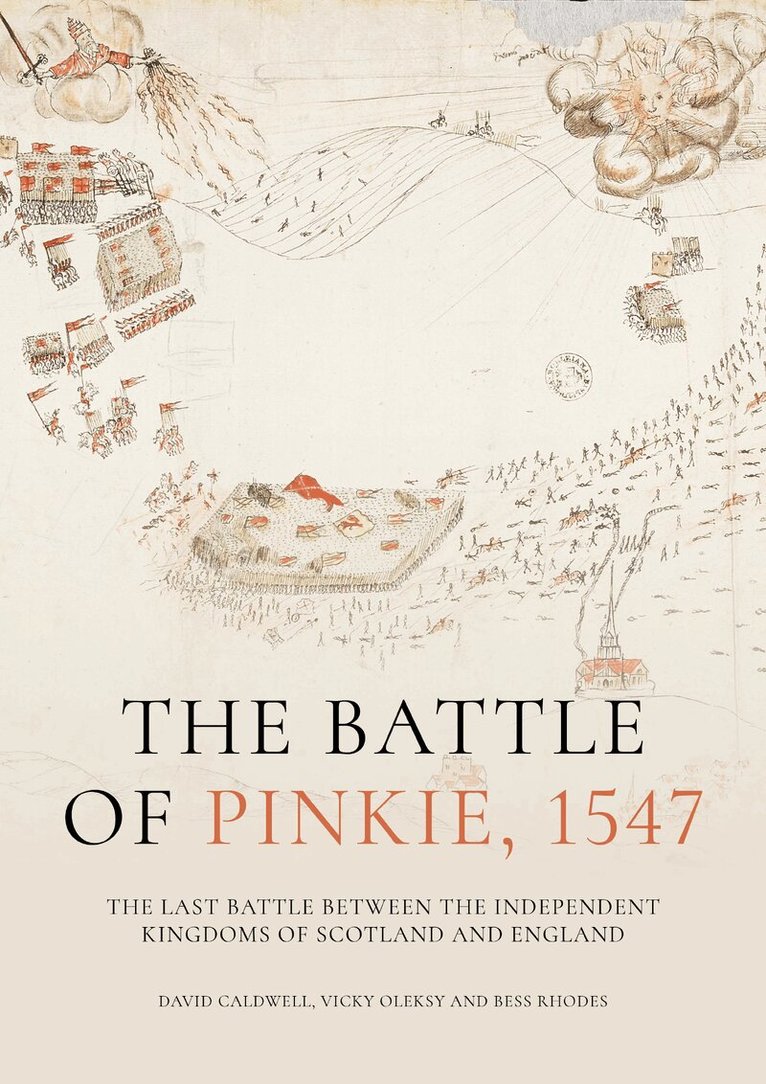
    Battle of Pinkie, 1547

    The Last Battle Between the Independent Kingdoms of Scotland and England

    AvDavid Caldwell,Vicky Oleksy

    Inbunden, Engelska, 2023

    491 kr

    Skickas . Fri frakt över 249 kr.

    Beskrivning

    The Battle of Pinkie, fought between the English and the Scots in 1547, was the last great clash between the two as independent nations. It is a well-documented battle with several eyewitness accounts and contemporary illustrations. There is also archaeological evidence of military activities. The manoeuvres of the two armies can be placed in the landscape near Edinburgh, despite considerable developments since the 16th century. Nevertheless, the battle and its significance has not been well understood.  From a military point of view there is much of interest. The commanders were experienced and had already had battlefield successes. There was an awareness on both sides of contemporary best practice and use of up-to-date weapons and equipment. The Scots and the English armies, however, were markedly different in their composition and in the strategy and tactics they employed. There is the added ingredient that the fire from English ships, positioned just off the coast, helped decide the course of events.  Using contemporary records and archaeological evidence, David Caldwell, Victoria Oleksy, and Bess Rhodes reconsider the events of September 1547. They explore the location of the fighting, the varied forces involved, the aims of the commanders, and the close-run nature of the battle. Pinkie resulted in a resounding victory for the English, but that was by no means an inevitable outcome. After Pinkie it briefly seemed as if the future of Britain had been redefined. The reality proved rather different, and the battle has largely slipped from popular consciousness. This book provides a reminder of the uncertainty and high stakes both Scots and English faced in the autumn of 1547.

    Produktinformation

    • Utgivningsdatum:2023-06-15
    • Mått:171 x 241 x 23 mm
    • Vikt:884 g
    • Format:Inbunden
    • Språk:Engelska
    • Antal sidor:288
    • Förlag:Oxbow Books
    • ISBN:9781789259735

    Utforska kategorier

    • Arkeologiska perioder och områden inom Historia och arkeologi
    • Europas historia inom Historia och arkeologi
    • Slag och fälttåg inom Samhälle och politik

    Mer om författaren

    David Caldwell worked for the National Museum of Scotland until his retirement in 2012, latterly as keeper of two of its curatorial departments. He has an academic background in both history and archaeology, and much of his research interest has focused on weapons and warfare. Victoria Oleksy is Associate Director and Head of Consultancy at AOC Archaeology Group. She has an MA (Distinction) in Historical Archaeology from the University of Bristol. She has worked in the Heritage Sector for 17 years and has been involved in research surrounding the Battle of Pinkie since 2007. Bess Rhodes has held teaching and research fellowships at the University of St Andrews. She specialises in late medieval and early modern Scottish history, and is the author of Riches and Reform: Ecclesiastical Wealth in St Andrews, c. 1520–1580 (2019).

    Innehållsförteckning

    • List of Figures and TablesAcknowledgementsCopyright and Abbreviations1 IntroductionSlaughter near MusselburghModern understandings of PinkiePurpose of this book2 Causes of conflict in 1547Warning of warDynastic ambitionsReligious conflictAttack on LangholmObjectives in September 15473 The English forcesThe commandersCavalryInfantryArtilleryNaval forcesLogistics and supply4 Scotland’s military capabilityThe hostWappenshawsThe mobilisationThe Scottish commandersThe structure of the armyScottish battlefield successes5 Early sources for the battle – a reviewOfficial documentationDiplomatic reportsEnglish descriptions of the battleScottish descriptions of the battle6 Pinkie Battlefield – Topography and ArchaeologyWhat’s in a name?Topographical overviewLordships and landsSettlementsCommunicationsLand useOn manoeuvres, September 1547The Archaeology of the Battle of Pinkie7 A New interpretation of the battleThe English advance into ScotlandScottish preparationsThursday 8 and Friday 9 SeptemberSaturday 10 September8 Pinkie First and LastAfter Pinkie – the English policyAfter Pinkie – the Scottish responsePinkie and military change in Early Modern BritainPinkie – future directionsBibliographyIndex