• Fri frakt över 249 kr
  • •
  • Snabba leveranser
  • •
  • Billiga böcker
Kundservice

Du är på sajten för privatpersoner.

Företag, bibliotek eller offentlig verksamhet?

Du handlar på classic.bokus.com, där alla dina funktioner finns intakta.
Till classic.bokus.com
Bokus logotyp. Gå till startsidan.
  • Erbjudanden
  • Nyheter
  • Student
  • Topplistor
  • Barn & ungdom
  • Bokus Play
  • E-böcker
  • Pocketböcker
  • Spel & pussel

10% rabatt på allt med kod: NYSTART10 →

Sidfot

Mina sidor

    Hjälp

    • Kundservice
    • Vanliga frågor och svar
    • Frakt och leverans
    • Retur vid ångerrätt
    • Reklamera vara
    • Betalning
    • Köpvillkor
    • Allmänna villkor
    • Information om webbplatsens tillgänglighet

    Om Bokus

    • Om oss
    • Pressrum
    • För studenter
    • För företag
    • För bibliotek och offentlig verksamhet
    • För leverantörer
    • Hållbarhet

    Populärt

    • Aktuella erbjudanden
    • Presentkort
    • Studentlitteratur
    • Nya böcker
    • Topplistor
    • Signerade böcker
    • Engelska böcker

    Inspiration

    • Boktips
    • BookTok
    • Populära bokserier
    • Barnbokskaraktärer
    • Populära författare
    Logotyp för Bokus
    Följ oss på Facebook (extern länk)Följ oss på Instagram (extern länk)Följ oss på YouTube (extern länk)Följ oss på TikTok (extern länk)
    bokus @ CookiesAnpassa cookiesIntegritetspolicyKöpvillkor
    Till Citymail hemsida (extern länk)Till Budbee hemsida (extern länk)Till Postnord hemsida (extern länk)Till Schenker hemsida (extern länk)Till Early Bird hemsida (extern länk)Till Walleys hemsida (extern länk)
    1. Samhälle och politik
    2. Samhälle och kultur
    3. Kultur och medier
    4. Referensverk och tvärvetenskap

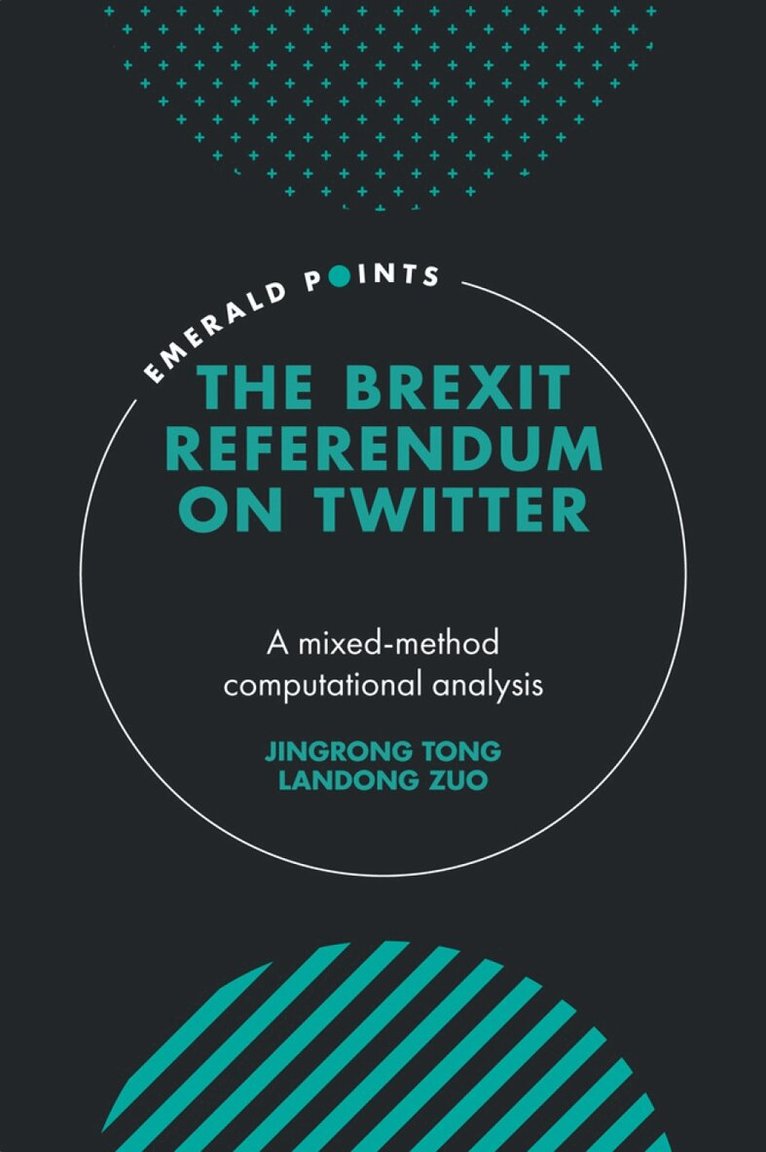
    Brexit Referendum on Twitter

    A mixed-method, computational analysis

    AvJingrong Tong,Landong Zuo

    Inbunden, Engelska, 2021

    Del i serien Emerald Points

    664 kr

    Beställningsvara. Skickas inom 5-8 vardagar. Fri frakt över 249 kr.

    Beskrivning

    This book explores Twitter communication about the 2016 Brexit referendum in the UK in the run-up to the event. The mixed-method, computational analysis of over twelve million tweets reveals how Twitter worked in shaping political discourse and its potential for fuelling populism in the month leading to the referendum. Our findings show while polarised public opinion was explicitly expressed, populist sentiments were mainstreamed into the debate about the referendum and widely spread on Twitter. Populist politicians, supported by pro-Brexit users, tactically used Twitter to promulgate their populist ideas. In contrast, despite their active use of Twitter, the Remain camp appeared to have misunderstood the mechanisms of Twitter for shaping political discourse. Twitter communication, in this case, showed dangerous potential for reflecting and reinforcing existing social tensions and divisions, being influenced or even manipulated by individuals and interest groups to serve their own interests. It is important to be well aware of this capacity of Twitter for the wellbeing of democracy, especially in the politically turbulent times since 2016 when the UK voted to leave the EU.

    Produktinformation

    • Utgivningsdatum:2021-02-15
    • Mått:152 x 229 x 10 mm
    • Vikt:287 g
    • Format:Inbunden
    • Språk:Engelska
    • Serie:Emerald Points
    • Antal sidor:112
    • Förlag:Emerald Publishing Limited
    • ISBN:9781800432956

    Utforska kategorier

    • Referensverk och tvärvetenskap inom Samhälle och politik
    • Politisk aktivism inom Samhälle och politik
    • Digital livsstil och datorspel inom Data och IT

    Mer om författaren

    Jingrong Tong is Senior Lecturer in Digital News Cultures at the University of Sheffield.Landong Zuo is an IT Consultant, and Data Scientist specialized in data mining, data analysis and Nature Language Processing.

    Innehållsförteckning

    • Chapter 1. IntroductionChapter 2. Social Representations of The EU Referendum on TwitterChapter 3. Legitimising Political Controversy and PopulismChapter 4. The Construction of “hero” versus “villain” in Twitter Users’ Responses to @David_Cameron and @Nigel_FarageChapter 5. Shaping Political Discourse: is Twitter Good for Democracy?