Inbunden, Engelska, 2026
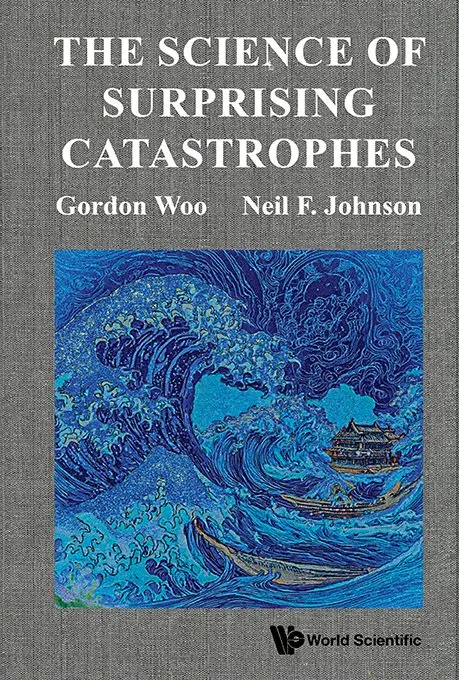
SCIENCE OF SURPRISING CATASTROPHES
1450 kr
Beställningsvara. Skickas inom 5-8 vardagar. Fri frakt över 249 kr.
Beskrivning
Surprise is a basic human response. This unique book on the science of surprising catastrophes, written to advance public understanding, is interdisciplinary, combining psychological sciences with physical sciences. Drawing on the pioneering neuroscientific research on the linkage between imagination and memory, most notable in the 2009 PhD dissertation of Nobel Laureate, Sir Demis Hassabis, we now appreciate how important memory of the past is for imagination of the future. Most catastrophes have happened before, or almost happened before, or might have done.Surprise can be mitigated by exploring the realm of possible catastrophic outcomes using a term drawn from cognitive psychology: the downward counterfactual. This term, which should be introduced in any risk 101 course, is an alternative realization of the past, where things turned for the worse. This concept is universal in its applicability, rather like the proverbial Black Swan, which may often be discovered through exploring downward counterfactuals of historical events. This book spans a broad vista of surprising catastrophes, covering earthquakes, tsunamis, volcanic eruptions and landslides, global pandemics, financial market collapses, terrorism, cyberattacks, solar storms, adverse impacts of artificial intelligence, and species extinctions. Especially relevant in 2026, the book also covers conflicts and geopolitical ruptures.
Produktinformation
- Utgivningsdatum: 2026-09-16
- Mått: 157 x 235 x 29 mm
- Vikt: 918 g
- Format: Inbunden
- Språk: Engelska
- Antal sidor: 380
- Förlag: World Scientific Europe Ltd
- ISBN: 9781800619722
Utforska kategorier
Betyg & recensioner
0 recensioner
Inga recensioner tillgängliga.