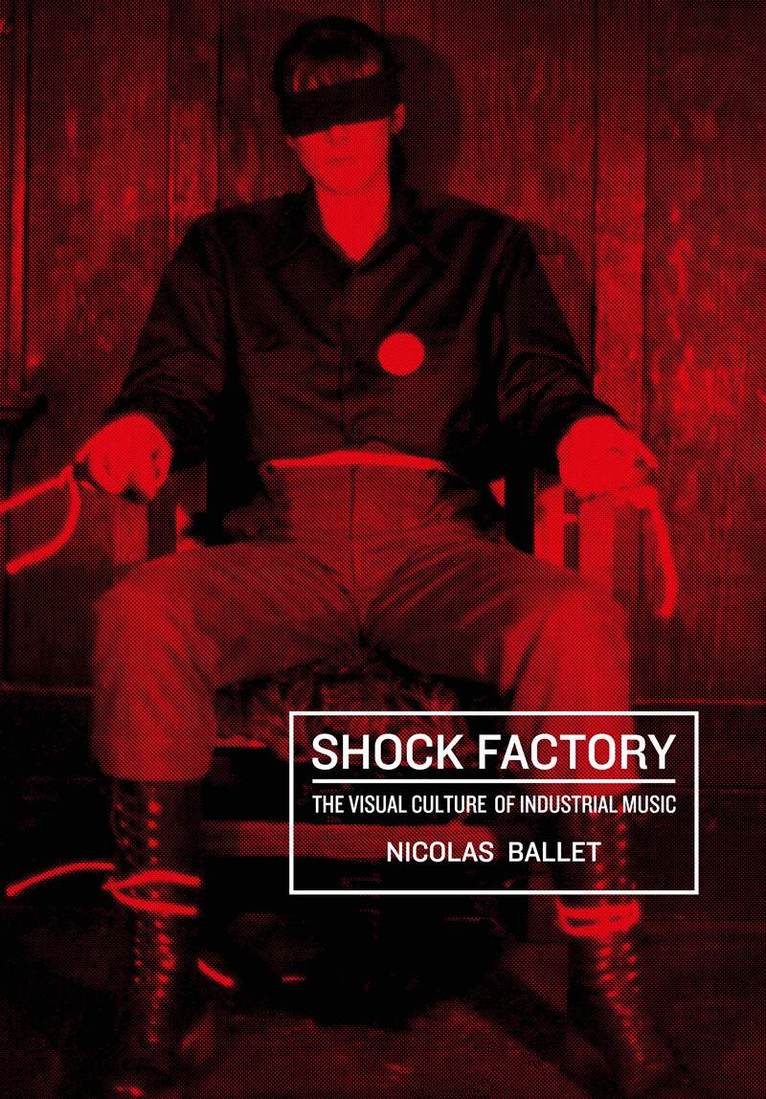
Häftad, Engelska, 2025
Shock Factory
811 kr
Beställningsvara. Skickas inom 5-8 vardagar. Fri frakt över 249 kr.
Beskrivning
Industrial music appeared in the mid-1970s, and far from being a simple sound experimentation phenomenon, it quickly spawned a coherent visual culture operating at the intersection of a multitude of media (collage, mail art, installation, film, performance, sound, video) and initiated a close inspection of the legacy of modernity and the growing, pervasive influence of technology. Originally British, the movement soon outgrew Europe, extending into the United States and Japan during the 1980s. The sound experiments conducted by industrial bands – designing synthesizers, manipulating and transforming recorded sounds from audio tapes, either recycled or laid down by the artists – were backed up by a rich array of radical visual productions, deriving their sources from the modernist utopias of the first part of the twentieth century. Such saturated sounds were translated into abrasive images, manipulated through the détournement of reprographic techniques (Xerox art), that investigated polemical themes: mind control, criminality, occultism, pornography, psychiatry and totalitarianism, among others. This book introduces the visual and aesthetic elements of 1970s and 1980s industrial culture to a general history of contemporary art by analysing the different approaches taken and topics addressed by the primary protagonists of the movement, who perceptively anticipated the current discourse concerning the media and their collective coercive power.
Produktinformation
- Utgivningsdatum: 2025-06-13
- Mått: 227 x 38 x 175 mm
- Vikt: 1 290 g
- Format: Häftad
- Språk: Engelska
- Serie: Global Punk
- Antal sidor: 588
- Förlag: Intellect
- ISBN: 9781835950784
Utforska kategorier
Betyg & recensioner
0 recensioner
Inga recensioner tillgängliga.