Inbunden, Engelska, 2024
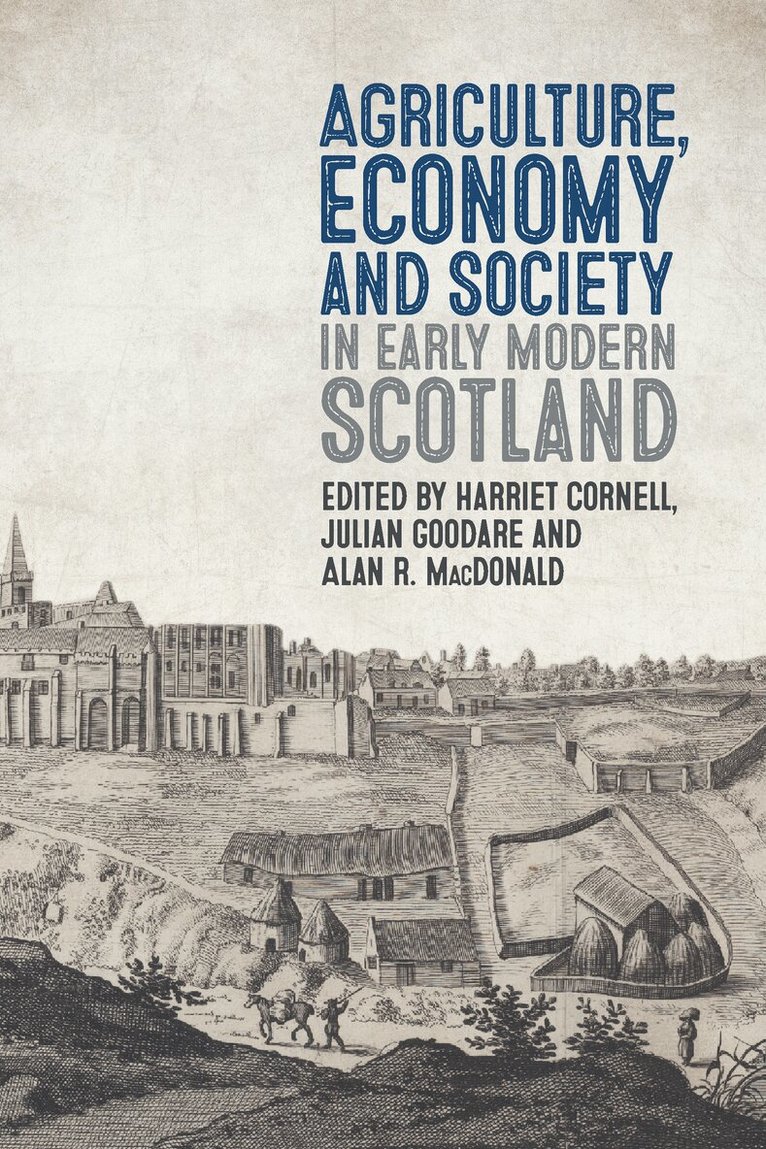
Agriculture, Economy and Society in Early Modern Scotland
Av Harriet Cornell, Julian Goodare, Alan R. MacDonald
Del 4 i serien Boydell Studies in Rural History
1333 kr
Beställningsvara. Skickas inom 7-10 vardagar. Fri frakt över 249 kr.
Beskrivning
Produktinformation
- Utgivningsdatum: 2024-04-23
- Mått: 156 x 234 x 23 mm
- Vikt: 539 g
- Format: Inbunden
- Språk: Engelska
- Serie: Boydell Studies in Rural History
- Antal sidor: 308
- Förlag: Boydell & Brewer Ltd
- ISBN: 9781837650484
Utforska kategorier
Mer om författaren
HARRIET CORNELL is Peace and Conflict Resolution Evidence Platform (PeaceRep) Programme Manager, Edinburgh Law School, University of Edinburgh. JULIAN GOODARE is Emeritus Professor of History, University of Edinburgh. His books include The European Witch-Hunt (London, 2016), and he has edited three books about witchcraft in Scotland. He is Director of the online Survey of Scottish Witchcraft. ALAN R. MacDONALD is Senior Lecturer in History, University of Dundee.
Recensioner i media
This volume illustrates how broad-ranging this research tradition has become in the last thirtyyears, extending well beyond the study of commercialization and the reorganization of fertile land, to encompass histories of identity, landscape, popular experience, and state capacity. Despite this breadth of ambition, the volume retains and sustains a coherent, though varied, account of a set of communities that underwent significant changes from the late medieval period onward, but for which the rate and scale of transformation accelerated after 1750.
Betyg & recensioner
0 recensioner
Inga recensioner tillgängliga.