• Fri frakt över 249 kr
  • •
  • Snabba leveranser
  • •
  • Billiga böcker
Kundservice

Du är på sajten för privatpersoner.

Företag, bibliotek eller offentlig verksamhet?

Du handlar på classic.bokus.com, där alla dina funktioner finns intakta.
Till classic.bokus.com
Bokus logotyp. Gå till startsidan.
  • Erbjudanden
  • Nyheter
  • Student
  • Topplistor
  • Barn & ungdom
  • Bokus Play
  • E-böcker
  • Pocketböcker
  • Spel & pussel

10% studentrabatt med kod TERM26

Sidfot

Mina sidor

    Hjälp

    • Kundservice
    • Vanliga frågor och svar
    • Frakt och leverans
    • Retur vid ångerrätt
    • Reklamera vara
    • Betalning
    • Köpvillkor
    • Allmänna villkor
    • Information om webbplatsens tillgänglighet

    Om Bokus

    • Om oss
    • Pressrum
    • För studenter
    • För företag
    • För bibliotek och offentlig verksamhet
    • För leverantörer
    • Hållbarhet

    Populärt

    • Aktuella erbjudanden
    • Presentkort
    • Studentlitteratur
    • Nya böcker
    • Topplistor
    • Signerade böcker
    • Engelska böcker

    Inspiration

    • Boktips
    • BookTok
    • Populära bokserier
    • Barnbokskaraktärer
    • Populära författare
    Logotyp för Bokus
    Följ oss på Facebook (extern länk)Följ oss på Instagram (extern länk)Följ oss på YouTube (extern länk)Följ oss på TikTok (extern länk)
    bokus @ CookiesAnpassa cookiesIntegritetspolicyKöpvillkor
    Till Citymail hemsida (extern länk)Till Budbee hemsida (extern länk)Till Postnord hemsida (extern länk)Till Schenker hemsida (extern länk)Till Early Bird hemsida (extern länk)Till Walleys hemsida (extern länk)
    1. Historia och arkeologi
    2. Historia
    3. Europas historia

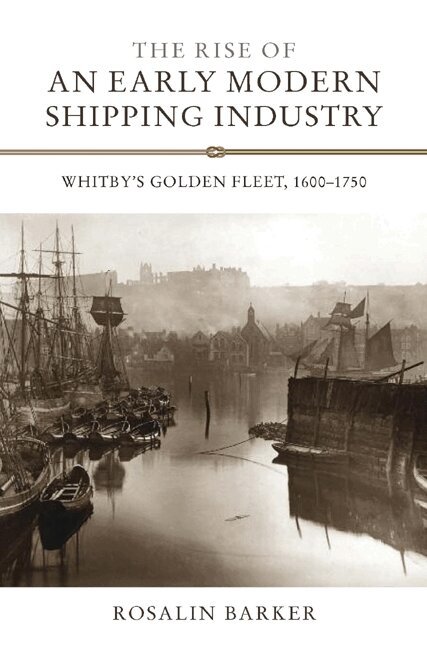
    Rise of an Early Modern Shipping Industry

    Whitby's Golden Fleet, 1600-1750

    AvRosalin Barker

    Inbunden, Engelska, 2011

    Del 14 i serien Regions and Regionalism in History

    1 113 kr

    Beställningsvara. Skickas inom 5-8 vardagar. Fri frakt över 249 kr.

    Beskrivning

    Provides a huge amount of detail about everyday maritime life in the important port of Whitby, home port of Captain Cook.The ancient but isolated town of Whitby has made a huge contribution to the maritime history of Britain: Captain Cook learned sailing and navigation here; during the eighteenth century the town was a provider of an exceptionally large number of transport ships in wartime; and in the nineteenth century Whitby became a major whaling port. This book examines how it came to be such an important shipping centre. Drawing on extensive maritime records, the author shows that it was commercial entrepreneurship which brought about the growth of Whitby's shipping industry, first in the export of local alum and carrying coal to London, then in northern European trades, alongside its very successful ship-building industry. The book includes details from the financial accounts of voyages. These provide a fascinating insight into seafaring in the period with details of the hierarchical structure of crews,and of shipboard apprentices learning the trade. Overall, a very full picture emerges of every aspect of the shipping industry of this key port. ROSALIN BARKER is an Honorary Fellow in the History Department at the University of Hull, and was formerly a tutor in adult education at the universities of Cambridge, Leeds and Hull and the Open University.

    Produktinformation

    • Utgivningsdatum:2011-05-19
    • Mått:156 x 234 x 20 mm
    • Vikt:530 g
    • Format:Inbunden
    • Språk:Engelska
    • Serie:Regions and Regionalism in History
    • Antal sidor:212
    • Förlag:Boydell & Brewer Ltd
    • ISBN:9781843836315

    Utforska kategorier

    • Europas historia inom Historia och arkeologi
    • Sjöfartshistoria inom Historia och arkeologi
    • Transportindustri inom Ekonomi och Ledarskap

    Recensioner i media

    A first-rate socio-economic history of an important and fascinating port.

    Innehållsförteckning

    • Introduction: A Small Port in YorkshireFoundationsThe Early Seventeenth CenturyUpheavalStabilisation and ConfidenceOverview of the Seventeenth CenturyThe Established Port'They That go Down to the Sea in Ships'Conclusion