• Fri frakt över 249 kr
  • •
  • Snabba leveranser
  • •
  • Billiga böcker
Kundservice

Du är på sajten för privatpersoner.

Företag, bibliotek eller offentlig verksamhet?

Du handlar på classic.bokus.com, där alla dina funktioner finns intakta.
Till classic.bokus.com
Bokus logotyp. Gå till startsidan.
  • Erbjudanden
  • Nyheter
  • Student
  • Topplistor
  • Barn & ungdom
  • Bokus Play
  • E-böcker
  • Pocketböcker
  • Spel & pussel

10% rabatt på allt med kod: NYSTART10 →

Sidfot

Mina sidor

    Hjälp

    • Kundservice
    • Vanliga frågor och svar
    • Frakt och leverans
    • Retur vid ångerrätt
    • Reklamera vara
    • Betalning
    • Köpvillkor
    • Allmänna villkor
    • Information om webbplatsens tillgänglighet

    Om Bokus

    • Om oss
    • Pressrum
    • För studenter
    • För företag
    • För bibliotek och offentlig verksamhet
    • För leverantörer
    • Hållbarhet

    Populärt

    • Aktuella erbjudanden
    • Presentkort
    • Studentlitteratur
    • Nya böcker
    • Topplistor
    • Signerade böcker
    • Engelska böcker

    Inspiration

    • Boktips
    • BookTok
    • Populära bokserier
    • Barnbokskaraktärer
    • Populära författare
    Logotyp för Bokus
    Följ oss på Facebook (extern länk)Följ oss på Instagram (extern länk)Följ oss på YouTube (extern länk)Följ oss på TikTok (extern länk)
    bokus @ CookiesAnpassa cookiesIntegritetspolicyKöpvillkor
    Till Citymail hemsida (extern länk)Till Budbee hemsida (extern länk)Till Postnord hemsida (extern länk)Till Schenker hemsida (extern länk)Till Early Bird hemsida (extern länk)Till Walleys hemsida (extern länk)
    1. Kultur
    2. Scenkonst och film
    3. Film

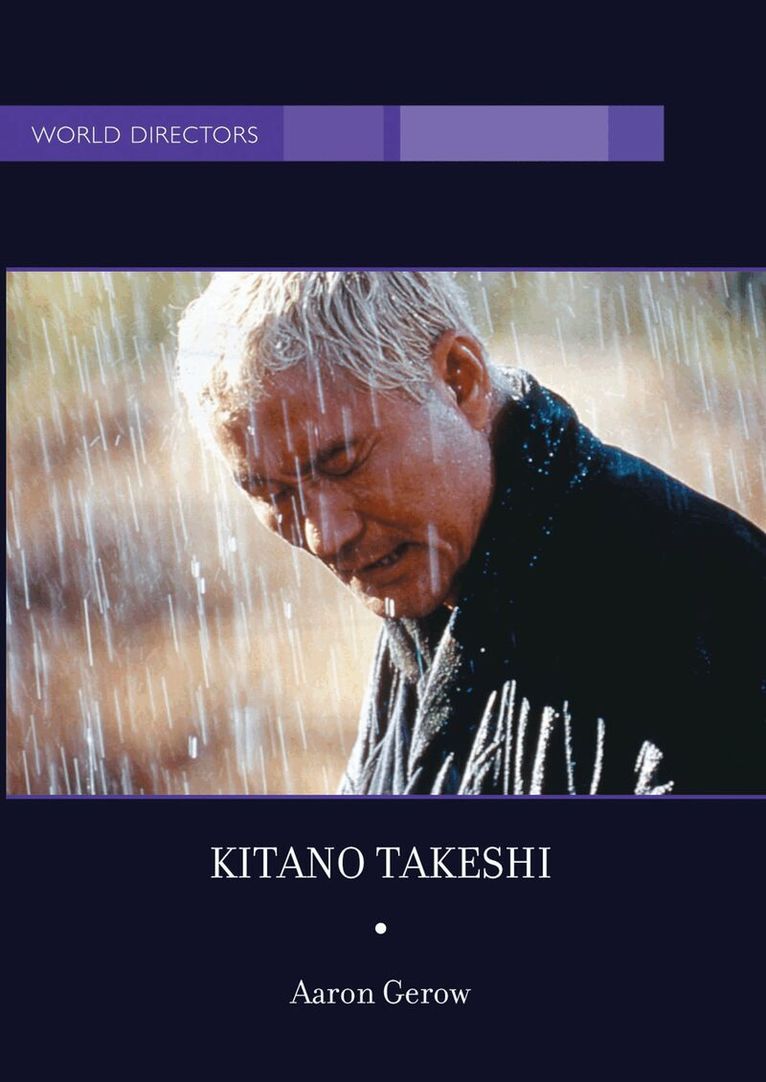
    Kitano Takeshi

    AvAaron Gerow

    Inbunden, Engelska, 2007

    Del i serien World Directors

    1 480 kr

    Beställningsvara. Skickas inom 10-15 vardagar. Fri frakt över 249 kr.

    Fler format och utgåvor

    E-bok

    1 602 kr

    E-bok

    1 602 kr

    Beskrivning

    Combining a detailed account of the situation in Japanese film and criticism with unique close analyses of Kitano's films from Violent Cop to Takeshis, the author relates the director to issues of contemporary cinema, Japanese national identity, and globalism.

    Produktinformation

    • Utgivningsdatum:2007-08-01
    • Mått:135 x 190 x 19 mm
    • Vikt:404 g
    • Format:Inbunden
    • Språk:Engelska
    • Serie:World Directors
    • Antal sidor:272
    • Förlag:Bloomsbury Publishing PLC
    • ISBN:9781844571659

    Utforska kategorier

    • Film inom Kultur

    Mer om författaren

    AARON GEROW

    Recensioner i media

    The long-awaited publication of Kitano Takeshi, the first book-length study of the director's complete work, goes quite a ways to answering the question at the head of this review. Aaron Gerow - another man of incontestable credentials thanks to his stints teaching Japanese cinema at the University of Yokohama, Yale and his lengthy tenure as a film critic for the Daily Yomiuri - presents Kitano as an almost schizophrenic personality, made of two distinct personas: the director Takeshi Kitano and the comedian Beat Takeshi. Two personalities that are usually at odds, sometimes at war and occasionally in harmony. Both straight man and buffoon, Kitano forms a one-man manzai act. Gerow posits this duality as the key to analyzing and understanding Kitano's films. The opening chapter, entitled Introducing Two Takeshis, sets the stage, departing from a variety of opinions and attempts by other critics to pierce the mystery. In this chapter and throughout his book, the author makes ample reference to Japanese sources, which opens up a far wider reading of Kitano - one that includes the media personality Beat Takeshi of whom most westerners, including his fans and critics, still have only the slightest inkling, but which forms a crucial factor in understanding the man and his movies. At the same time, this use of Japanese sources also feels like an attempt to lay down new rules for the study of Japanese cinema by foreign critics and writers. A lack of knowledge of the language has meant that the biggest swath of existing discourses on Japanese film, namely that written by the Japanese themselves, is overlooked whenever Western critics talk about Japanese film. In that sense, Gerow's detailed study sets a new standard, particularly when it comes to monographs of contemporary Japanese directors. While it is certainly not true that Japanese critics have a monopoly on the 'truth' about their own filmmakers, incorporating their readings can only lead to more understanding and lower the risk of ethnocentric analysis and exoticism. Or just plain old missing the point. Gerow's study does an admirable job at dissecting the slippery beast known as Takeshi Kitano, and this volume deserves to be seen as a benchmark for any future studies of contemporary Japanese filmmakers. However, the author's consistent reliance on references to other sources in building up his discourse results in his own personality remaining almost as elusive of that of the subject he so deftly dissects.