• Fri frakt över 249 kr
  • •
  • Snabba leveranser
  • •
  • Billiga böcker
Kundservice

Du är på sajten för privatpersoner.

Företag, bibliotek eller offentlig verksamhet?

Du handlar på classic.bokus.com, där alla dina funktioner finns intakta.
Till classic.bokus.com
Bokus logotyp. Gå till startsidan.
  • Erbjudanden
  • Nyheter
  • Student
  • Topplistor
  • Barn & ungdom
  • Bokus Play
  • E-böcker
  • Pocketböcker
  • Spel & pussel

10% rabatt på allt med kod: NYSTART10 →

Sidfot

Mina sidor

    Hjälp

    • Kundservice
    • Vanliga frågor och svar
    • Frakt och leverans
    • Retur vid ångerrätt
    • Reklamera vara
    • Betalning
    • Köpvillkor
    • Allmänna villkor
    • Information om webbplatsens tillgänglighet

    Om Bokus

    • Om oss
    • Pressrum
    • För studenter
    • För företag
    • För bibliotek och offentlig verksamhet
    • För leverantörer
    • Hållbarhet

    Populärt

    • Aktuella erbjudanden
    • Presentkort
    • Studentlitteratur
    • Nya böcker
    • Topplistor
    • Signerade böcker
    • Engelska böcker

    Inspiration

    • Boktips
    • BookTok
    • Populära bokserier
    • Barnbokskaraktärer
    • Populära författare
    Logotyp för Bokus
    Följ oss på Facebook (extern länk)Följ oss på Instagram (extern länk)Följ oss på YouTube (extern länk)Följ oss på TikTok (extern länk)
    bokus @ CookiesAnpassa cookiesIntegritetspolicyKöpvillkor
    Till Citymail hemsida (extern länk)Till Budbee hemsida (extern länk)Till Postnord hemsida (extern länk)Till Schenker hemsida (extern länk)Till Early Bird hemsida (extern länk)Till Walleys hemsida (extern länk)
    1. Samhälle och politik
    2. Sociologi och antropologi
    3. Antropologi

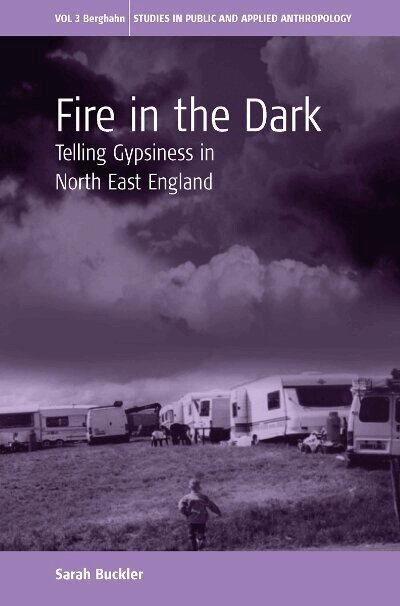
    Fire in the Dark

    Telling Gypsiness in North East England

    AvSarah (Sal) Buckler

    Inbunden, Engelska, 2007

    Del 3 i serien Studies in Public and Applied Anthropology

    1 861 kr

    Beställningsvara. Skickas inom 5-8 vardagar. Fri frakt över 249 kr.

    Fler format och utgåvor

    Häftad

    511 kr

    E-bok

    315 kr

    Beskrivning

    Anthropologists who are employed to change the worlds they are researching find themselves in a potentially contradictory position. Combining the various roles and expectations involved in working with Gypsies and local government at the same time as conducting anthropological research, provides the overall perspective of this study. It is an unusual and effective balance of insightful ethnography and anthropological theory with the perspective of someone employed to carry out applied work. An effective and creative use of metaphor structures the entire work and allows complex ideas to be conveyed in an accessible way. Drawing upon traditional anthropological approaches such as kinship and story telling and engaging with the works of major social theorists such as Weber, Bourdieu and Foucault as well as the work of contemporary anthropologists, this work demonstrates the use of anthropology in understanding changing situations and in deciding how best to manage such situations.

    Produktinformation

    • Utgivningsdatum:2007-05-01
    • Mått:152 x 229 x 18 mm
    • Vikt:454 g
    • Format:Inbunden
    • Språk:Engelska
    • Serie:Studies in Public and Applied Anthropology
    • Antal sidor:248
    • Förlag:Berghahn Books
    • ISBN:9781845452308

    Utforska kategorier

    • Antropologi inom Samhälle och politik
    • Etnicitet inom Samhälle och politik

    Mer om författaren

    Sarah (Sal) Buckler worked for many years in the arts and urban regeneration until an abiding interest in cross-cultural communication led her to study anthropology. She is currently employed in local government research and is Honorary Research Associate at Durham's Department of Anthropology.

    Recensioner i media

    CHOICE OUTSTANDING ACADEMIC BOOK OF THE YEAR 2011“Buckler's excellent command of the relevant ethnographic and theoretical literature is enlivened by a personal perspective and numerous excerpts from her field notes. An important, exemplary work of applied anthropology for social scientists interested in ethnicity and interethnic relations, and a must read for administrators dealing with multiethnic situations. It is among the very best of the many monographs now being produced on Romany communities in Britain. Essential.” • Choice“…anthropologists will come, increasingly, to locate themselves...outside the universities. And if this absorbing book is anything to go by, then we should look forward to the future with confidence.” • JRAI“…an important and original contribution to the social anthropology of Gypsies/Romanies as a growing field of ethnographic research.” • Anthropological Notebooks

    Innehållsförteckning

    • List of IllustrationsAcknowledgementsIntroductionBook StructureApplying AnthropologyPART I: THE WASTELANDChapter 1. Defining the Field: People and Practice in an Indeterminate PlaceBoundaries and Meeting PlacesBoundaries and Gypsy IdentitySchematic UnderstandingsFraming InteractionsBecoming a Person – EmbodiednessSpeaking and the Embodiment of LanguageSummationChapter 2. Reaching an Understanding – Methods and AnalysisBoundaries and the Research ProcessPeople, Culture and OrganizationsEthnography at HomeThe Search for the Subject MatterSelf and Other – More Assumed BoundariesEngagement in the FieldGenealogies and Kinship ChartsTales of Everyday Life and Conflicting Moral FramesThe Significance of Stories The Ethics of RepresentationChapter 3. The Past and Present Making of Teesside: Building a Place in the World, Finding a Place Amongst PeopleArriving Gypsies on TeessideThe SitesA Question of CulturePutting Gypsies in Their PlacePART II: THE FIREChapter 4. Stories and Teaching GypsinessAn IntroductionThe Intersubjective Process of SocialisationAnother IntroductionLearning to Speak – Social Aesthetics and the Context of SocialisationSocial Aesthetics and Socialisation – the Role of StoriesStories and Teaching Gypsy ChildrenTelling Stories and Enacting StoriesThe Real World of Stories vs. the Fictional World of BooksStories – Real Life or Fiction?Stories and Teaching Morality‘Fictional’ vs. ‘Real-Life’ MoralitiesSummaryChapter 5. Stories and the Telling of FamilyParenting and TeachingHow to BeFamily as a Collection of StoriesA Sense of One’s BeginningsRepeated Story ThemesWhat’s in a Name?Chapter 6. Home is Where the Heart IsHoming InTelling Family TogetherIndividual and Family – the Interplay of ‘I’ and ‘We’A Variety of Possible StoriesWhere in the World?ConclusionChapter 7. The Negotiation of Moral AmbivalenceWhat’s In and What’s Out – or Who Belongs and Who Doesn’t?Making a Place in the World – Rhetoric and MeaningRhetoric, Symbols and Values – Introducing the Inchoate FamiliesReal and Imagined – the Idea of a Moral CommunityRhetoric and the Creation of Social SpacePart II: SummaryPART III: THE DARKPart III: IntroductionChapter 8. The Mediated Moral ImaginationThe Character of the GypsyAn Unfolding StoryThe Story ContinuesTelling the Story‘Our’ Way – the Various Faces of ‘We’ and ‘They’DiscussionChapter 9. A Meeting of Minds?Introducing the CharactersConflicts and Contradictions – the Meeting’s Internal ProcessesBalancing Individuals and Institutions – How Groups are Made and RemadeAdopting Roles, Assuming Responsibilities and Assessing BehaviourMaking a Metaphorical WastelandDiscussionChapter 10. Managing Multiple PerspectivesFinding a Point of View – Placing People in a Cultural LandscapeEnacting and Re-enacting StorylinesShifting Perspectives and Enacting SituationsConclusionsConclusionsAppendix 1. Kinship ChartsAppendix 2. Newspaper CuttingsBibliography