Häftad, Engelska, 2001
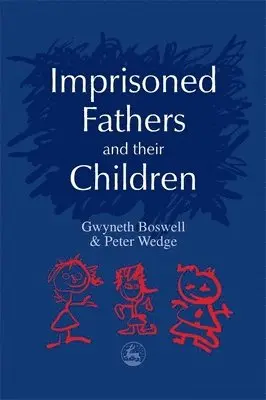
Imprisoned Fathers and their Children
Av Peter Wedge, Gwyneth Boswell
Del i serien Supporting Parents
579 kr
Beställningsvara. Skickas inom 10-15 vardagar. Fri frakt över 249 kr.
Beskrivning
Produktinformation
- Utgivningsdatum: 2001-10-15
- Mått: 154 x 232 x 12 mm
- Vikt: 300 g
- Format: Häftad
- Språk: Engelska
- Serie: Supporting Parents
- Antal sidor: 176
- Förlag: Jessica Kingsley Publishers
- ISBN: 9781853029721
Utforska kategorier
Mer om författaren
Gwyneth Boswell is Principal Lecturer in the Community and Criminal Justice Studies Unit at De Montfort University, Leicester and Honorary Senior Lecturer in the School of Health at the University of East Anglia. She was previously Senior Lecturer in Probation Studies at UEA and Senior Probation Officer in Merseyside. Peter Wedge0 is Emeritus Professor in the School of Health at the University of East Anglia and Visiting Professor in the Department of Social and Community Studies at De Montfort University. He was previously Dean of the School of Economic and Social Studies and founding Dean of the School of Health and Social Work at UEA.
Recensioner i media
This is a very good book. The balance between punishing of lawbreakers and maintaining family ties is a delicate one. Clearly on the evidence presented here there needs to be a perceptible shift in the favour of the child. The work reported here is important not least because it highlights areas of neglect and ignorance that should receive attention if we are serious about rehabilitation following punishment and of well supported families as a resource in that progress.
Betyg & recensioner
0 recensioner
Inga recensioner tillgängliga.