Beställningsvara. Skickas inom 5-8 vardagar. Fri frakt över 249 kr.
Beskrivning
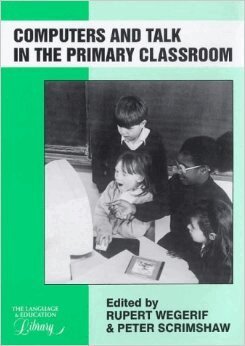
This text looks at how computers are being used in primary classrooms and how they could be used better. Its three sections focus upon: how do we investigate learning through talk around computers? What affects the quality of group work around computers? What can teachers do to improve this?
AcknowledgementsContributorsA Note on Transcriptions1. Rupert Wegerif and Peter Scrimshaw: Introduction: Computers, Talk and Learning Section 1: Talk Matters2. Neil Mercer and Eunice Fisher: The Importance of Talk3. Eunice Fisher: Educationally Important Types of Children's Talk4. Eunice Fisher: Developments in Exploratory Talk and Academic Argument5. Rupert Wegerif and Neil Mercer: A Dialogical Framework for Researching Peer TalkSection 2: Computers and Children's Talk6. Terry Phillips and Peter Scrimshaw: Talk Round Adventure Games7. Eunice Fisher: Children's Talk and Computer Software8. Rupert Wegerif: Children's Talk and Computer Software: A Response to Fisher9. Peter Scrimshaw and Gary Perkins: Tinker Town: Working Together10. Joan Swann: Tinker Town: Reading and Re-reading Children's Talk Round the Computer11. Madeline Watson: The Gender Issue: Is What You See What You Get?12. Janet Collins and Alison Syred-Paul: Children as Researchers Using CD-ROM Encyclopaedias13. Rupert Wegerif: Factors Affecting the Quality of Children's Talk at ComputersSection 3: Teachers Make a Difference14. Lyn Dawes: Teaching Talking15. Neil Mercer and Eunice Fisher: Scaffolding Through Talk16. Madeline Watson: Improving Group Work at Computers17. Rupert Wegerif and Lyn Dawes: Computers, Talk and Learning: An Intervention Study