• Fri frakt över 249 kr
  • •
  • Snabba leveranser
  • •
  • Billiga böcker
Kundservice

Du är på sajten för privatpersoner.

Företag, bibliotek eller offentlig verksamhet?

Du handlar på classic.bokus.com, där alla dina funktioner finns intakta.
Till classic.bokus.com
Bokus logotyp. Gå till startsidan.
  • Erbjudanden
  • Student
  • Topplistor
  • Barn & ungdom
  • Bokus Play
  • E-böcker
  • Ljudböcker
  • Pocketböcker
  • Spel och pussel

Skapa nya rutiner – hälsoböcker upp till 50% →

Sidfot

Mina sidor

    Hjälp

    • Kundservice
    • Vanliga frågor och svar
    • Frakt och leverans
    • Retur vid ångerrätt
    • Reklamera vara
    • Betalning
    • Köpvillkor
    • Allmänna villkor
    • Information om webbplatsens tillgänglighet

    Om Bokus

    • Om oss
    • Pressrum
    • För studenter
    • För företag
    • För bibliotek och offentlig verksamhet
    • För leverantörer
    • Hållbarhet

    Populärt

    • Aktuella erbjudanden
    • Presentkort
    • Studentlitteratur
    • Nya böcker
    • Topplistor
    • Signerade böcker
    • Engelska böcker

    Inspiration

    • Boktips
    • BookTok
    • Barnbokskaraktärer
    • Populära författare
    Logotyp för Bokus
    Följ oss på Facebook (extern länk)Följ oss på Instagram (extern länk)Följ oss på YouTube (extern länk)Följ oss på TikTok (extern länk)
    bokus @ CookiesAnpassa cookiesIntegritetspolicyKöpvillkor
    Till Citymail hemsida (extern länk)Till Budbee hemsida (extern länk)Till Postnord hemsida (extern länk)Till Schenker hemsida (extern länk)Till Early Bird hemsida (extern länk)Till Walleys hemsida (extern länk)
    1. Psykologi och pedagogik
    2. Pedagogik
    3. Skolväsen och utbildningssystem

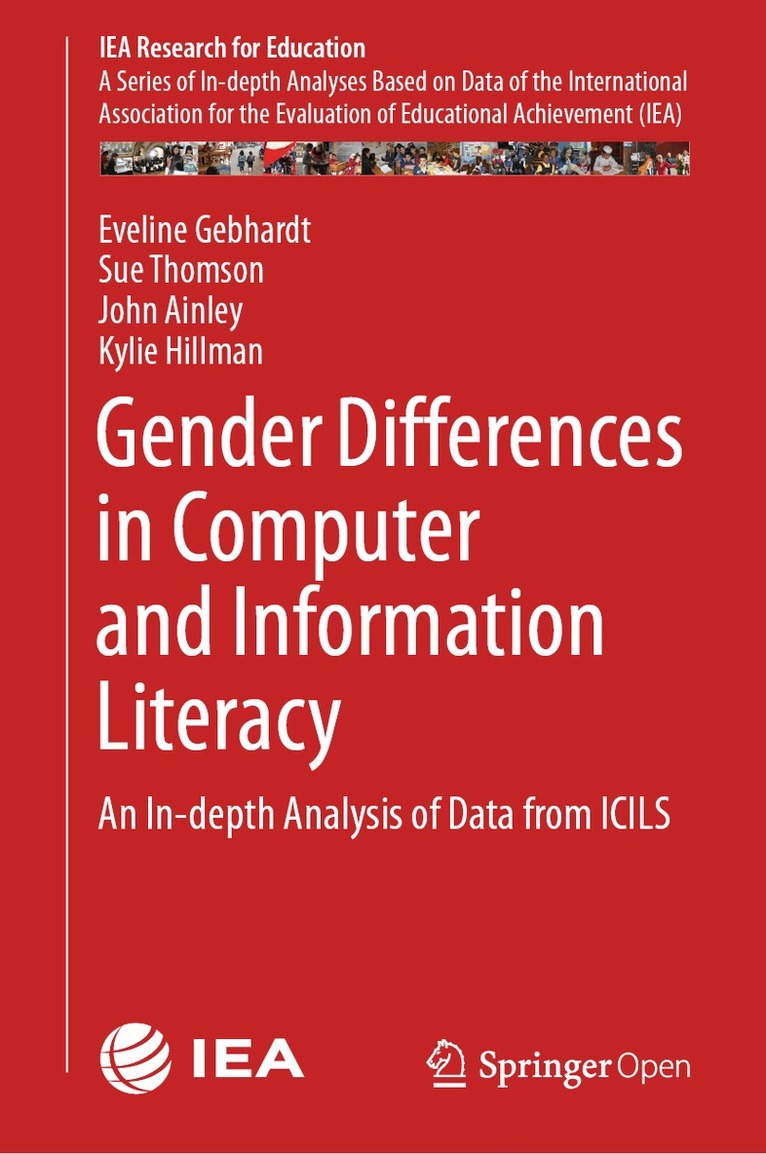
    Gender Differences in Computer and Information Literacy

    An In-depth Analysis of Data from ICILS

    AvEveline Gebhardt,Sue Thomson

    Inbunden, Engelska, 2019

    Del 8 i serien IEA Research for Education

    527 kr

    Beställningsvara. Skickas inom 10-15 vardagar. Fri frakt över 249 kr.

    Fler format och utgåvor

    Häftad

    527 kr

    Beskrivning

    This open access book presents a systematic investigation into internationally comparable data gathered in ICILS 2013. It identifies differences in female and male students’ use of, perceptions about, and proficiency in using computer technologies. Teachers’ use of computers, and their perceptions regarding the benefits of computer use in education, are also analyzed by gender.When computer technology was first introduced in schools, there was a prevailing belief that information and communication technologies were ‘boys’ toys’; boys were assumed to have more positive attitudes toward using computer technologies. As computer technologies have become more established throughout societies, gender gaps in students’ computer and information literacy appear to be closing, although studies into gender differences remain sparse.The IEA’s International Computer and Information Literacy Study (ICILS) is designed to discover how well students are prepared for study, work, and life in the digital age. Despite popular beliefs, a critical finding of ICILS 2013 was that internationally girls tended to score more highly than boys, so why are girls still not entering technology-based careers to the same extent as boys?Readers will learn how male and female studentsdiffer in their computer literacy (both general and specialized) and use of computer technology, and how the perceptions held about those technologies vary by gender.

    Produktinformation

    • Utgivningsdatum:2019-10-11
    • Mått:155 x 235 x 11 mm
    • Vikt:307 g
    • Format:Inbunden
    • Språk:Engelska
    • Serie:IEA Research for Education
    • Antal sidor:73
    • Förlag:Springer Nature Switzerland AG
    • ISBN:9783030262020

    Utforska kategorier

    • Skolväsen och utbildningssystem inom Psykologi och pedagogik
    • Examination och betygsättning inom Psykologi och pedagogik
    • Material och digital teknik i undervisningen inom Psykologi och pedagogik

    Innehållsförteckning

    • 1. Introduction to Gender Differences in Computer and Information Literacy.- 2. Data and Methods Used for ICILS 2013.- 3. Student Achievement and Beliefs Related to Computer Information Literacy.- 4. Students’ Interest and Enjoyment In, and Patterns of Use of ICT.- 5. Teacher Gender and ICT.- 6. What have we learned about gender differences in ICT?.- References.