Häftad, Engelska, 2021
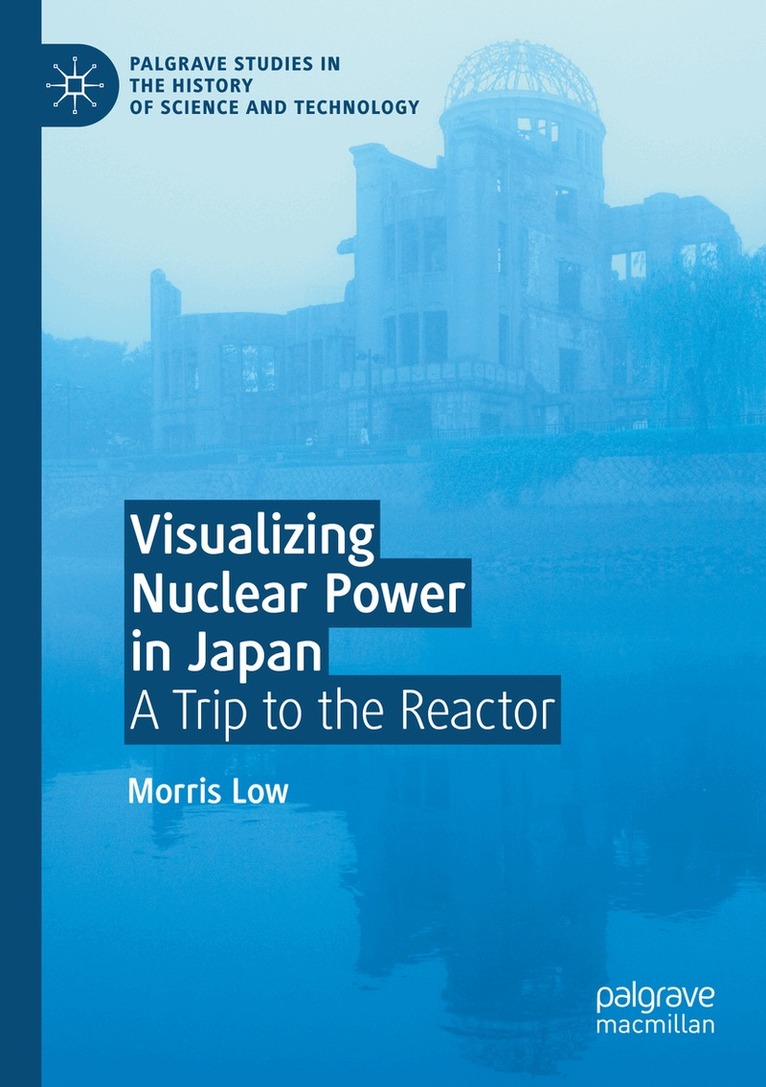
Visualizing Nuclear Power in Japan
A Trip to the Reactor
Av Morris Low
Del i serien Palgrave Studies in the History of Science and Technology
1114 kr
Beställningsvara. Skickas inom 10-15 vardagar. Fri frakt över 249 kr.
Beskrivning
Produktinformation
- Utgivningsdatum: 2021-05-29
- Mått: 148 x 210 x 16 mm
- Vikt: 361 g
- Format: Häftad
- Språk: Engelska
- Serie: Palgrave Studies in the History of Science and Technology
- Antal sidor: 260
- Förlag: Springer Nature Switzerland AG
- ISBN: 9783030472009
Utforska kategorier
Mer om författaren
Dr. Morris Low is Associate Professor of Japanese History at the University of Queensland, Brisbane, Australia.
Recensioner i media
“This book is an important contribution to the Anglophone literature. … Low’s monograph is informative, well researched, and a good resource for learning about Japan’s rejection of nuclear weapons while still embracing nuclear energy.” (Yuki Miyamoto, Technology and Culture, Vol. 63 (3), July, 2022)“Visualizing Nuclear Power in Japan offers a compelling narrative that shows the rich potential of a visualapproach in the history of technology. … Low notes that the story is still being written—an opportunity, then, for others to build on his fascinating work.” (Ruselle Meade, Isis, Vol. 113 (1), March, 2022)“The strength of the book is definitively its rich historical materialsand its evocative writing. For a work of history, the book reads almost like an ethnography. … the book is too specialized to be of interest to undergraduate students, but it will definitely become a staple for scholars studying the aftermath of the 2011 Fukushima nuclear disaster. In that regard, the book contributes to the growing literature on nuclear propaganda, a subject that remains important and controversial.” (Maxime Polleri, Metascience, Vol. 30 (1), 2021)
Betyg & recensioner
0 recensioner
Inga recensioner tillgängliga.