Inbunden, Engelska, 2020
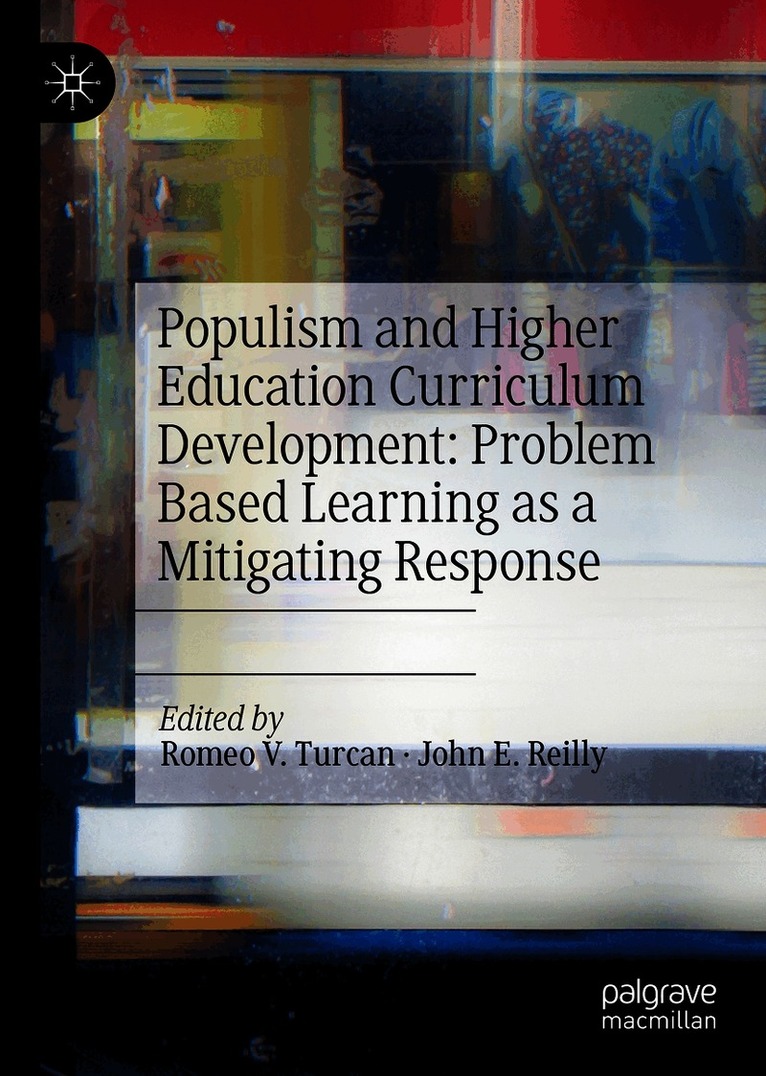
Populism and Higher Education Curriculum Development: Problem Based Learning as a Mitigating Response
Av Romeo V. Turcan, John E. Reilly
1385 kr
Beställningsvara. Skickas inom 10-15 vardagar. Fri frakt över 249 kr.
Beskrivning
Against a background of increasing inequality and a rising tide of nationalism and populism, this book raises concerns that curriculum is being shaped by powerful non-academic, non-accountable forces and that populism – and its manifestations – represent a grave challenge to learning. It explores the extent to which curriculum and learning methods in higher education should respond to this challenge. Using problem based learning as a case study it draws on crossdisciplinary studies to examine how regional, national and organizational perspectives emphasize different aspects of PBL. It questions whether PBL provides an effective response to external influences and a ‘populist’ highereducation agenda. In conclusion the book poses an uncomfortable question whether graduates reflect the external forces shaping curriculum and hence may be as vulnerable to populist rhetoric as non-graduates precisely because the curriculum and learning methods do not engage with the challenges. This book will appeal to scholars of problem based learning, as well as populism and therole of higher education in society.
Produktinformation
- Utgivningsdatum: 2020-11-22
- Mått: 148 x 210 x 31 mm
- Vikt: 733 g
- Format: Inbunden
- Språk: Engelska
- Antal sidor: 446
- Upplaga: 20001
- Förlag: Springer Nature Switzerland AG
- ISBN: 9783030473754
Utforska kategorier
Betyg & recensioner
0 recensioner
Inga recensioner tillgängliga.