• Fri frakt över 249 kr
  • •
  • Snabba leveranser
  • •
  • Billiga böcker
Kundservice

Du är på sajten för privatpersoner.

Företag, bibliotek eller offentlig verksamhet?

Du handlar på classic.bokus.com, där alla dina funktioner finns intakta.
Till classic.bokus.com
Bokus logotyp. Gå till startsidan.
  • Erbjudanden
  • Nyheter
  • Student
  • Topplistor
  • Barn & ungdom
  • Bokus Play
  • E-böcker
  • Pocketböcker
  • Spel & pussel

10% rabatt på allt med kod: NYSTART10 →

Sidfot

Mina sidor

    Hjälp

    • Kundservice
    • Vanliga frågor och svar
    • Frakt och leverans
    • Retur vid ångerrätt
    • Reklamera vara
    • Betalning
    • Köpvillkor
    • Allmänna villkor
    • Information om webbplatsens tillgänglighet

    Om Bokus

    • Om oss
    • Pressrum
    • För studenter
    • För företag
    • För bibliotek och offentlig verksamhet
    • För leverantörer
    • Hållbarhet

    Populärt

    • Aktuella erbjudanden
    • Presentkort
    • Studentlitteratur
    • Nya böcker
    • Topplistor
    • Signerade böcker
    • Engelska böcker

    Inspiration

    • Boktips
    • BookTok
    • Populära bokserier
    • Barnbokskaraktärer
    • Populära författare
    Logotyp för Bokus
    Följ oss på Facebook (extern länk)Följ oss på Instagram (extern länk)Följ oss på YouTube (extern länk)Följ oss på TikTok (extern länk)
    bokus @ CookiesAnpassa cookiesIntegritetspolicyKöpvillkor
    Till Citymail hemsida (extern länk)Till Budbee hemsida (extern länk)Till Postnord hemsida (extern länk)Till Schenker hemsida (extern länk)Till Early Bird hemsida (extern länk)Till Walleys hemsida (extern länk)
    1. Historia och arkeologi
    2. Arkeologi

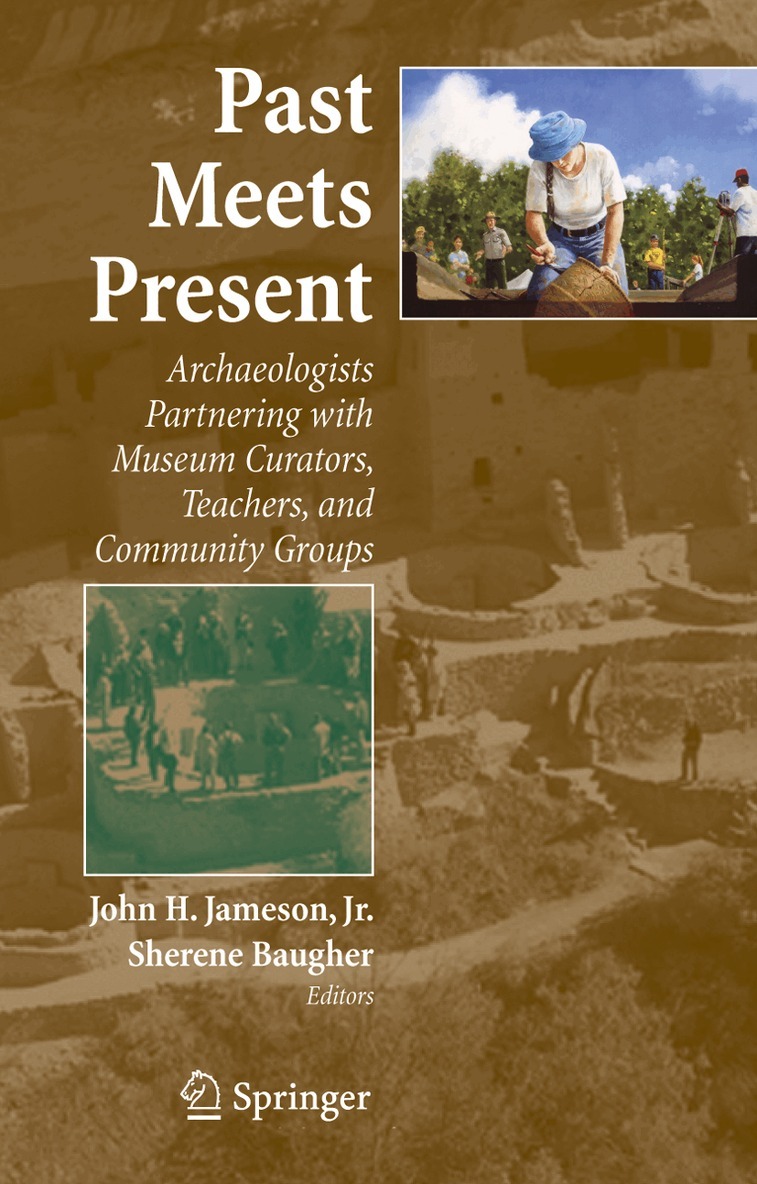
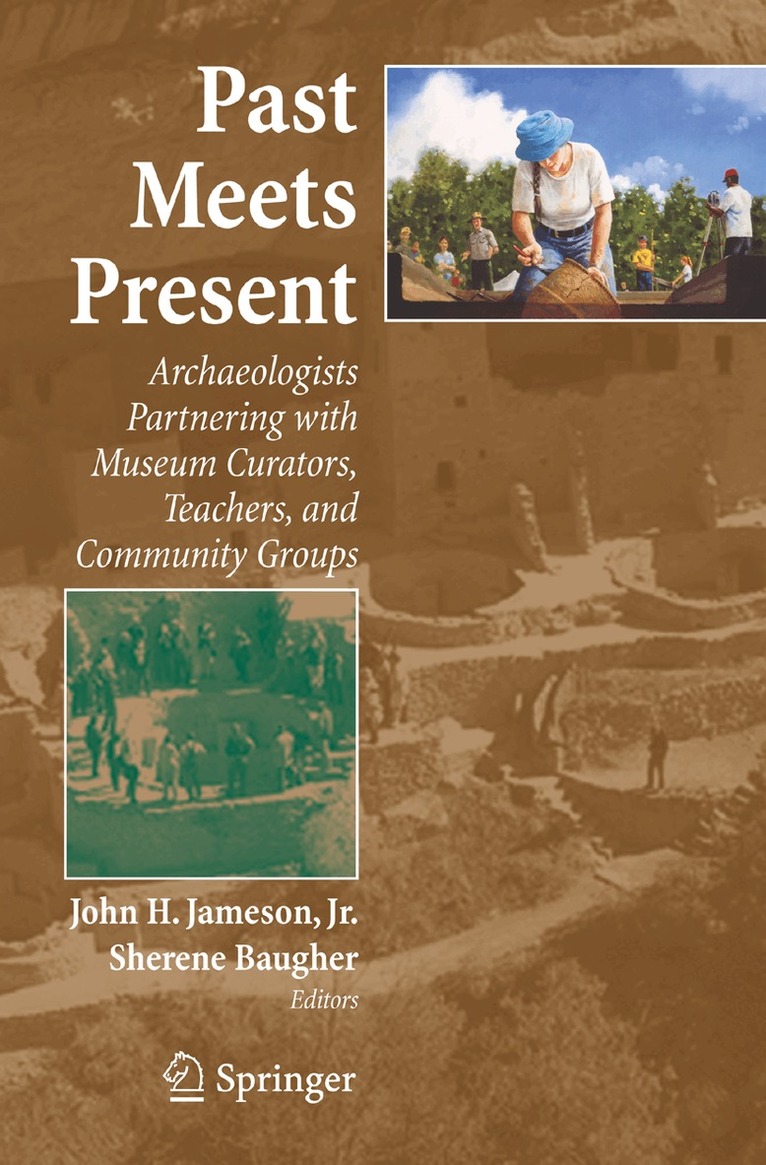
    Creating Participatory Dialogue in Archaeological and Cultural Heritage Interpretation: Multinational Perspectives

    AvJohn H. Jameson,Sherene Baugher

    Inbunden, Engelska, 2022

    1 674 kr

    Beställningsvara. Skickas inom 10-15 vardagar. Fri frakt över 249 kr.

    Beskrivning

    This volume examines evolving trends and transnational perspectives on public interpretation of archaeological and cultural heritage, as well as levels of communication, from local to regional, national and international. It is presented in the context of the evolution of cultural heritage studies from the 20th century “expert approach” to the 21st century “people-centered approach,” with public participation and community involvement at all phases of the decision-making process. Our premise is not just about bringing in community members to be partners in decision making processes; some projects are being initiated by the community--not the heritage experts. In some instances, community members are central in initiating and bringing about change rather than the archaeologists or heritage specialists. In several cases in the book, descendants take the lead in changing heritage narratives.The book addresses several central questions: Do these actions represent new emphases, or more fundamental pedagogical shifts, in interpretation? Are they resulting in more effective interpretation in facilitating emotional and intellectual connections and meanings for audiences? Are they revealing silenced histories? Can they contribute to, or help mediate, dialogues among a diversity of cultures? Can they be shared experiences as examples of good practice at national and international levels? What are the interpretation and presentation challenges for the future?Cultural heritage, as an expression of a diversity of cultures, can be an important mediator between pasts and futures. In the past, people in power from the dominant ethnic, racial, socio-economic, gender, and religious groups determined the heritage message. Minorities were often silenced; their participation in the building and growth of a city, county, or nation’s history was overlooked. New philosophical/methodological trends in public interpretation are reshaping the messages delivered at archaeological/cultural heritage sites worldwide. The role of the experts, as well as the participatory engagement of audiences and stakeholders are being redefined and reassessed.  This book explores these processes, their results and effects on the future.

    Produktinformation

    • Utgivningsdatum:2022-03-01
    • Mått:155 x 235 x 20 mm
    • Vikt:619 g
    • Format:Inbunden
    • Språk:Engelska
    • Antal sidor:261
    • Förlag:Springer Nature Switzerland AG
    • ISBN:9783030819569

    Utforska kategorier

    • Arkeologi inom Historia och arkeologi
    • Kulturvetenskap inom Samhälle och politik
    • Medievetenskap inom Samhälle och politik

    Mer om författaren

    John H. Jameson is a former senior archaeologist and interpretation program lead in the U.S. National Park Service. He is Assistant Editor for the Journal of Community Archaeology and Heritage (JCAH), is on the editorial Board of the European Journal of Archaeology and serves on the Interpretation and Presentation (ICIP) and Archaeological Heritage Management (ICAHM) committees of ICOMOS. His latest book (Springer, 2019) is entitled Transforming Heritage Practice in the 21st Century, Contributions from Community Archaeology.Sherene Baugher is a tenured Professor at Cornell University in both the Dept of Anthropology and in the Dept of Landscape Architecture and she is affiliated with Cornell’s Historic Preservation Program. She was also the first City Archaeologist for New York City (1980-1990). She has co-edited three books for Springer, the latest is the 2017 book, Urban Archaeology, Municipal Government and Local Planning: Preserving Heritage within the Commonwealth of Nations and the United States.

    Innehållsförteckning

    • Chapter 1. The Role of Participatory Dialogue in Archaeological and Cultural Heritage Interpretation Worldwide; John Jameson.- Chapter 2. Reflections and Conclusions; Sherene Baugher.- Chapter 3. Emerging Heritage Education: Training the Next Interpreters and Heritage Community Mediators; Kristen Barry.- Chapter 4. Shifting the Narrative: Indigenous cultural heritage and Archaeology in Ontario; Dena Dorozenko.- Chapter 5. Inclusive archaeology. Scientific outreach among 'forgotten collectives’; Juan F. Gibaja et al.- Chapter 6. Interpretation of cultural heritage in World Heritage Sites in Albania. Why should it be included the participation of the local community?; Elisabeta Kodheli.- Chapter 7. Community Archaeology and Collaborative Interpretation at a Rosenwald School: Understanding Fairview’s Past through its Present; Sarah Love.- Chapter 8. On the Horns of an Archaeological Dilemma: Balancing Site Confidentiality and Public Interpretation Imperatives at Delaware State Parks; John McCarthy and Jonathan Wickert.- Chapter 9. Collaboration, Investigation, Interpretation: Collaborative Projects as Pathways for Research, Interpretation, and Meaning; Jennifer McKinnon et al.- Chapter 10. Jeanne Moe.- Chapter 11. Gold Rush vs. Heritage Preservation. Rosia Montana Case (Romania); Sergiu Musteata & Elena Cozma.- Chapter 12. Raquel Piqué and Oriol Vicente.- Chapter 13. Prehistoric and Current communities: new ways of understanding; Antoni Ferrer Rotger et al.- Chapter 14. Peter Schmidt.- Chapter 15. Adding value to heritage management: public involvement in monument designation; Jose Schreurs & Marjolein Verschuur.- Chapter 16. Unearthing the Trent House, Collaborative Community Archaeology in Action; Rich Veit.- Chapter 17. Revolutionary Narratives: Irish, Polish, and Haudenosaunee Crafting of Heritage Narratives of the Revolutionary War; Brant Venables.- Chapter 18. Decolonizing Fort Vancouver: Archaeology’s Role in Interpreting Colonial Heritage Sites; Doug Wilson et.al.