Häftad, Engelska, 2023
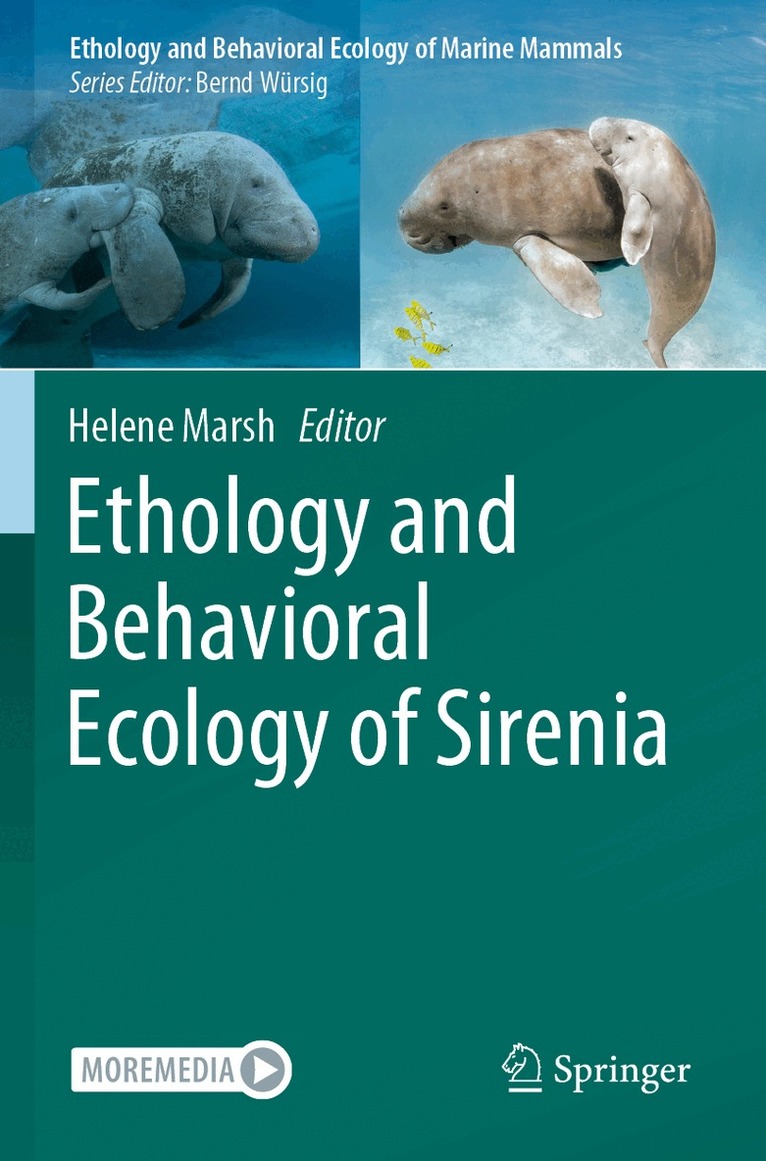
Ethology and Behavioral Ecology of Sirenia
Av Helene Marsh
1639 kr
Beställningsvara. Skickas inom 10-15 vardagar. Fri frakt över 249 kr.
Beskrivning
Despite their rich fossil history, there are only four surviving species of sirenians or sea cows, the only fully aquatic herbivorous mammals. The three species of manatees and the dugong live in the coastal waters rivers and lakes of more than 80 tropical and subtropical countries and are all on the IUCN Red List of Threatened Species. This book examines sirenian conservation biology through the lens of their behavioral ecology and ethology. Sirenian feeding, diving, movement, social and reproductive behaviors are reviewed by an international team of scientists from eight countries, with an emphasis on data gathered in the past 15 years.
Produktinformation
- Utgivningsdatum: 2023-05-11
- Mått: 155 x 235 x 24 mm
- Vikt: 657 g
- Format: Häftad
- Språk: Engelska
- Serie: Ethology and Behavioral Ecology of Marine Mammals
- Antal sidor: 417
- Förlag: Springer Nature Switzerland AG
- ISBN: 9783030907440
Utforska kategorier
Betyg & recensioner
0 recensioner
Inga recensioner tillgängliga.