• Fri frakt över 249 kr
  • •
  • Snabba leveranser
  • •
  • Billiga böcker
Kundservice

Du är på sajten för privatpersoner.

Företag, bibliotek eller offentlig verksamhet?

Du handlar på classic.bokus.com, där alla dina funktioner finns intakta.
Till classic.bokus.com
Bokus logotyp. Gå till startsidan.
  • Erbjudanden
  • Nyheter
  • Student
  • Topplistor
  • Barn & ungdom
  • Bokus Play
  • E-böcker
  • Pocketböcker
  • Spel & pussel

Må bättre, för mindre! Upp till 50% rabatt på hälsoböcker

Sidfot

Mina sidor

    Hjälp

    • Kundservice
    • Vanliga frågor och svar
    • Frakt och leverans
    • Retur vid ångerrätt
    • Reklamera vara
    • Betalning
    • Köpvillkor
    • Allmänna villkor
    • Information om webbplatsens tillgänglighet

    Om Bokus

    • Om oss
    • Pressrum
    • För studenter
    • För företag
    • För bibliotek och offentlig verksamhet
    • För leverantörer
    • Hållbarhet

    Populärt

    • Aktuella erbjudanden
    • Presentkort
    • Studentlitteratur
    • Nya böcker
    • Topplistor
    • Signerade böcker
    • Engelska böcker

    Inspiration

    • Boktips
    • BookTok
    • Populära bokserier
    • Barnbokskaraktärer
    • Populära författare
    Logotyp för Bokus
    Följ oss på Facebook (extern länk)Följ oss på Instagram (extern länk)Följ oss på YouTube (extern länk)Följ oss på TikTok (extern länk)
    bokus @ CookiesAnpassa cookiesIntegritetspolicyKöpvillkor
    Till Citymail hemsida (extern länk)Till Budbee hemsida (extern länk)Till Postnord hemsida (extern länk)Till Schenker hemsida (extern länk)Till Early Bird hemsida (extern länk)Till Walleys hemsida (extern länk)
    1. Samhälle och politik
    2. Samhälle och kultur
    3. Kultur och medier
    4. Kulturvetenskap

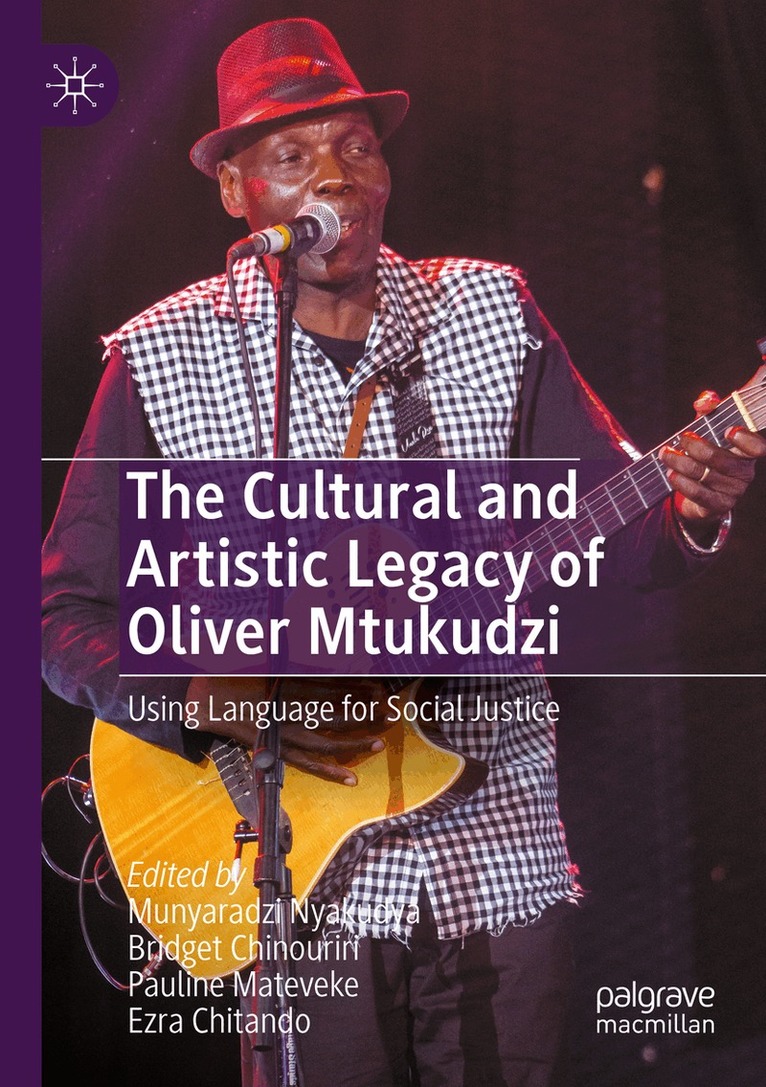
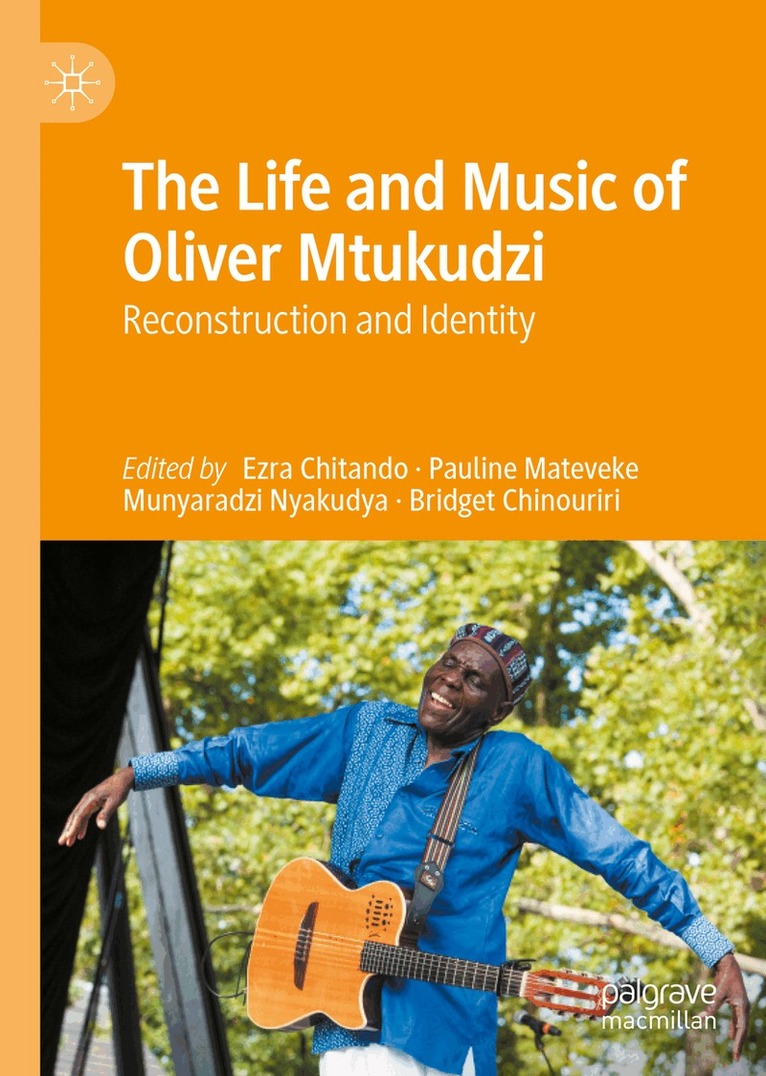
    Cultural and Artistic Legacy of Oliver Mtukudzi

    Using Language for Social Justice

    AvMunyaradzi Nyakudya,Bridget Chinouriri

    Inbunden, Engelska, 2022

    1 119 kr

    Beställningsvara. Skickas inom 10-15 vardagar. Fri frakt över 249 kr.

    Beskrivning

    This book delves into a critical and comprehensive analysis of Mtukudzi’s legacy, as an outstanding musician who anchored his music on cultural identity specifically through the artistic manipulation of language. As a cultural worker, his remit extended beyond performance. This raised his stature to the levels of such African music icons as Fela Kuti of Nigeria, Salif Keita of Mali and Miriam Makeba/Hugh Masekela of South Africa, all towering giants in African musical performance. This volume examines how Mtukudzi artistically manipulated language to convey a timeless message of cultural identity, fighting for the respect of rights for women, children and all. It unpacks how Mtukudzi subtly uses language to put across political views that speak truth to power, harnessing Zimbabwean language to articulate and promote the nation’s cultural heritage and to advocate for societal development and the promotion of rights of vulnerable groups.The chapters in this volume are a mix ofinterdisciplinary Zimbabwean scholars of linguistics, performance studies, religion, history, communication and media studies, unravelling Mtukudzi as a fighter for human rights and justice who subtly critiqued political systems and practices. It concludes that Mtukudzi strove to be a cultural worker who used the power of language through music to contribute towards the rehabilitation of a battered African identity.​

    Produktinformation

    • Utgivningsdatum:2022-09-11
    • Mått:148 x 210 x 25 mm
    • Vikt:496 g
    • Format:Inbunden
    • Språk:Engelska
    • Antal sidor:268
    • Förlag:Springer Nature Switzerland AG
    • ISBN:9783030971991

    Utforska kategorier

    • Kulturvetenskap inom Samhälle och politik
    • Populärmusik inom Kultur
    • Sociala och etiska frågor inom Samhälle och politik

    Mer om författaren

    Munyaradzi Nyakudya is Senior Lecturer in the History Heritage and Knowledge Systems Department of the University of Zimbabwe.Bridget Chinouriri is Senior Lecturer in the Creative Media and Communication Department of the University of Zimbabwe.Pauline Mateveke is Senior Lecturer in the Languages Literature and Culture Department of the University of Zimbabwe.Ezra Chitando is Professor of Religious Studies in the Philosophy Religion and Ethics Department of the University of Zimbabwe.

    Innehållsförteckning

    • Chapter 1: Culture, Language, Human Rights and Politics in Oliver Mtukudzi’s Music.- Part I: “Fearfully and Wonderfully Made”: Mtukudzi and African Cultural Pride.- Chapter 2: “Dada Nerudzi Rwako”: Championing African Identities in Oliver Mtukudzi’s Music.- Chapter 3: Tuku Music as a Site of Cultural Embodiment.- Chapter 4: Exploring the Nhaka Concept in Oliver Mtukudzi’s Music.- Part II: “Language as Identity”: Mtukudzi and the Language Question in Africa.- Chapter 5: A Stylistic Analysis of ‘Neria,’ a Song by Oliver Mtukudzi.- Chapter 6: A Semantic Analysis of Metaphors Found in Selected Lyrics of Oliver Mtukudzi’s Songs.- Chapter 7: An Exploration of Metaphoric Images in Oliver Mtukudzi’s Songs on HIV/AIDS.- Chapter 8: A Stylistic Study of Figurative Language in Oliver Mtukudzi’s Selected Songs.- Chapter 9: The ‘I’ in Oliver Mtukudzi’s Music: Autobiographical Memory and the Fragmented Self in Selected Songs.- Chapter 10: “Pakare Paye”: Music as Media for Communicating Values in the Family Governance System—The Case of Oliver Mtukudzi’s Songs.- Part III: Mtukudzi as a Human Rights Defender and “Theologian”.- Chapter 11: Championing Marital Harmony Through Music: An Examination of Four Selected Songs by Oliver Mtukudzi.- Chapter 12: Music and Human Rights in Zimbabwe: An Analysis of Oliver Mtukudzi’s Messages.- Chapter 13: Oliver Mtukudzi’s Theology: A Literary Analysis of Selected Gospel Songs.- Part IV: “Walking the Tightrope”: Playing Politics with Politics in a Challenging Environment.- Chapter 14: The Corpse as Political Capital: Oliver Mtukudzi’s Funeral and Political Contestation in Post-colonial Zimbabwe.- Chapter 15: Music and Politics in Mashava: An Analysis of Selected Songs by the Late Oliver Mtukudzi.- Chapter 16: Stance Accounts of Political and Religious Identities in ‘Tuku’ MusicTuku’ Music.