Häftad, Engelska, 2024
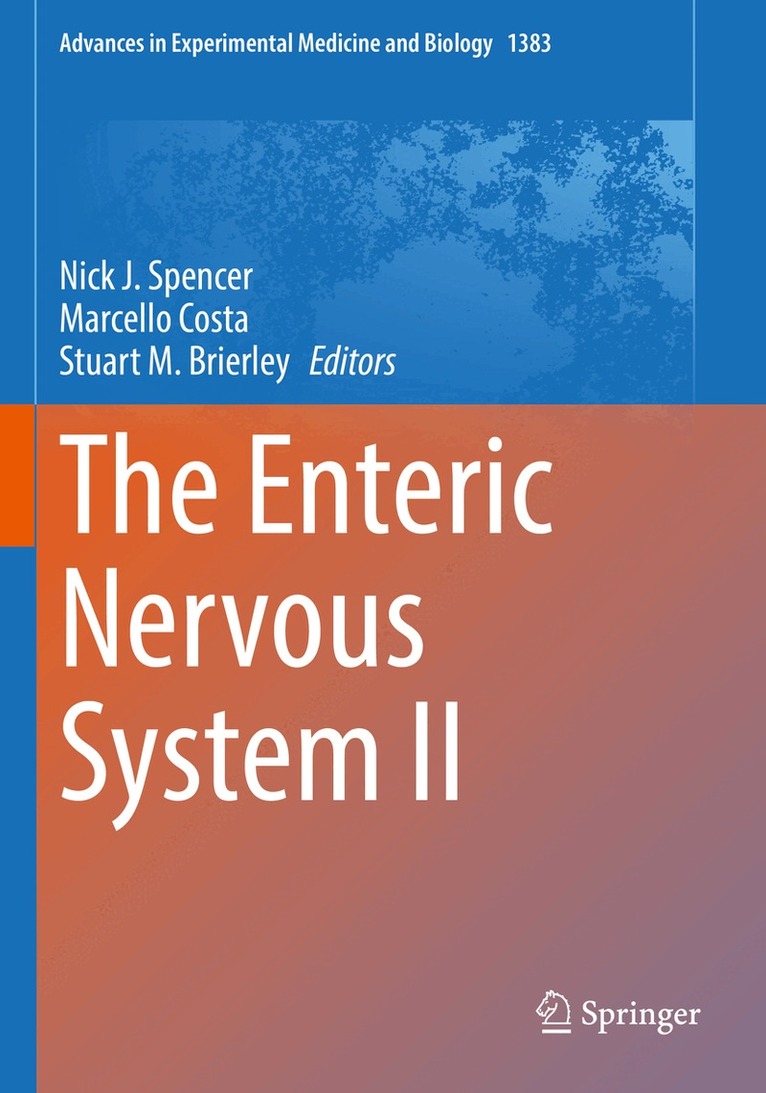
Enteric Nervous System II
Av Nick J. Spencer, Marcello Costa, Stuart M. Brierley
3369 kr
Beställningsvara. Skickas inom 10-15 vardagar. Fri frakt över 249 kr.
Beskrivning
This book is based on the proceedings of the Enteric Nervous System conference in Adelaide, Australia, under the auspices of the International Federation for Neurogastroenterology and Motility. The book focuses on methodological strategies and unresolved issues in the field and explores where the future is heading and what technological advances have been made to address current and future questions. The Enteric Nervous System II continues in the tradition of a popular earlier volume which covered the previous meeting. Many of the same authors are contributing to this new volume, presenting state-of-the-art updates on the many developments in the field since the earlier meeting. The coverage include a wide range of topics, from structure and function of the enteric nervous system through gut motility and visceral pain. The author team includes long-established authorities who significantly contributed to the advances in ENS research over the past two decades and the new generation that will continue to contribute to advancing our understanding of the field.
Produktinformation
- Utgivningsdatum: 2024-01-03
- Mått: 178 x 254 x 20 mm
- Vikt: 663 g
- Format: Häftad
- Språk: Engelska
- Serie: Advances in Experimental Medicine and Biology
- Antal sidor: 337
- Förlag: Springer International Publishing AG
- ISBN: 9783031058455
Utforska kategorier
Betyg & recensioner
0 recensioner
Inga recensioner tillgängliga.