Häftad, Engelska, 2024
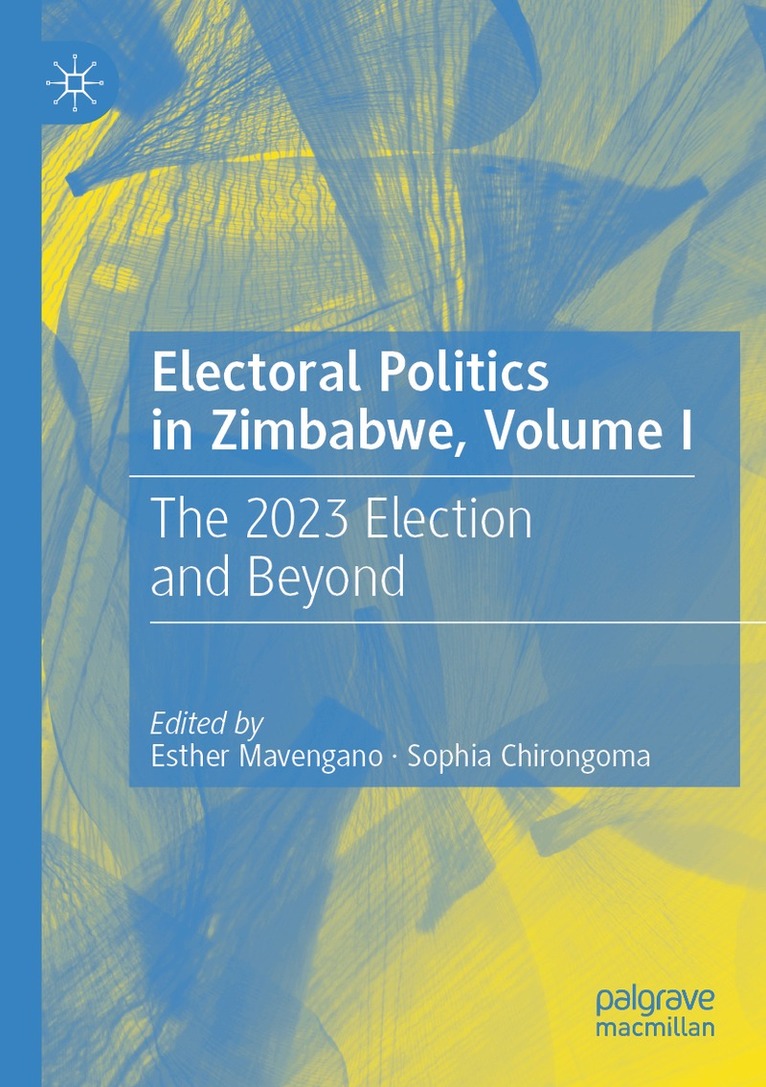
Electoral Politics in Zimbabwe, Volume I
Av Esther Mavengano, Sophia Chirongoma
1643 kr
Beställningsvara. Skickas inom 10-15 vardagar. Fri frakt över 249 kr.
Beskrivning
Volume one of Electoral Politics in Zimbabwe pays special attention to the overarching view that the 2023 harmonized elections define the fate of the major presidential contenders and their parties as well as (re) shaping the political and economic trajectories of the nation. Cognizant of the complex nature of the Zimbabwean political realm and nuanced dynamics at play, the chapters in this volume cover three interrelated themes: the electoral environment in Zimbabwean politics; language, politics, and elections in Zimbabwe; and lastly, electoral institutions and human rights in Zimbabwean politics. The chapters foreground the ongoing tensions and politicking between the two main rivals, the ruling party, ZANU PF and the main opposition party, the Citizens Coalition for Change (CCC). The contributors also highlight the impact of internal tensions and factionalism within the contending parties, the apparent voter apathy, disconcerting voices due to claims about lack of transparency and a toxic political space as factors impacting on the outcome of the 2023 presidential elections. The volume will appeal to academics and practitioners in politics, human rights, religion, gender, media, languages, linguistics, and development studies.
Produktinformation
- Utgivningsdatum: 2024-04-30
- Mått: 148 x 210 x 19 mm
- Vikt: 451 g
- Format: Häftad
- Språk: Engelska
- Antal sidor: 325
- Förlag: Springer International Publishing AG
- ISBN: 9783031271427
Utforska kategorier
Betyg & recensioner
0 recensioner
Inga recensioner tillgängliga.