E-bok, Engelska, 2024
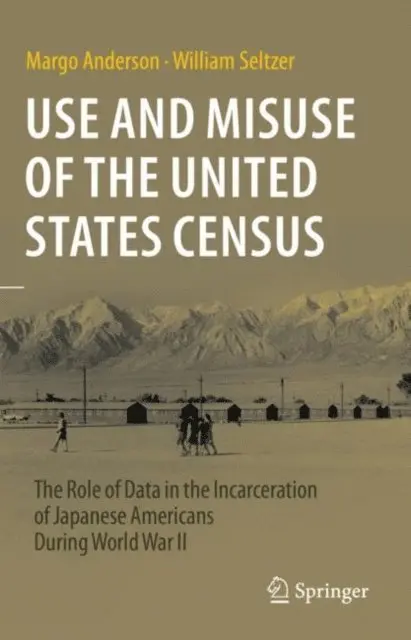
Use and Misuse of the United States Census
Av William Seltzer, Margo Anderson
571 kr
Läs direkt i Bokus Reader – eller ladda ned till din enhet
Beskrivning
The U.S. government conducts a population census every 10 years, adds up the counts by geographic location, and uses the resulting numbers in formulas to allocate seats in the House of Representative and Electoral College, and to make public funding and tax decisions. It has served as an essential tool of representative democracy since 1790. The raw data from the census also serve as a decennial snapshot of the nation, a very long list, organized by household, ideally of all people resident on census day, with additional information on the name, age, race, sex, geographic location, and other characteristics for each individual.
Americans recognized early in their history that the raw data, the list, could serve additional governmental functions, and over the centuries, erected guardrails to prevent improper use. They are encapsulated in the presidential proclamations announcing the upcoming census. The information collected from individual households is for aggregated use only, and cannot be used for the “taxation, regulation, or investigation” of individual persons or businesses.
Americans have heeded the call to “stand up and be counted.” They also engage in an ongoing conversation to make sure that the information is used properly and ethically, that the census serves as a tool of representative democracy and advances the rights – including human rights -- of all Americans. The record, however, reveals that there have been failures to meet this goal and that as a result the information provided by the responding public sometimes has been misused, causing considerable harm to vulnerable individuals, groups and entities.
Today, as governments and social media are suspect for their exploitation of data about individuals, the experience of Americans of Japanese ancestry in the United States during World War II provides a chilling example of such misuse of census data. This book reveals how census officials stepped beyond their normal roles as unobtrusive monitors of American demographic life and helped justify and administer the relocation and incarceration program.
Census officials mobilized the substantial administrative and technical resources of the 1940 census, to map the neighbourhoods where Japanese-Americans lived, and planned their systematic removal. The officials then built “census-like” data systems to track the “evacuees” for the duration of the war, monitor their lives in the camps, and certify which “loyal” evacuees might be released from the camps for military or civilian service. After the war, census officials drafted an official history of their activities, but did not publish it. This book has lessons for policy makers and ordinary Americans alike, as we confront the new digital world in which we live. And it speaks to two of the great issues of our time: distrust in the institutions ofgovernment and the victimization of minorities.Produktinformation
- Utgivningsdatum: 2024-01-02
- Språk: Engelska
- Filformat: EPUB
- Kopieringsskydd: LCP
- ISBN: 9783031386190
- Förlag: Springer Nature Switzerland
Utforska kategorier
Betyg & recensioner
0 recensioner
Inga recensioner tillgängliga.