Inbunden, Engelska, 2025
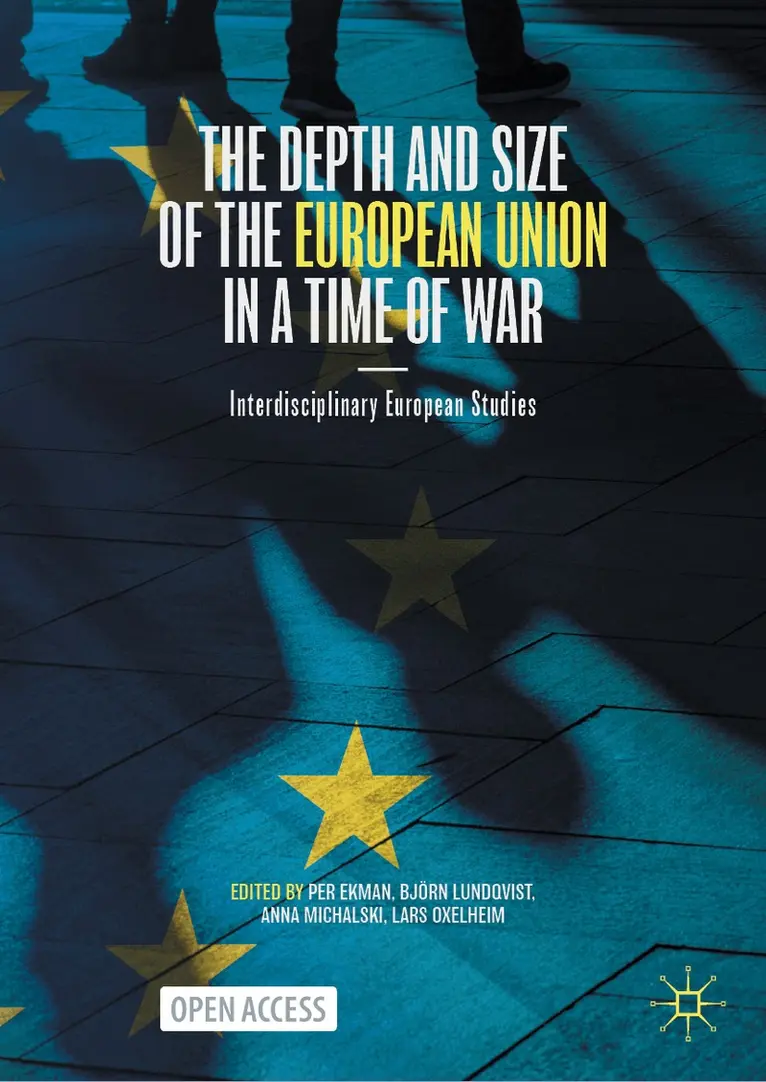
Depth and Size of the European Union in a Time of War
Av Per Ekman, Björn Lundqvist, Anna Michalski, Lars Oxelheim
552 kr
Beställningsvara. Skickas inom 10-15 vardagar. Fri frakt över 249 kr.
Beskrivning
"This book makes a timely and unique contribution to the field of European Union studies drawing on interdisciplinary insights from economics, law and political science to shed light on crucial questions relating to the depth and size of the EU in times of war, including enlargement, migration, citizenship, and new technologies. The broad scope of the book will be highly useful for scholars, practitioners, and students interested in how the EU grapples with these pressing challenges."- Niklas Bremberg, Associate Professor of Political Science, Stockholm University, SwedenThis open access book, the eighth volume in the series of Interdisciplinary European Studies, explores the implications of the EU’s size and depth at a time of war in Europe. Russia’s fateful decision to invade Ukraine in 2022 has put the question of EU enlargement back on the political agenda and, again, the implications of a larger and more diverse EU bring key principles of integration to the fore. Addressing these issues, scholars from economics, law, and political science provide insights from previous EU enlargements and the UK’s withdrawal from the EU. Based on up-to-date research findings, they provide succinct assessments of the challenges facing the EU in areas such as immigration, labour market integration, and adaptation to advanced technologies. To conclude, each chapter offers policy recommendations for decision-makers on European and national levels.
Produktinformation
- Utgivningsdatum: 2025-04-16
- Mått: 148 x 210 x 21 mm
- Vikt: 454 g
- Format: Inbunden
- Språk: Engelska
- Antal sidor: 278
- Förlag: Springer International Publishing AG
- ISBN: 9783031834400
Utforska kategorier
Betyg & recensioner
0 recensioner
Inga recensioner tillgängliga.