Häftad, Engelska, 2027
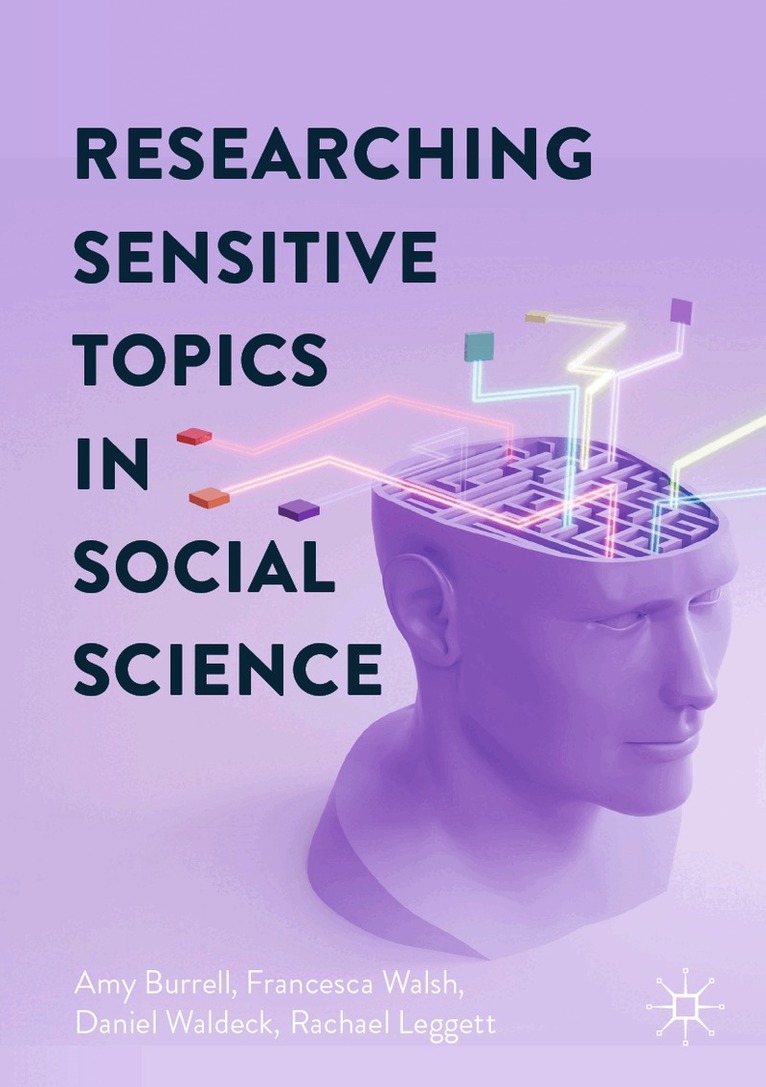
Researching Sensitive Topics In Social Science
Av Amy Burrell, Francesca Walsh, Daniel Waldeck, Rachael Leggett
894 kr
Kommande
Beskrivning
This book is aimed at social science researchers (e.g., psychology, criminology, sociology) from all levels of study (undergraduate, postgraduate, PhD, and post-doctoral) looking to develop a research project which focuses on a sensitive topic area (e.g., crime, sexual health, sexual habits, drug taking, mental health, eating disorders, domestic violence), and/or are recruiting participants from a sensitive/clinical population (e.g., children, offenders, people who are drug dependent). The book also discusses how to manage emerging issues that can impact on research on sensitive topics (e.g., the COVID-19 pandemic, the use of artificial intelligence).This book supports researchers in developing appropriate methodologies as well as thinking critically about ethics when working on sensitive topics. Its authors also offer advice on maintaining professionalism and being part of a successful research collaboration, along with how to share the results of sensitive projects appropriately. There is also a chapter dedicated to looking after yourself as a researcher. As such, this book is centred around encouraging the researcher to take a non-judgemental approach, reinforcing the importance of self-care whilst researching sensitive populations and utilising evidence-based, ethical practice.
Produktinformation
- Utgivningsdatum: 2027-02-10
- Mått: 148 x 210 x undefined mm
- Format: Häftad
- Språk: Engelska
- Serie: Advancing Methods for Interdisciplinarity in the Social Sciences
- Antal sidor: 147
- Förlag: Springer Nature Switzerland AG
- ISBN: 9783032246189
Utforska kategorier
Betyg & recensioner
0 recensioner
Inga recensioner tillgängliga.