
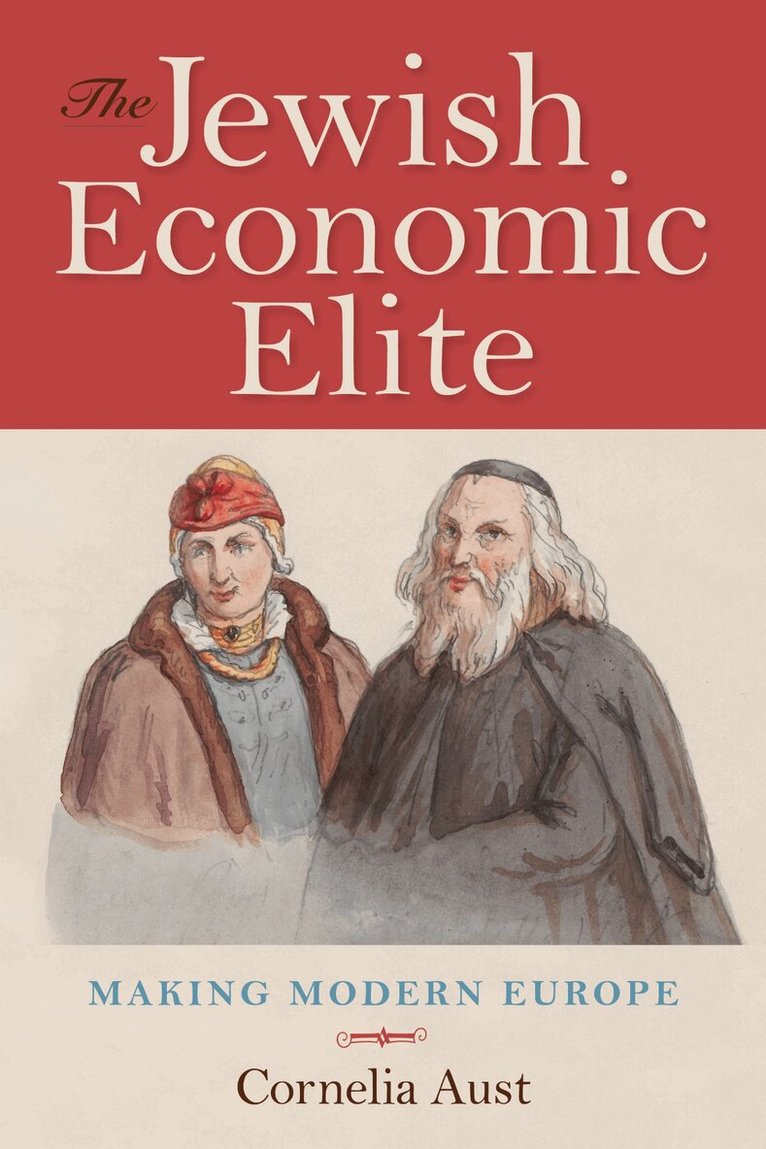
Dress and Cultural Difference in Early Modern Europe
Häftad, Engelska, 2019
823 kr
Beställningsvara. Skickas inom 5-8 vardagar. Fri frakt över 249 kr.
Beskrivning
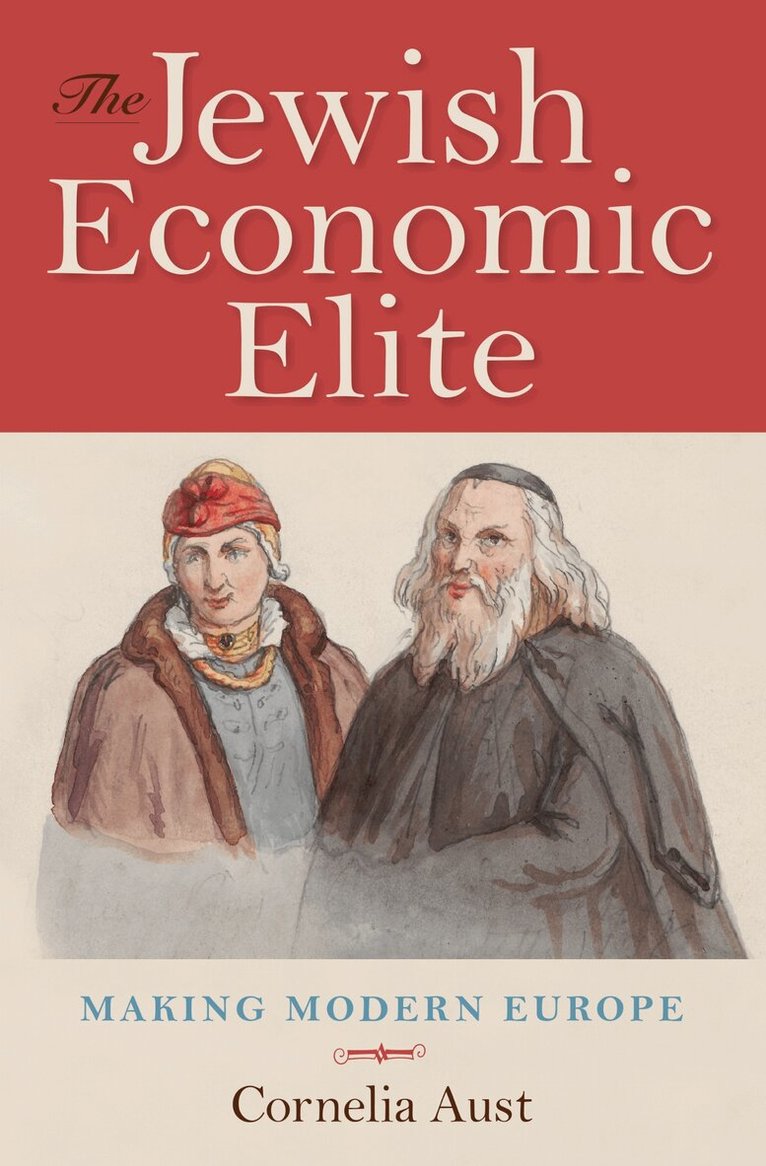
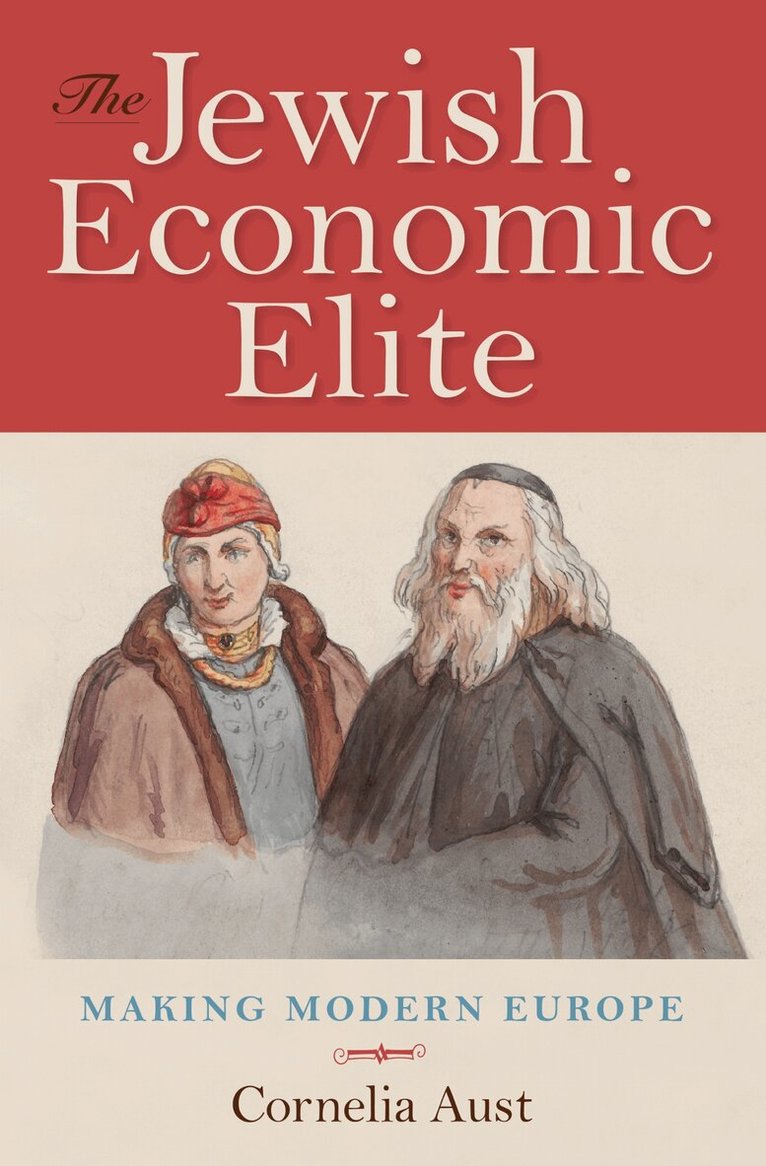
Dress is a key marker of difference. It is closely attached to the body, part of the daily routine, and an unavoidable means of communication. The clothes people wear tell stories about their allegiances and identities but also about their exclusion and stigmatization. They allow for the display of wealth and can mercilessly display poverty and indigence. Clothes also enable people to play with identities and affinities: for instance, individuals can claim higher social status via their clothes. In many ways, dress is thus open to manipulation by the wearer and misinterpretation by the observer. Authorities—whether religious or secular, local or regional—have always aimed at imposing order on this potential muddle. This is particularly true for the early modern era, when the world became ever more complex. In Europe, the composition of societies diversified with the emergence of new social groups and increasing migration and travel. Thanks to intensified long-distance trade and technological developments, new fashionable clothes and accessories entered the market. With the emergence of a consumer culture, it was now the case that not only the extremely wealthy could afford at least the occasional indulgence in luxury items and accessories. Over recent years, research has focused on a variety of areas related to dress and appearance in the context of early-modern political, socio-economic, and cultural transformations both within Europe and related to its entanglement with other parts of the world. Nevertheless, a significant compartmentalization in the research on dress and appearance remains: research is often organized around particular cities and territories, and much research is still framed by modern national boundaries. This special issue looks at dress and its perception in Europe from a transcultural perspective and highlights the many differences that clothing can express.
Produktinformation
Utforska kategorier
Innehållsförteckning
Hoppa över listan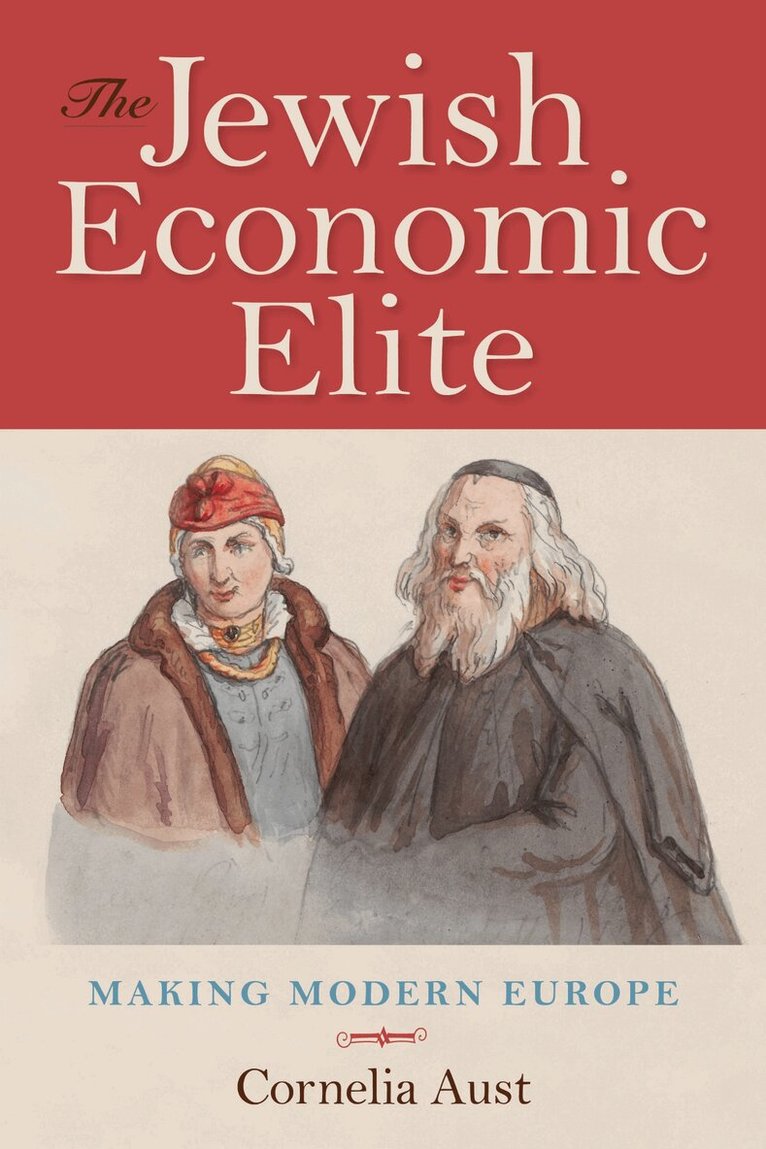



Du kanske också är intresserad av

Sind YouTube-Stars die Weltverbesserer von morgen? Erstellung eines Forschungsdesigns
Denise Klein
E-bok
2021156 kr
Weniger Stress am Arbeitsplatz. PERMA-Lead als Instrument zur Entfaltung organisationaler High Performance
Denise Klein
Häftad, 2021
584 kr
Del 274
Die Osmanischen 'Ulema' Des 17. Jahrhunderts. Eine Geschlossene Gesellschaft?
Denise Klein
Häftad, 2019
648 kr
Veröffentlichungen des Instituts fur Europäische Geschichte Mainz
Henning P Jurgens, Thomas Weller
Inbunden, 2013
1 143 kr