• Fri frakt över 249 kr
  • •
  • Snabba leveranser
  • •
  • Billiga böcker
Kundservice

Du är på sajten för privatpersoner.

Företag, bibliotek eller offentlig verksamhet?

Du handlar på classic.bokus.com, där alla dina funktioner finns intakta.
Till classic.bokus.com
Bokus logotyp. Gå till startsidan.
  • Erbjudanden
  • Nyheter
  • Student
  • Topplistor
  • Barn & ungdom
  • Bokus Play
  • E-böcker
  • Pocketböcker
  • Spel & pussel

10% rabatt på allt med kod: NYSTART10 →

Sidfot

Mina sidor

    Hjälp

    • Kundservice
    • Vanliga frågor och svar
    • Frakt och leverans
    • Retur vid ångerrätt
    • Reklamera vara
    • Betalning
    • Köpvillkor
    • Allmänna villkor
    • Information om webbplatsens tillgänglighet

    Om Bokus

    • Om oss
    • Pressrum
    • För studenter
    • För företag
    • För bibliotek och offentlig verksamhet
    • För leverantörer
    • Hållbarhet

    Populärt

    • Aktuella erbjudanden
    • Presentkort
    • Studentlitteratur
    • Nya böcker
    • Topplistor
    • Signerade böcker
    • Engelska böcker

    Inspiration

    • Boktips
    • BookTok
    • Populära bokserier
    • Barnbokskaraktärer
    • Populära författare
    Logotyp för Bokus
    Följ oss på Facebook (extern länk)Följ oss på Instagram (extern länk)Följ oss på YouTube (extern länk)Följ oss på TikTok (extern länk)
    bokus @ CookiesAnpassa cookiesIntegritetspolicyKöpvillkor
    Till Citymail hemsida (extern länk)Till Budbee hemsida (extern länk)Till Postnord hemsida (extern länk)Till Schenker hemsida (extern länk)Till Early Bird hemsida (extern länk)Till Walleys hemsida (extern länk)
    1. Ekonomi och Ledarskap
    2. Industrier och branscher
    3. Energiindustri

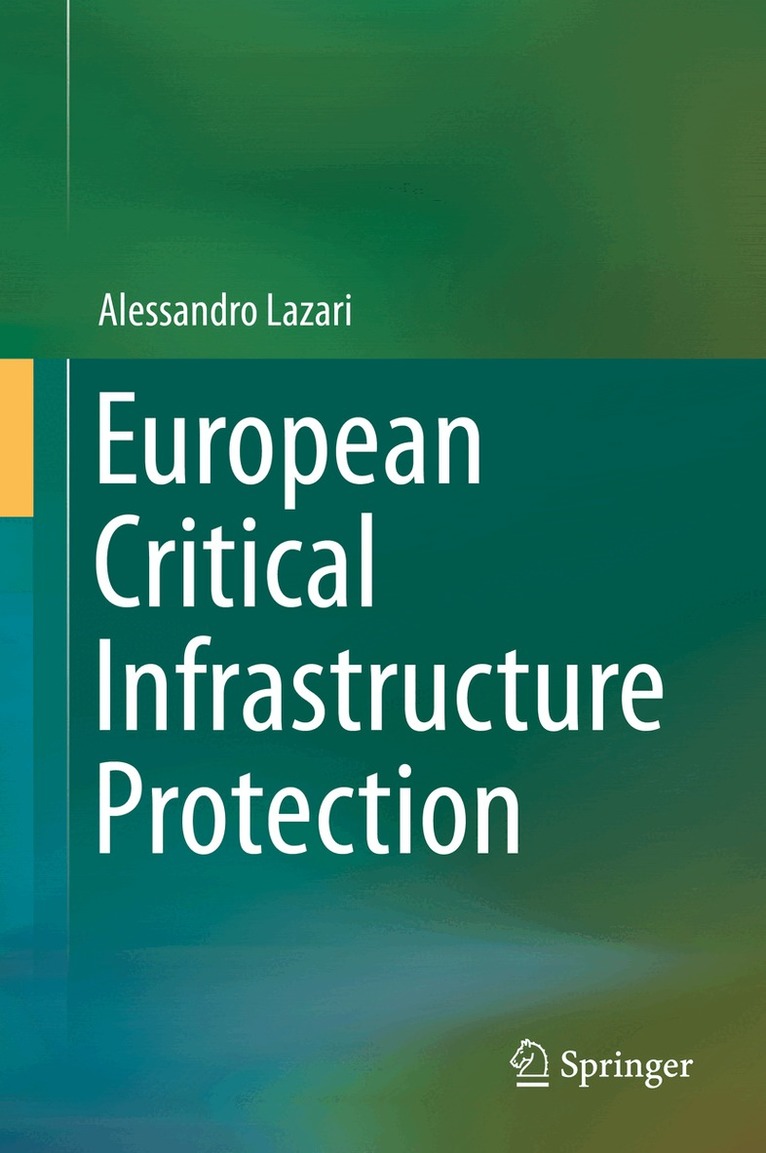
    European Critical Infrastructure Protection

    AvAlessandro Lazari

    Inbunden, Engelska, 2014

    1 086 kr

    Beställningsvara. Skickas inom 10-15 vardagar. Fri frakt över 249 kr.

    Fler format och utgåvor

    E-bok

    1 300 kr

    Häftad

    999 kr

    Beskrivning

    The recent European Council Directive 114/08 requested the EU Member States to perform an assessment aimed at the identification and designation of the so-called European Critical Infrastructures (ECI). Every analysis of the results of the "first round" of identifications and designations has only taken into account the numbers of ECIs effectively designated, consequently leaving aside all of the other elements related to this important path towards a harmonized vision of the "European Security". This work, with its unprecedented approach, focuses on the elements that have maximized or frustrated the ambitious European objectives and on the issues that might have prevented the directive reaching its full potential. Furthermore, the study offers an in-depth perspective on the lessons learned - including those that can be learned from the US pre-post 9/11 CIP policies - as well as an assessment of the state of play of the Member States after the implementation of the directive, together with predictions for future challenges.

    Produktinformation

    • Utgivningsdatum:2014-08-11
    • Mått:155 x 235 x 15 mm
    • Vikt:410 g
    • Format:Inbunden
    • Språk:Engelska
    • Antal sidor:154
    • Upplaga:2014
    • Förlag:Springer International Publishing AG
    • ISBN:9783319074962

    Utforska kategorier

    • Energiindustri inom Ekonomi och Ledarskap
    • Politisk aktivism inom Samhälle och politik
    • Transportindustri inom Ekonomi och Ledarskap

    Innehållsförteckning

    • 1. Introduction.- 2. A Brief Chronicle of CIP Main Events in the USA Before and After September 11th, 2001.- 3. European Critical Infrastructures and the Directive 114/08/EC.- 4. State of Play of CIP in the EU After the Directive 114/08.- 5. Past, Present and Future of the Identification and Designation of ECIS and the Role of the Operator Security Pan.- 6. The Next Decade of European CIP: Anxiety of Decision, Fear of the Future, Perception of Risk, as Well as Attempting to Answer the Question: “Which of the CIP’S Elements Will Most Affect Critical Infrastructure Protection?”.- 7. Conclusions.