• Fri frakt över 249 kr
  • •
  • Snabba leveranser
  • •
  • Billiga böcker
Kundservice

Du är på sajten för privatpersoner.

Företag, bibliotek eller offentlig verksamhet?

Du handlar på classic.bokus.com, där alla dina funktioner finns intakta.
Till classic.bokus.com
Bokus logotyp. Gå till startsidan.
  • Erbjudanden
  • Nyheter
  • Student
  • Topplistor
  • Barn & ungdom
  • Bokus Play
  • E-böcker
  • Pocketböcker
  • Spel & pussel

10% rabatt på allt med kod NYSTART10 →

Sidfot

Mina sidor

    Hjälp

    • Kundservice
    • Vanliga frågor och svar
    • Frakt och leverans
    • Retur vid ångerrätt
    • Reklamera vara
    • Betalning
    • Köpvillkor
    • Allmänna villkor
    • Information om webbplatsens tillgänglighet

    Om Bokus

    • Om oss
    • Pressrum
    • För studenter
    • För företag
    • För bibliotek och offentlig verksamhet
    • För leverantörer
    • Hållbarhet

    Populärt

    • Aktuella erbjudanden
    • Presentkort
    • Studentlitteratur
    • Nya böcker
    • Topplistor
    • Signerade böcker
    • Engelska böcker

    Inspiration

    • Boktips
    • BookTok
    • Populära bokserier
    • Barnbokskaraktärer
    • Populära författare
    Logotyp för Bokus
    Följ oss på Facebook (extern länk)Följ oss på Instagram (extern länk)Följ oss på YouTube (extern länk)Följ oss på TikTok (extern länk)
    bokus @ CookiesAnpassa cookiesIntegritetspolicyKöpvillkor
    Till Citymail hemsida (extern länk)Till Budbee hemsida (extern länk)Till Postnord hemsida (extern länk)Till Schenker hemsida (extern länk)Till Early Bird hemsida (extern länk)Till Walleys hemsida (extern länk)
    1. Psykologi och pedagogik
    2. Pedagogik
    3. Undervisning i specifika ämnen

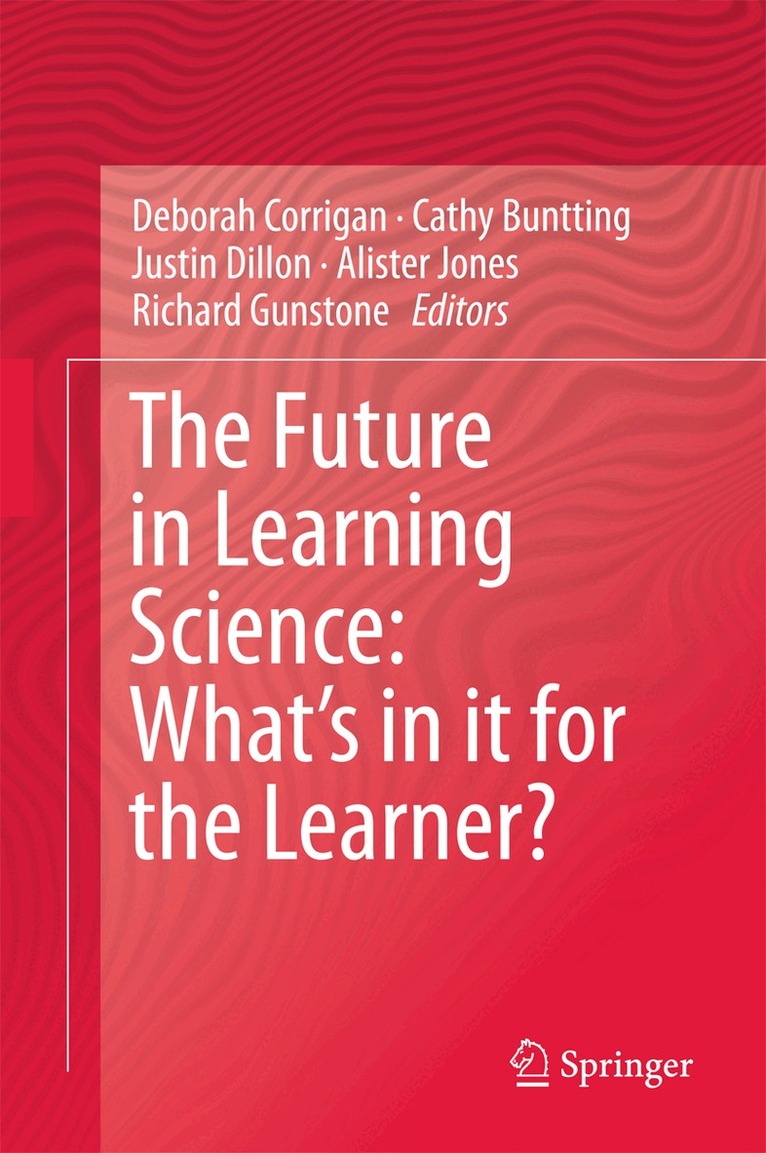
    Future in Learning Science: What’s in it for the Learner?

    AvDeborah Corrigan,Cathy Buntting

    Inbunden, Engelska, 2015

    1 086 kr

    Beställningsvara. Skickas inom 10-15 vardagar. Fri frakt över 249 kr.

    Beskrivning

    This volume considers the future of science learning - what is being learned and how it is being learned - in formal and informal contexts for science education. To do this, the book explores major contemporary shifts in the forms of science that could or should be learned in the next 20 years, what forms of learning of that science should occur, and how that learning happens, including from the perspective of learners. In particular, this volume addresses shifts in the forms of science that are researched and taught post-school – emerging sciences, new sciences that are new integrations, “futures science”, and increases in the complexity and multidisciplinarity of science, including a multidisciplinarity that embraces ways of knowing beyond science. A central aspect of this in terms of the future of learning science is the urgent need to engage students, including their non-cognitive, affective dimensions, both for an educated citizenry and for a productive response to the ubiquitous concerns about future demand for science-based professionals. Another central issue is the actual impact of ICT on science learning and teaching, including shifts in how students use mobile technology to learn science.

    Produktinformation

    • Utgivningsdatum:2015-09-11
    • Mått:155 x 235 x 23 mm
    • Vikt:641 g
    • Format:Inbunden
    • Språk:Engelska
    • Antal sidor:299
    • Upplaga:15001
    • Förlag:Springer International Publishing AG
    • ISBN:9783319165424

    Utforska kategorier

    • Undervisning i specifika ämnen inom Psykologi och pedagogik
    • Naturvetenskap:allmänt inom Naturvetenskap och teknik

    Innehållsförteckning

    • The Future in Learning Science: Themes, Issues and Big Ideas. Cathy Buntting, Richard Gunstone, Deborah Corrigan, Justin Dillon and Alister Jones.- Learning for a Better World: Futures in Science Education, Michael Reiss.- Connoisseurs of Science: A Next Goal for Science Education? Peter Fensham.- When Science Changes: The Impact of ICTs on Preparing Students for Science Outside of School , Marie-Claire Shanahan.- Forms of learning in senior secondary science as represented through an integrated curriculum, May Cheng.- Pursuing different forms of science learning through innovative curriculum implementation, Greg Lancaster, Debra Panizzon and Deborah Corrigan.- Reconceptualising the Learning and Teaching of Scientific Concepts, Colette Murphy.- Making Science beyond the Classroom Accessible to Students, Léonie Rennie.- Children Learning Science in and for a Participatory Culture, Bronwen Cowie and Elaine Khoo.- The Elephant in the Room: Emotional Literacy/Intelligence, Science Education, and Gender, Brian Matthews.- Initiatives to Prepare New Science Teachers for Promoting Student Engagement, Shirley Simon and Paul Davies.- Futures Thinking in the Future of Science Education, Cathy Buntting and Alister Jones.- Revealing Questions: What are Learners Asking About? Amy Seakins.- The Potential of Digital Technology for Science Learning and Teaching—The Learners’ Perspective, Neil Selwyn and Rebecca Cooper.- Facilitating Change in Science Teachers’ Perceptions about Learning and Teaching, John Loughran and Kathy Smith.