Häftad, Engelska, 2018
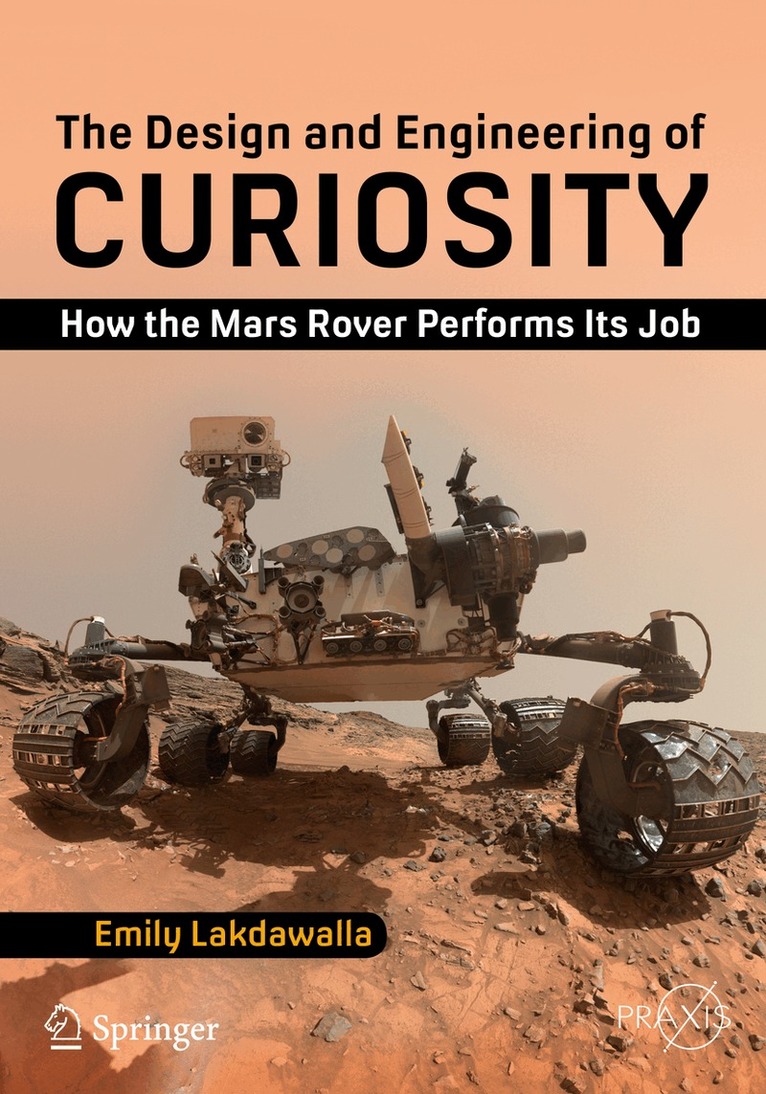
Design and Engineering of Curiosity
367 kr
Beställningsvara. Skickas inom 10-15 vardagar. Fri frakt över 249 kr.
Beskrivning
Produktinformation
- Utgivningsdatum: 2018-04-10
- Mått: 231 x 249 x 20 mm
- Vikt: 726 g
- Format: Häftad
- Språk: Engelska
- Serie: Springer Praxis Books
- Antal sidor: 394
- Upplaga: 2018
- Förlag: Springer International Publishing AG
- ISBN: 9783319681443
Utforska kategorier
Betyg & recensioner
1 recensioner, genomsnitt 5/5
- 5/5 Jan L
Är man specialist inom ett område, läser man facklitteratur där det förutsätts att man redan är insatt i alla termer och förkortningar. Populärvetenskapliga alster är å andra sidan ofta alltför ytliga och frustrerande för den som vill ha reda på hur saker och ting verkligen fungerar. Litteratur mellan dessa ytterligheter är ganska sällsynt, men här är ett bra exempel på hur man kan fylla luckan och åstadkomma ett populärt referensverk.
Emily Lakdawalla är i botten geolog och utför större delen av sin dagliga gärning vid The Planetary Society som "planetary evangelist" med sina bloggar. Hon har i denna sin första bok lyckats förklara allting om Curiositys tillblivelse, konstruktion, prestanda och problem utan att förfalla till fackjargong. Det finns en otrolig mängd detaljer och bilder som gör att man får en känsla av att delta i utforskningen av Mars trots att framställningen bitvis kan kännas något torr - men hur undviker man det med en målsättning att klämma in allt på 400 sidor?
Ändå känns det spännande att få veta hur Curiosity fortfarande kan rulla runt på Mars långt efter sin planerade livslängd trots trasiga hjul och kortslutningar i elsystemet.
Författaren har gjort ett mycket gediget och omfattande jobb, exempelvis med referenser till alla källor och inte nog med det: Det utlovas en fortsättning om Curiositys framfart på den dammiga röda planeten som bör vara väl värd att vänta på.