• Fri frakt över 249 kr
  • •
  • Snabba leveranser
  • •
  • Billiga böcker
Kundservice

Du är på sajten för privatpersoner.

Företag, bibliotek eller offentlig verksamhet?

Du handlar på classic.bokus.com, där alla dina funktioner finns intakta.
Till classic.bokus.com
Bokus logotyp. Gå till startsidan.
  • Erbjudanden
  • Nyheter
  • Student
  • Topplistor
  • Barn & ungdom
  • Bokus Play
  • E-böcker
  • Pocketböcker
  • Spel & pussel

10% studentrabatt med kod TERM26

Sidfot

Mina sidor

    Hjälp

    • Kundservice
    • Vanliga frågor och svar
    • Frakt och leverans
    • Retur vid ångerrätt
    • Reklamera vara
    • Betalning
    • Köpvillkor
    • Allmänna villkor
    • Information om webbplatsens tillgänglighet

    Om Bokus

    • Om oss
    • Pressrum
    • För studenter
    • För företag
    • För bibliotek och offentlig verksamhet
    • För leverantörer
    • Hållbarhet

    Populärt

    • Aktuella erbjudanden
    • Presentkort
    • Studentlitteratur
    • Nya böcker
    • Topplistor
    • Signerade böcker
    • Engelska böcker

    Inspiration

    • Boktips
    • BookTok
    • Populära bokserier
    • Barnbokskaraktärer
    • Populära författare
    Logotyp för Bokus
    Följ oss på Facebook (extern länk)Följ oss på Instagram (extern länk)Följ oss på YouTube (extern länk)Följ oss på TikTok (extern länk)
    bokus @ CookiesAnpassa cookiesIntegritetspolicyKöpvillkor
    Till Citymail hemsida (extern länk)Till Budbee hemsida (extern länk)Till Postnord hemsida (extern länk)Till Schenker hemsida (extern länk)Till Early Bird hemsida (extern länk)Till Walleys hemsida (extern länk)
    1. Samhälle och politik
    2. Samhälle och kultur
    3. Kultur och medier
    4. Kulturvetenskap

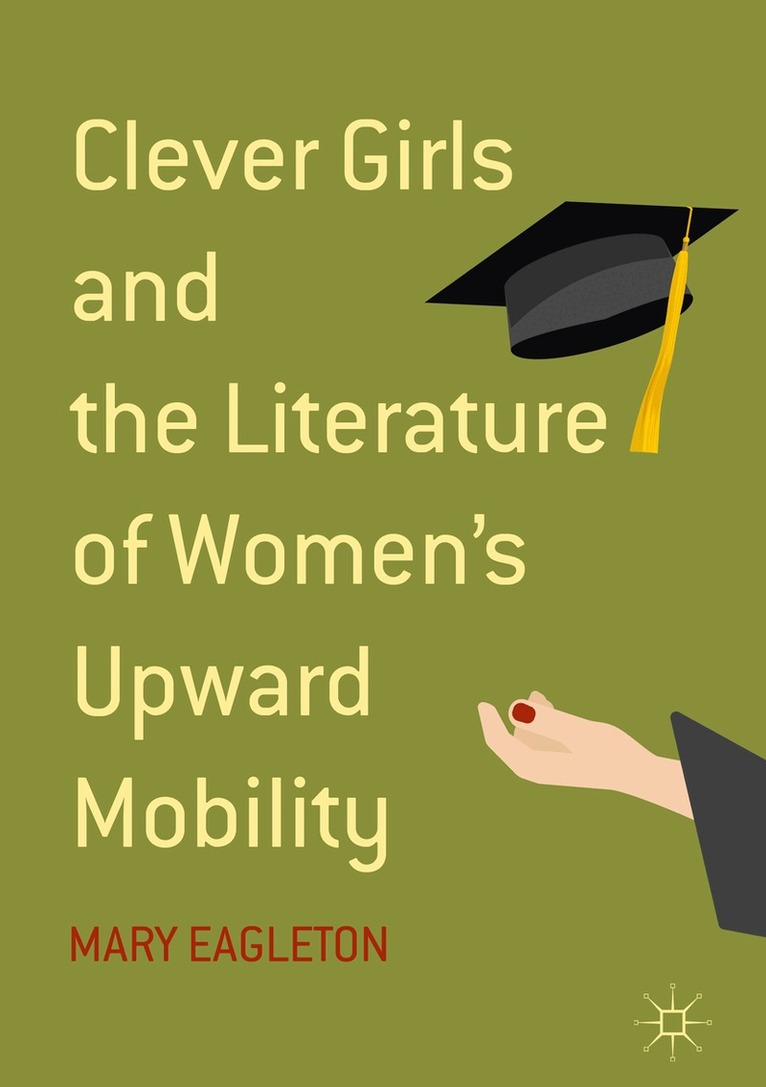
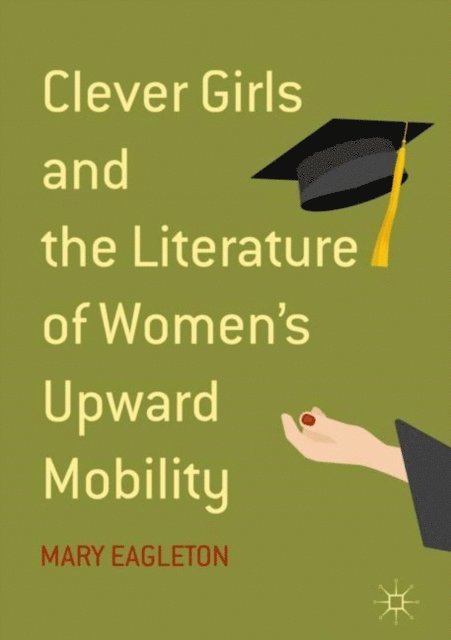
    Clever Girls and the Literature of Women's Upward Mobility

    AvMary Eagleton

    Häftad, Engelska, 2019

    1 077 kr

    Beställningsvara. Skickas inom 10-15 vardagar. Fri frakt över 249 kr.

    Fler format och utgåvor

    Inbunden

    1 077 kr

    E-bok

    1 288 kr

    Beskrivning

    This book follows the figure of ‘the clever girl’ from the post-war to the present and focuses on the fiction, plays and memoirs of contemporary British women writers. Spurred on by an ethic of meritocracy, the clever girl is now facing austerity and declining social mobility. Though suggesting optimism, a public discourse of ‘opportunity’, ‘aspiration’ and ‘choice’ is often experienced as an anxious and chancy process. In a wide-ranging study, the book explores the struggle to move away from home and traditional notions of femininity; the persistent problems associated with women’s embodiment; the pressures of class and racial divisions; the new subjectivities of the neoliberal era; and the generational conflict underpinning austerity. The book ends with a consideration of feminism’s place as a phantom presence in this history of clever girls. This study will appeal to readers of contemporary women’s writing and to those interested in what has been one of the dominant social narratives of the post-war period from upward to declining mobility.
    Produktinformation

    • Utgivningsdatum:2019-06-06
    • Mått:148 x 210 x 12 mm
    • Vikt:286 g
    • Format:Häftad
    • Språk:Engelska
    • Antal sidor:208
    • Förlag:Springer International Publishing AG
    • ISBN:9783319891255

    Utforska kategorier

    • Kulturvetenskap inom Samhälle och politik
    • Socialhistoria och kulturhistoria inom Historia och arkeologi
    • Sociala och etiska frågor inom Samhälle och politik

    Mer om författaren

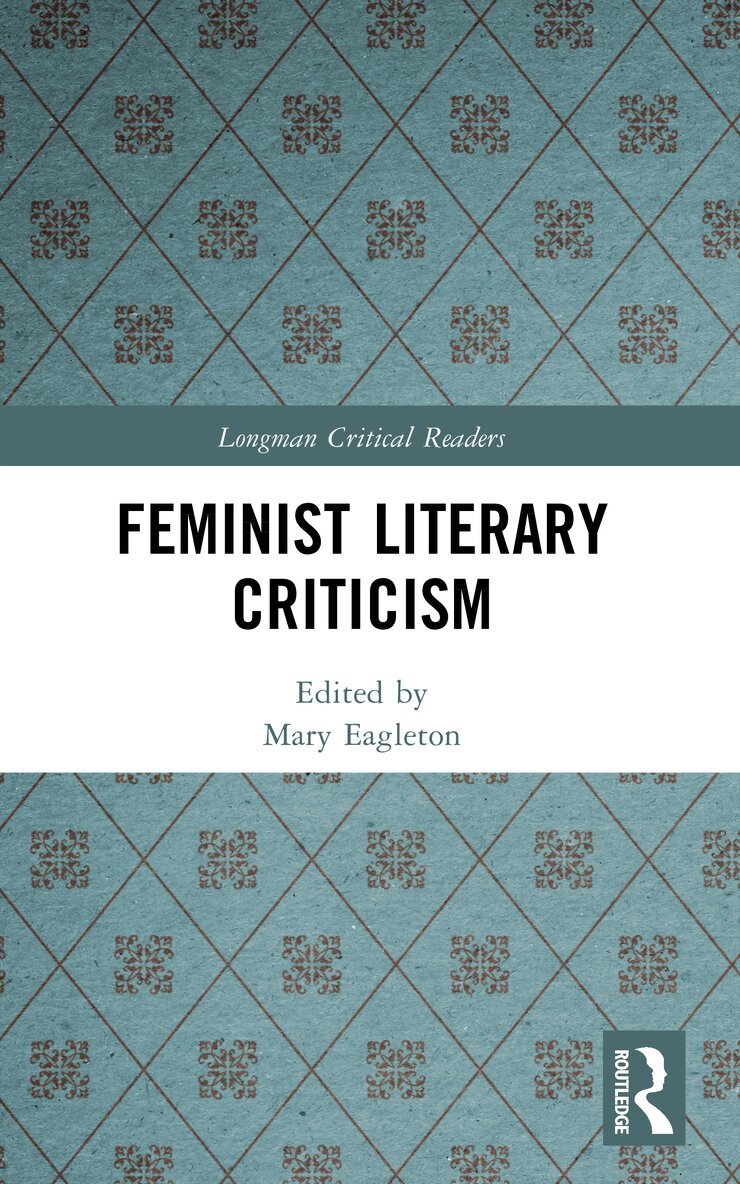
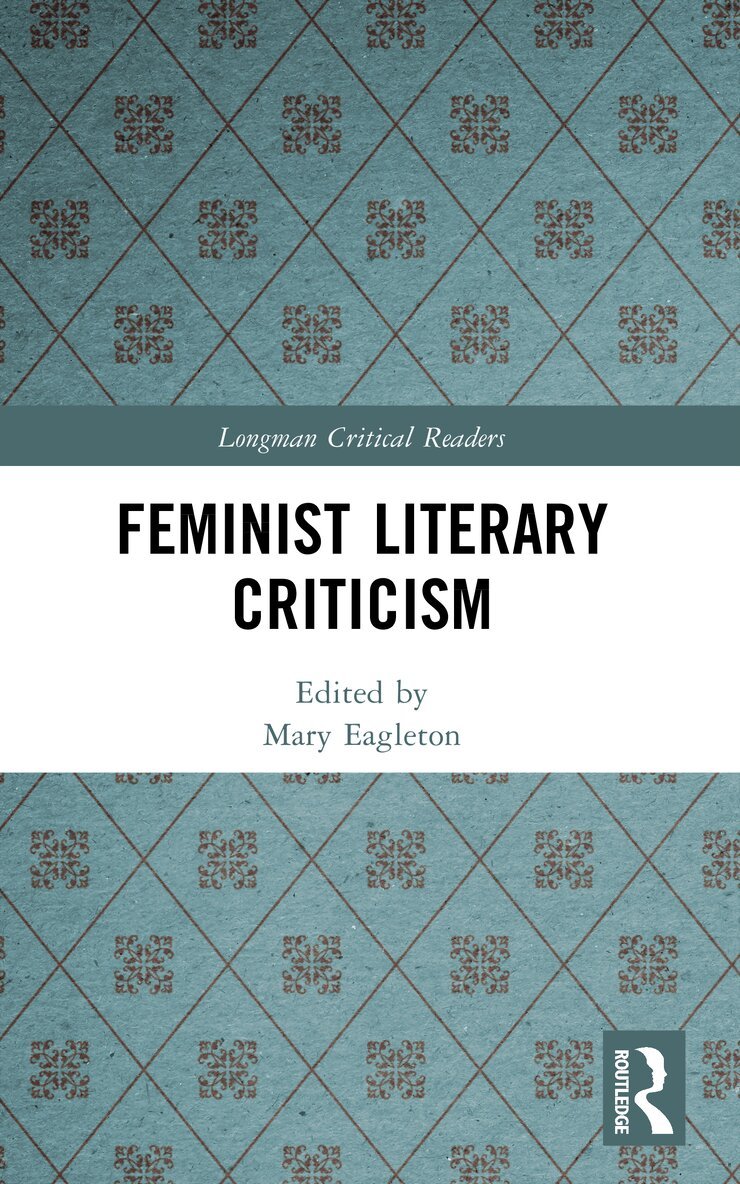
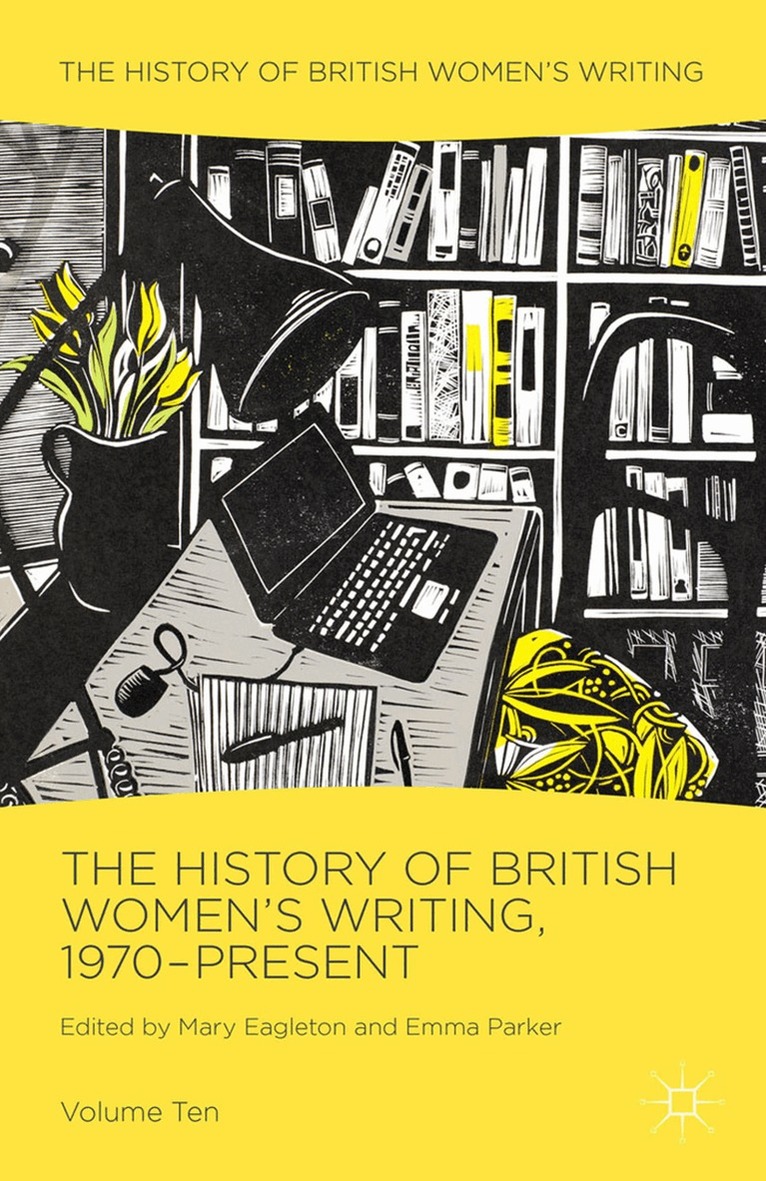
    Mary Eagleton was, formerly, Professor of Contemporary Women’s Writing at Leeds Beckett University, UK.  She has published widely on contemporary women authors, feminist literary theory and feminist literary history. Publications include Figuring the Woman Author in Contemporary Fiction (2005), Feminist Literary Theory: A Reader (3rd revised edition, 2011) and, with Emma Parker, The History of British Women’s Writing, 1970 – the Present (2015).

    Recensioner i media

    “The book as a whole is based on an impressive body of research … . It is thoroughly up to date, commenting on recently published literary texts as well as on the latest political developments. The writing is extremely lucid and readable throughout. This is an important study, which will be valuable to literary critics and particularly to cultural historians.” (Faye Hammill, Tulsa Studies in Women's Literature, Vol. 38 (2), 2019)          “Eagleton’s ambitious book includes attention to novels, memoirs and dramas that foreground a change in class status for women since the Second World War. … Both primary and secondary texts are diverse in their origins and methods, and one of the strengths of the book is Eagleton’s wide scope on both fronts. … Eagleton’s own terminology is continuously sensitive to the social pressures that complicate social mobility … .” (Mary M. McGlynn, Literature & History, Vol. 28 (2), November, 2019)“Mary Eagleton’s impressive study … provides a thoroughgoing social and political history of women’s education – and an illustrative account of the ways in which the routes to upward mobility flowed and ebbed – from the post-war era to the present. She adopts a novel interdisciplinary approach, a model hybrid literary/social study that maps the course of women’s upward mobility through literature and supported by history, showing how this forms a trajectory that rises and declines from one precarious era to another.” (Sue Kennedy, Journal of Gender Studies, Vol. 28 (5), 2019)“A rich study of social mobility that combines a cultural history of a rapidly changing Britain with an authoritative literary critical analysis of the texts (primarily novels, but also autobiography and drama) that address women’s roles and shifting aspirations across the late twentieth and early twenty-first centuries. … Eagleton writes with authority and style, presenting a text that is urgent, compelling, and eminently readable.” (Fiona Tolan, English - Journal of the English Association, February, 15, 2019)

    Innehållsförteckning

    • 1. Introduction: The Language of Upward Mobility.- 2. Escaping Origins.- 3.Relative Values: Career, Marriage, Maternity.- 4. Troublesome Bodies.- 5. New Forms, New Selves.- 6. ‘Top Girls’ and Other Epithets.- 7. ‘The Haves’ and ‘the Have-Nots’.- 8. Coda: Phantom Feminism.