• Fri frakt över 249 kr
  • •
  • Snabba leveranser
  • •
  • Billiga böcker
Kundservice

Du är på sajten för privatpersoner.

Företag, bibliotek eller offentlig verksamhet?

Du handlar på classic.bokus.com, där alla dina funktioner finns intakta.
Till classic.bokus.com
Bokus logotyp. Gå till startsidan.
  • Erbjudanden
  • Student
  • Topplistor
  • Barn & ungdom
  • Bokus Play
  • E-böcker
  • Ljudböcker
  • Pocketböcker
  • Spel och pussel

Pocketfynda! Hundratals böcker för 49 kr/st →

Sidfot

Mina sidor

    Hjälp

    • Kundservice
    • Vanliga frågor och svar
    • Frakt och leverans
    • Retur vid ångerrätt
    • Reklamera vara
    • Betalning
    • Köpvillkor
    • Allmänna villkor
    • Information om webbplatsens tillgänglighet

    Om Bokus

    • Om oss
    • Pressrum
    • För studenter
    • För företag
    • För bibliotek och offentlig verksamhet
    • För leverantörer
    • Hållbarhet

    Populärt

    • Aktuella erbjudanden
    • Presentkort
    • Studentlitteratur
    • Nya böcker
    • Topplistor
    • Signerade böcker
    • Engelska böcker

    Inspiration

    • Boktips
    • BookTok
    • Barnbokskaraktärer
    • Populära författare
    Logotyp för Bokus
    Följ oss på Facebook (extern länk)Följ oss på Instagram (extern länk)Följ oss på YouTube (extern länk)Följ oss på TikTok (extern länk)
    bokus @ CookiesAnpassa cookiesIntegritetspolicyKöpvillkor
    Till Citymail hemsida (extern länk)Till Budbee hemsida (extern länk)Till Postnord hemsida (extern länk)Till Schenker hemsida (extern länk)Till Early Bird hemsida (extern länk)Till Walleys hemsida (extern länk)
    1. Data och IT
    2. Systemvetenskap och AI
    3. Artificiell intelligens

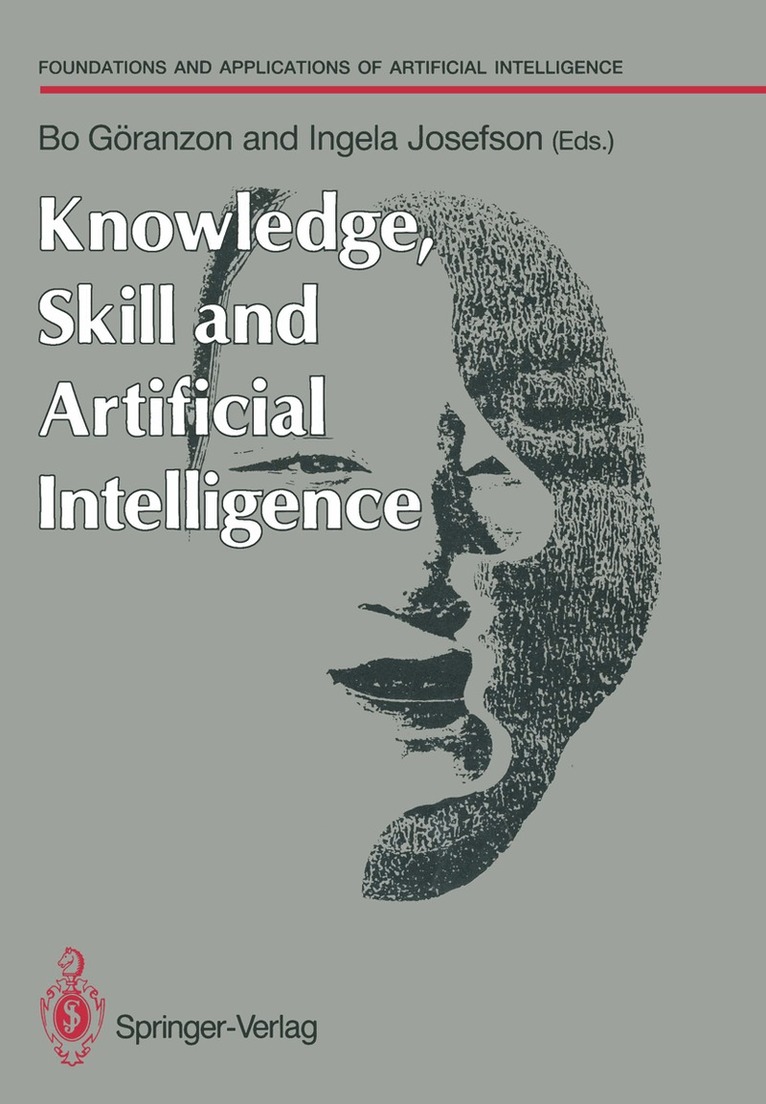
    Knowledge, Skill and Artificial Intelligence

    AvBo Göranzon,Ingela Josefson

    Häftad, Engelska, 1988

    Del i serien Human-centred Systems

    559 kr

    Beställningsvara. Skickas inom 10-15 vardagar. Fri frakt över 249 kr.

    Beskrivning

    Issues raised by the Theory of Knowledge, a central theme in the development of Artificial Intelligence, are the main topic of this book. The major questions are: How is the expert's knowledge to be elicited, what are the limits and possibilities? How can skill be developed and maintained in a more and more computerized and abstract working life? This last question is also closely related to the discussion on programs for education and training in society and working life. Long term effects on skill formation in working life in relation to new technology are a very important area of research. Case studies form the basis for philosophical reflections with the main concept of tacit knowledge as the central issue of skill and new technology. To a great extent the discussion is based on current case studies of professional groups with experience in advanced computer technology. The contributions of this book demonstrate the complicated nature of human knowledge. They introduce different theoretical perspectives on the issue of knowledge acquisition and elicitation.

    Produktinformation

    • Utgivningsdatum:1988-05-30
    • Mått:170 x 244 x 12 mm
    • Vikt:382 g
    • Format:Häftad
    • Språk:Engelska
    • Serie:Human-centred Systems
    • Antal sidor:193
    • Upplaga:88001
    • Förlag:Springer-Verlag Berlin and Heidelberg GmbH & Co. KG
    • ISBN:9783540195191

    Utforska kategorier

    • Artificiell intelligens inom Data och IT

    Innehållsförteckning

    • Section I. Introduction.- 1. Introduction.- Section II. Tacit Knowledge and Apprenticeship.- 2. The Practice of the Use of Computers. A Paradoxical Encounter between Different Traditions of Knowledge.- 3. The Nurse as Engineer — the Theory of Knowledge in Research in the Care Sector.- 4. Automation-Skill-Apprenticeship.- 5. Computerization and Skill in Local Weather Forecasting.- 6. Tacit Knowledge, Working Life and Scientific Method.- Section III. Skill and Artificial Intelligence.- 7. Can Skills be Transferable?.- 8. Artificial Intelligence and Social Action: Education and Training.- 9. Skill, Education and Social Value: Some Thoughts on the Metonymy of Skill and Skill Transfer.- 10. Knowledge Acquisition for Expert Systems.- 11. Knowledge-Based Computer Decision-Aids for General Practice.- Section IV. Artificial Intelligence and the Flexible Craftsman.- 12. Creativity, Skill and Human-Centred Systems.- 13. Professional Knowledge and the Limits of Automation in Administrations.- 14. The Changing Nature of the Engineering Craft Apprenticeship System in the United Kingdom.- 15. Delegation and Decentralization — Computer Systems as Tools for Instruction and Improved Service to Clients.- 16. Applying Expert Systems Technology: Division of Labour and Division of Knowledge.