• Fri frakt över 249 kr
  • •
  • Snabba leveranser
  • •
  • Billiga böcker
Kundservice

Du är på sajten för privatpersoner.

Företag, bibliotek eller offentlig verksamhet?

Du handlar på classic.bokus.com, där alla dina funktioner finns intakta.
Till classic.bokus.com
Bokus logotyp. Gå till startsidan.
  • Erbjudanden
  • Nyheter
  • Student
  • Topplistor
  • Barn & ungdom
  • Bokus Play
  • E-böcker
  • Pocketböcker
  • Spel & pussel

10% rabatt på allt med kod: NYSTART10 →

Sidfot

Mina sidor

    Hjälp

    • Kundservice
    • Vanliga frågor och svar
    • Frakt och leverans
    • Retur vid ångerrätt
    • Reklamera vara
    • Betalning
    • Köpvillkor
    • Allmänna villkor
    • Information om webbplatsens tillgänglighet

    Om Bokus

    • Om oss
    • Pressrum
    • För studenter
    • För företag
    • För bibliotek och offentlig verksamhet
    • För leverantörer
    • Hållbarhet

    Populärt

    • Aktuella erbjudanden
    • Presentkort
    • Studentlitteratur
    • Nya böcker
    • Topplistor
    • Signerade böcker
    • Engelska böcker

    Inspiration

    • Boktips
    • BookTok
    • Populära bokserier
    • Barnbokskaraktärer
    • Populära författare
    Logotyp för Bokus
    Följ oss på Facebook (extern länk)Följ oss på Instagram (extern länk)Följ oss på YouTube (extern länk)Följ oss på TikTok (extern länk)
    bokus @ CookiesAnpassa cookiesIntegritetspolicyKöpvillkor
    Till Citymail hemsida (extern länk)Till Budbee hemsida (extern länk)Till Postnord hemsida (extern länk)Till Schenker hemsida (extern länk)Till Early Bird hemsida (extern länk)Till Walleys hemsida (extern länk)
    1. Naturvetenskap och teknik
    2. Matematik och naturvetenskap
    3. Biologi
    4. Biovetenskap

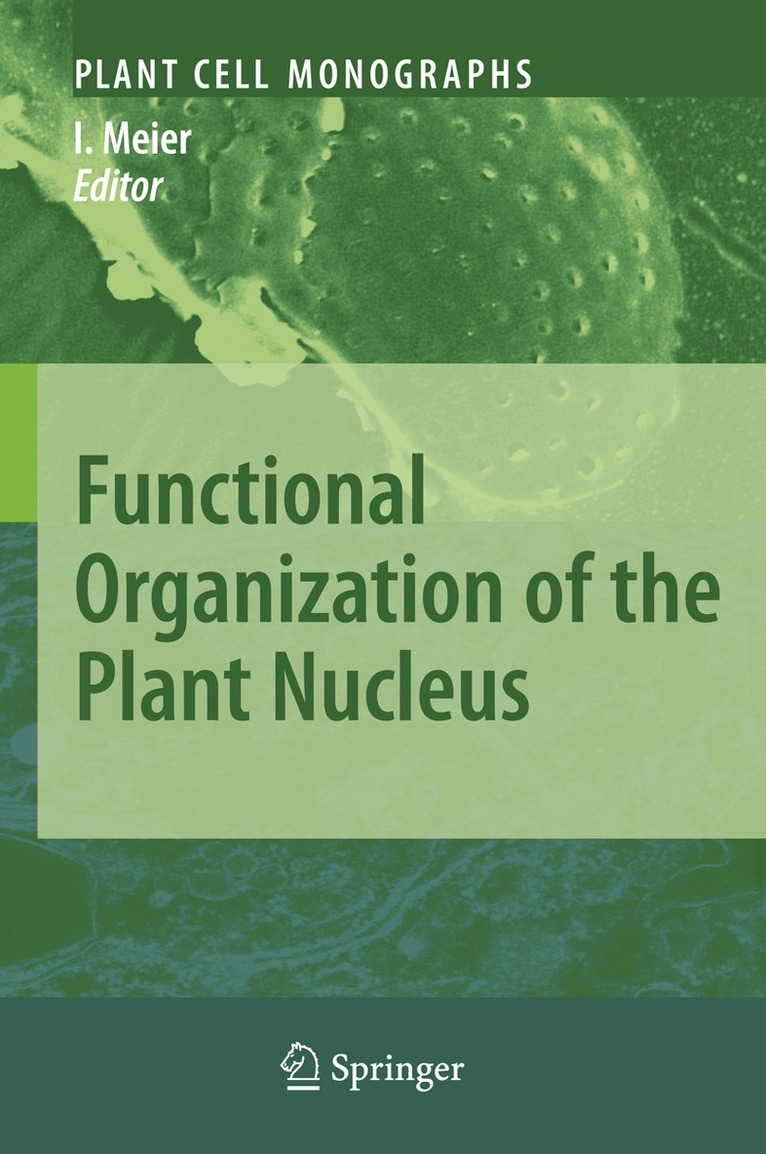
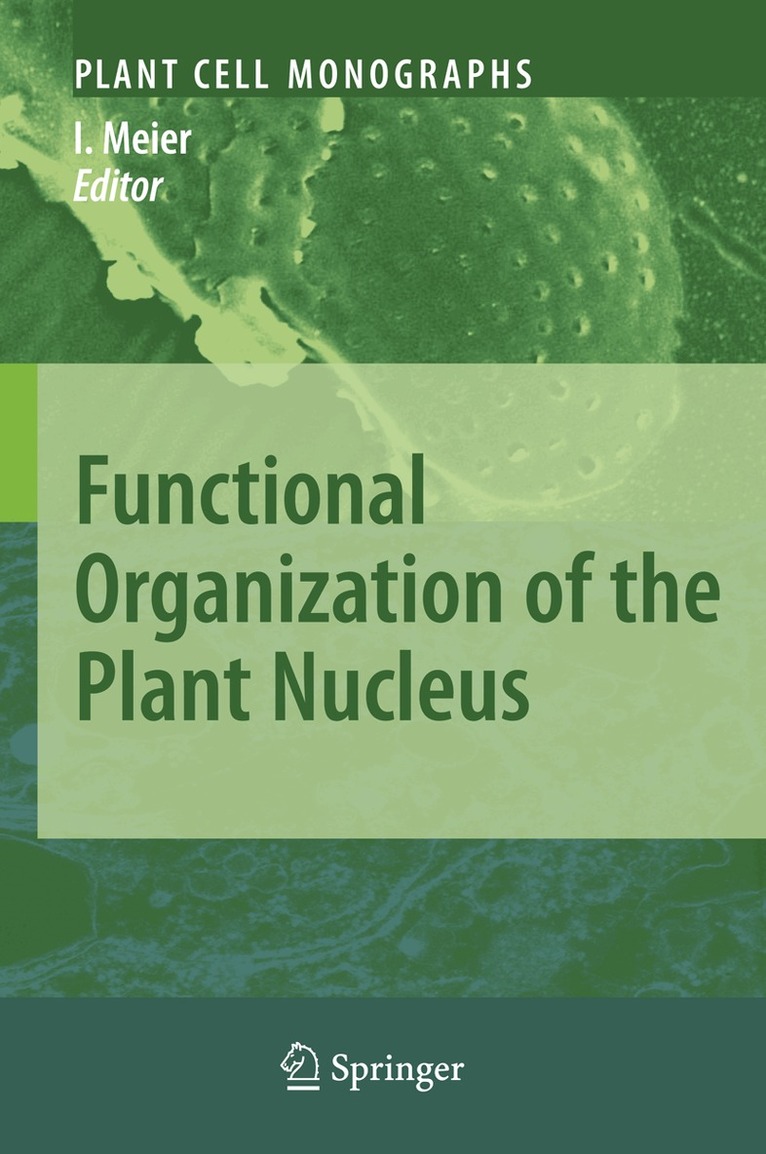
    Functional Organization of the Plant Nucleus

    AvIris Meier

    E-bok
    PDF, Engelska, 2008

    2 044 kr

    Läs direkt i Bokus Reader – eller ladda ned till din enhet (PDF kräver ofta zoom och scroll på små skärmar).

    Beskrivning

    In a presentation to the Linnean Society of London in November 1831, the Scottish botanist Robert Brown (perhaps better known for his discovery of Brownian motion) mentioned almost as an afterthought that in orchid epidermal cells, a single “circular areola” could be seen, a “nucleus of the cell as perhaps it might be termed.” Thus, the term “nucleus” (from Latin nucleus or nuculeus, “little nut” or kernel) was born for the compartment of the eukaryotic cell that contains the maj- ity of genetic information. One hundred and seventy-seven years later, we know that the nucleus is the site where genetic information is stored in the form of DNA, and where it is protected from damage, duplicated, divided, recombined, repaired, and “expressed.” For the latter, the genetic information is faithfully transcribed from DNA to RNA, then released from the nucleus into the surrounding cytoplasm. Most likely translated into polypeptide chains, the information re-enters the nucleus in the form of diverse proteins that function in the processes listed above.

    Produktinformation

    • Utgivningsdatum:2008-12-16
    • Språk:Engelska
    • Filformat:PDF
    • Kopieringsskydd:LCP
    • ISBN:9783540710585
    • Förlag:Springer Berlin Heidelberg

    Utforska kategorier

    • Biovetenskap inom Naturvetenskap och teknik
    • Biokemi inom Naturvetenskap och teknik
    • Biologi inom Naturvetenskap och teknik