• Fri frakt över 249 kr
  • •
  • Snabba leveranser
  • •
  • Billiga böcker
Kundservice

Du är på sajten för privatpersoner.

Företag, bibliotek eller offentlig verksamhet?

Du handlar på classic.bokus.com, där alla dina funktioner finns intakta.
Till classic.bokus.com
Bokus logotyp. Gå till startsidan.
  • Erbjudanden
  • Nyheter
  • Student
  • Topplistor
  • Barn & ungdom
  • Bokus Play
  • E-böcker
  • Pocketböcker
  • Spel & pussel

10% rabatt på allt med kod: NYSTART10 →

Sidfot

Mina sidor

    Hjälp

    • Kundservice
    • Vanliga frågor och svar
    • Frakt och leverans
    • Retur vid ångerrätt
    • Reklamera vara
    • Betalning
    • Köpvillkor
    • Allmänna villkor
    • Information om webbplatsens tillgänglighet

    Om Bokus

    • Om oss
    • Pressrum
    • För studenter
    • För företag
    • För bibliotek och offentlig verksamhet
    • För leverantörer
    • Hållbarhet

    Populärt

    • Aktuella erbjudanden
    • Presentkort
    • Studentlitteratur
    • Nya böcker
    • Topplistor
    • Signerade böcker
    • Engelska böcker

    Inspiration

    • Boktips
    • BookTok
    • Populära bokserier
    • Barnbokskaraktärer
    • Populära författare
    Logotyp för Bokus
    Följ oss på Facebook (extern länk)Följ oss på Instagram (extern länk)Följ oss på YouTube (extern länk)Följ oss på TikTok (extern länk)
    bokus @ CookiesAnpassa cookiesIntegritetspolicyKöpvillkor
    Till Citymail hemsida (extern länk)Till Budbee hemsida (extern länk)Till Postnord hemsida (extern länk)Till Schenker hemsida (extern länk)Till Early Bird hemsida (extern länk)Till Walleys hemsida (extern länk)
    1. Samhälle och politik
    2. Politik och statsskick
    3. Politiska ideologier och rörelser
    4. Högerradikalism och högerextremism

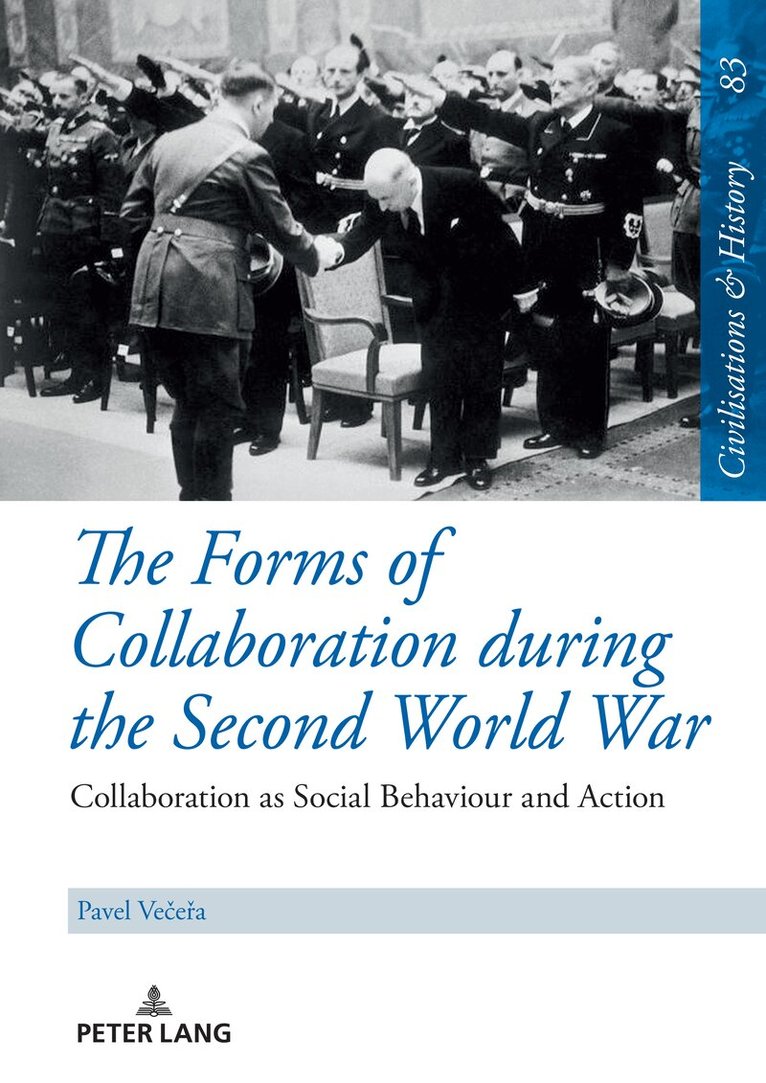
    Forms of Collaboration during the Second World War

    Collaboration as Social Behaviour and Action

    AvPavel Večeřa,Uwe Puschner

    Inbunden, Engelska, 2024

    Del 83 i serien Zivilisationen und Geschichte / Civilizations and History / Civilisations et Histoire

    556 kr

    Beställningsvara. Skickas inom 5-8 vardagar. Fri frakt över 249 kr.

    Beskrivning

    This book aims to present a theoretical study of the concept of collaboration during the Second World War, understood as social behaviour and actions within specific conditions of military occupation. It is based on the theories of social behaviour and action developed by Max Weber and the theory of action by Pierre Bourdieu. The book seeks to elucidate the concept of collaboration, the conditions fostering this phenomenon, and positions it within the broader context of cooperation under occupation. Through typological analysis, it provides a comprehensive assessment of various forms of collaboration, considering the motivations of the actors involved. Theoretical types of collaboration, as idealized constructions, will facilitate a deeper understanding of the motivations behind the social behaviour and actions of specific collaborating individuals.

    Produktinformation

    • Utgivningsdatum:2024-07-09
    • Mått:148 x 210 x 16 mm
    • Vikt:449 g
    • Format:Inbunden
    • Språk:Engelska
    • Serie:Zivilisationen und Geschichte / Civilizations and History / Civilisations et Histoire
    • Antal sidor:224
    • Förlag:Peter Lang AG
    • ISBN:9783631916230

    Utforska kategorier

    • Högerradikalism och högerextremism inom Samhälle och politik
    • Andra världskriget inom Historia och arkeologi
    • Sociala och etiska frågor inom Samhälle och politik

    Mer om författaren

    PhDr. Pavel Večeřa, Ph.D., studied history at the Faculty of Arts of Masaryk University (MU) in Brno (1988–1993) and later completed his postgraduate doctoral studies at the Faculty of Social Studies (FSS) of MU (1997–2001). Since 2002 he has been an assistant professor at the Department of Media Studies and Journalism at the FSS.

    Innehållsförteckning

    • Brief profile - Acknowledgments and dedication – Summary – Zusammenfassung – Résumé - Table of contents – Foreword - Theoretical context – Methodology - Collaboration with the occupying power – Conclusion – Sources - Index