• Fri frakt över 249 kr
  • •
  • Snabba leveranser
  • •
  • Billiga böcker
Kundservice

Du är på sajten för privatpersoner.

Företag, bibliotek eller offentlig verksamhet?

Du handlar på classic.bokus.com, där alla dina funktioner finns intakta.
Till classic.bokus.com
Bokus logotyp. Gå till startsidan.
  • Erbjudanden
  • Nyheter
  • Student
  • Topplistor
  • Barn & ungdom
  • Bokus Play
  • E-böcker
  • Pocketböcker
  • Spel & pussel

10% studentrabatt med kod TERM26

Sidfot

Mina sidor

    Hjälp

    • Kundservice
    • Vanliga frågor och svar
    • Frakt och leverans
    • Retur vid ångerrätt
    • Reklamera vara
    • Betalning
    • Köpvillkor
    • Allmänna villkor
    • Information om webbplatsens tillgänglighet

    Om Bokus

    • Om oss
    • Pressrum
    • För studenter
    • För företag
    • För bibliotek och offentlig verksamhet
    • För leverantörer
    • Hållbarhet

    Populärt

    • Aktuella erbjudanden
    • Presentkort
    • Studentlitteratur
    • Nya böcker
    • Topplistor
    • Signerade böcker
    • Engelska böcker

    Inspiration

    • Boktips
    • BookTok
    • Populära bokserier
    • Barnbokskaraktärer
    • Populära författare
    Logotyp för Bokus
    Följ oss på Facebook (extern länk)Följ oss på Instagram (extern länk)Följ oss på YouTube (extern länk)Följ oss på TikTok (extern länk)
    bokus @ CookiesAnpassa cookiesIntegritetspolicyKöpvillkor
    Till Citymail hemsida (extern länk)Till Budbee hemsida (extern länk)Till Postnord hemsida (extern länk)Till Schenker hemsida (extern länk)Till Early Bird hemsida (extern länk)Till Walleys hemsida (extern länk)
    1. Filosofi och religion
    2. Religion och tro
    3. Religion: allmänt

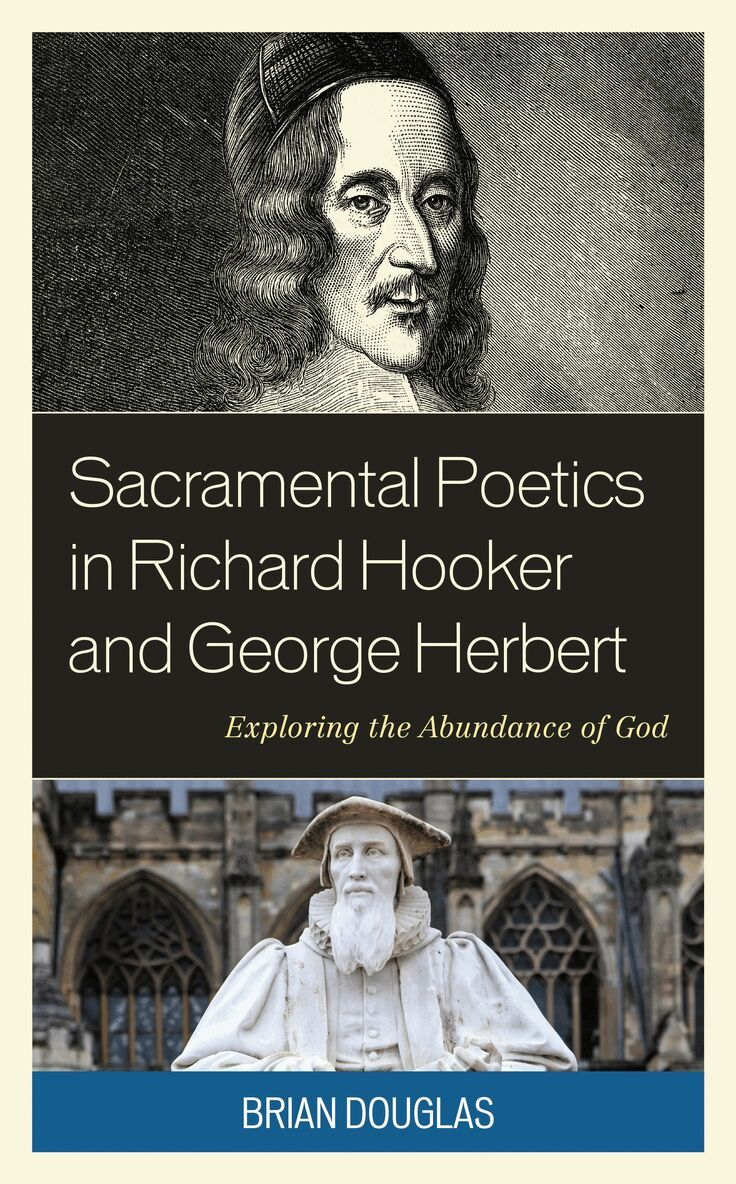
    Herbert Thorndike and the Restoration of the Church of England

    AvBrian Douglas

    Häftad, Engelska, 2025

    Del 14 i serien Anglican-Episcopal Theology and History

    967 kr

    Beställningsvara. Skickas inom 3-6 vardagar. Fri frakt över 249 kr.

    Beskrivning

    The Caroline theologian Herbert Thorndike (1598-1672) was significant before and after the seventeenth-century Restoration of the Church of England. Thorndike’s theological methodology engaged with ecclesiology, the government and ministry of the Church of England, the Eucharist and the Book of Common Prayer. This book features Thorndike’s significant reflection on eucharistic theology, based on ancient realist models but recast for the present. The book argues that Thorndike’s theological methodology was useful in its own time but also has currency for Anglican and ecumenical theology discourse, particularly in relation to ecclesiology, eucharistic theology and liturgical theology and practice.
    Produktinformation

    • Utgivningsdatum:2025-08-21
    • Mått:155 x 235 x 17 mm
    • Vikt:502 g
    • Format:Häftad
    • Språk:Engelska
    • Serie:Anglican-Episcopal Theology and History
    • Antal sidor:284
    • Förlag:Brill
    • ISBN:9789004737969

    Utforska kategorier

    • Religion: allmänt inom Filosofi och religion
    • Kristendom inom Filosofi och religion

    Mer om författaren

    Brian Douglas, PhD (2006) University of Newcastle, Australia, is an and Anglican priest and Research Professor at the Australian Centre for Christianity and Culture, Charles Sturt University, Canberra, Australia. He has published several monographs and peer-reviewed articles on Anglican eucharistic theology.

    Innehållsförteckning

    • ContentsAcknowledgementsReferencing of Thorndike’s Work in This BookAbbreviations Used in This Book for Referencing Thorndike’s Works1 Introduction1.1 Starting at the End of Thorndike’s Life: His Burial Place1.2 Restoration of the Church of England?1.3 Thorndike’s Theological Works1.4 Scholarship on Thorndike1.5 Antiquity and the Present1.6 The Method of This Book1.7 The Plan of This Book2 Who Was Herbert Thorndike?2.1 Thorndike’s Early Life2.2 University of Cambridge2.3 A Time of Deprivation2.4 Restoration of the Church of England2.5 Westminster Abbey2.6 Thorndike’s Final Days2.7 Thorndike the Man3 Thorndike’s Terminology of the Eucharist3.1 Eucharist or Thanksgiving3.2 Eucharist as a Sacrifice of Praise and Thanksgiving3.3 Eucharist as Covenant3.4 The Supper of the Lord, the Sacrament of the Supper and the Breaking of the Bread3.5 Sacramentum3.6 The Mass3.7 Communion3.8 Liturgy4 Scripture, Reason and Tradition in Thorndike’s Works4.1 Richard Hooker and Herbert Thorndike4.2 Richard Hooker, His Laws and Thorndike4.3 Thorndike and Scripture4.4 Thorndike and Reason4.5 Thorndike and Tradition5 The Elements and the Body and Blood of Christ5.1 The Elements Central to Consecration5.2 The Natural Substances of the Elements Remain after Consecration5.3 Change in the Elements by Consecration5.4 The Worship of Christ in the Signs Is Not Idolatry5.5 Thorndike Rejects Transubstantiation, Memorialism, Calvinism and Consubstantiation6 Eucharistic Sacrifice6.1 Introduction6.2 In What Sense Does Thorndike See the Eucharist as a Sacrifice?6.3 The Eucharist as a Sacrifice or Oblation Propitiatory and Impetratory6.4 The Eucharist as the Sacrifice of Christ on the Cross6.5 The Eucharist as a Living Sacrifice of the Self6.6 The Breaking, Pouring, Distributing and Eating are in the Nature of a Sacrifice6.7 Consent of the Catholic Church to the Propitiatory Sacrifice in the Eucharist7 The Power of the Church in a Restored Church of England7.1 Bishops and Presbyters/Priests and the Power of the Keys7.2 The Power of the Church to Refuse Communion7.3 The Power of the Church to Determine the Frequency of the Eucharistic Celebration8 The Eucharist and the Book of Common Prayer in the Restored Church of England8.1 Thorndike Prefers the Book of Common Prayer of 15498.2 The Forgiveness of Sins and the Placement of the Absolution in the BCP8.3 The BCP Expresses Thanksgiving for and Blessing of God’s Creation and Creatures8.4 The Elements are Not for Receiving Alone8.5 The Eucharist in the BCP Is Properly Called the Liturgy8.6 The Eucharist in the BCP Is Intended to be Celebrated Regularly8.7 Liturgical Revision of the BCP Suggested by Thorndike8.8 The Eucharist as the Place for Instruction of the People8.9 Thorndike Opposes the Use of the Decalogue in the Eucharist8.10 Revision of the Prayer of Consecration to Make a More Expanded Thanksgiving with a Statement of Oblation8.11 Thorndike Prefers a Set Form of Intercession Rather Than Free Prayer8.12 The Memorial of the Dead in the Eucharist8.13 The BCP More Than an Equivocation of Words9 Early Interpreters of Thorndike and His Theological Methodology9.1 Hamon L’Estrange (1605–1660)9.2 Henry More (1614–1687)9.3 William Falkner (d. 1682)9.4 George Hickes (1642–1715)9.5 Daniel Waterland (1683–1740)9.6 The Nonjurors9.7 Richard Baxter (1615–1691)10 Nineteenth Century Interpreters of Thorndike and his Theological Methodology10.1 Edward Pusey (1800–1882)10.2 John Keble (1792–1866)10.3 John Henry Newman (1801–1890)10.4 William Goode (1801–1868)11 Twentieth and Twenty-First Century Interpreters of Thorndike and His Theological Methodology11.1 Thomas Lacey11.2 George Addleshaw (1906–1982)11.3 Clifford Dugmore (1909–1990)11.4 Richard F. Buxton11.5 Henry McAdoo (1916–1998) and Kenneth Stevenson (1949–2011)11.6 Bryan Spinks11.7 Paul Avis11.8 Kenneth Fincham and Nicholas Tyacke11.9 David J. Kennedy11.10 Mark Langham (1960–2021)11.11 Jean-Louis Quantin11.12 Conclusion: Thorndike and Interpreters12 Evaluating Thorndike and His Theological Methodology12.1 Introduction12.2 Thorndike, Toleration and Exclusive Attitudes12.3 Antiquity, the Fathers and the Caroline Divines in the Anglican Tradition12.4 Antiquity and the Present: Thorndike’s Methodology12.5 Thorndike and Truth as Incarnation and Eucharistic Repetition12.6 Thorndike and Modern Liturgical Revision12.7 ConclusionBibliographyIndex