• Fri frakt över 249 kr
  • •
  • Snabba leveranser
  • •
  • Billiga böcker
Kundservice

Du är på sajten för privatpersoner.

Företag, bibliotek eller offentlig verksamhet?

Du handlar på classic.bokus.com, där alla dina funktioner finns intakta.
Till classic.bokus.com
Bokus logotyp. Gå till startsidan.
  • Erbjudanden
  • Nyheter
  • Student
  • Topplistor
  • Barn & ungdom
  • Bokus Play
  • E-böcker
  • Pocketböcker
  • Spel & pussel

10% rabatt på allt med kod NYSTART10 →

Sidfot

Mina sidor

    Hjälp

    • Kundservice
    • Vanliga frågor och svar
    • Frakt och leverans
    • Retur vid ångerrätt
    • Reklamera vara
    • Betalning
    • Köpvillkor
    • Allmänna villkor
    • Information om webbplatsens tillgänglighet

    Om Bokus

    • Om oss
    • Pressrum
    • För studenter
    • För företag
    • För bibliotek och offentlig verksamhet
    • För leverantörer
    • Hållbarhet

    Populärt

    • Aktuella erbjudanden
    • Presentkort
    • Studentlitteratur
    • Nya böcker
    • Topplistor
    • Signerade böcker
    • Engelska böcker

    Inspiration

    • Boktips
    • BookTok
    • Populära bokserier
    • Barnbokskaraktärer
    • Populära författare
    Logotyp för Bokus
    Följ oss på Facebook (extern länk)Följ oss på Instagram (extern länk)Följ oss på YouTube (extern länk)Följ oss på TikTok (extern länk)
    bokus @ CookiesAnpassa cookiesIntegritetspolicyKöpvillkor
    Till Citymail hemsida (extern länk)Till Budbee hemsida (extern länk)Till Postnord hemsida (extern länk)Till Schenker hemsida (extern länk)Till Early Bird hemsida (extern länk)Till Walleys hemsida (extern länk)
    1. Ekonomi och Ledarskap
    2. Nationalekonomi
    3. Internationell ekonomi

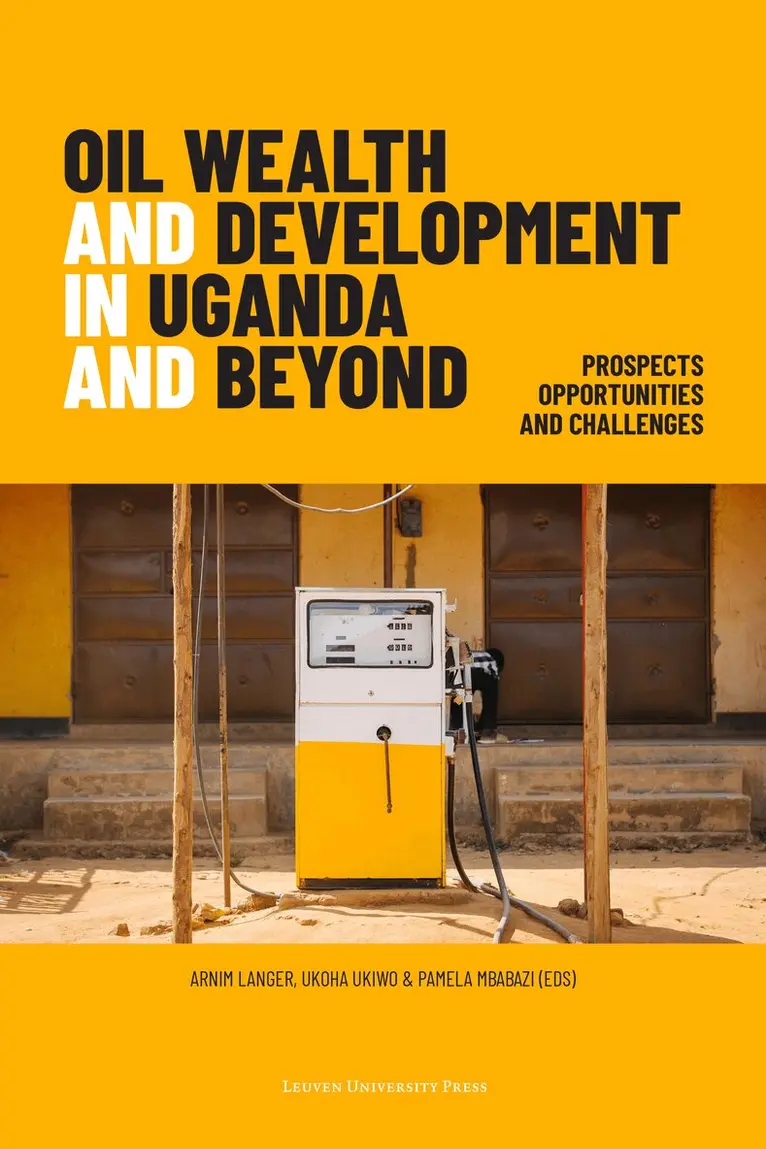
    Oil Wealth and Development in Uganda and Beyond

    Prospects, Opportunities and Challenges

    AvArnim Langer,Ukoha Ukiwo

    Häftad, Engelska, 2020

    535 kr

    Beställningsvara. Skickas inom 5-8 vardagar. Fri frakt över 249 kr.

    Beskrivning

    Large quantities of oil were discovered in the Albertine Rift Valley in Western Uganda in 2006. The sound management of these oil resources and revenues is undoubtedly one of the key public policy challenges for Uganda as it is for other African countries with large oil and/or gas endowments. With oil expected to start flowing in 2021, the current book analyzes how this East African country is preparing for the challenge of effectively, efficiently, and transparently managing its oil sector and resources. Adopting a multidisciplinary, comprehensive, and comparative approach, the book identifies a broad scope of issues that need to be addressed in order for Uganda to realize the full potential of its oil wealth for national economic transformation. Predominantly grounded in local scholarship and including chapters drawing on the experiences of Nigeria, Ghana, and Kenya, the book blazes a trail on governance of African oil in an era of emerging producers. Oil Wealth and Development in Uganda and Beyond will be of great interest to social scientists and economic and social policy makers in oil producing countries. It is suitable for course adoption across such disciplines as International/Global Affairs, Political Economy, Geography, Environmental Studies, Economics, Energy Studies, Development, Politics, Peace, Security and African Studies.Ebook available in Open Access. This publication is GPRC-labeled (Guaranteed Peer-Reviewed Content).Contributors: Badru Bukenya (Makerere University), Moses Isabirye (Busitema University), Wilson Bahati Kazi (Uganda Revenue Authority), Corti Paul Lakuma (Economic Policy Research Centre), Joseph Mawejje (Economic Policy Research Centre), Pamela Mbabazi (Uganda National Planning Authority), Martin Muhangi (independent researcher), Roberts Muriisa (Mbarara University of Science and Technology), Chris Byaruhanga Musiime (independent researcher), Germano Mwabu (University of Nairobi), Jackson A. Mwakali (Makerere University), Tom Owang (Mbarara University of Science and Technology), Joseph Oloka-Onyango (Makerere University), Peter Quartey (University of Ghana), Peter Wandera (Transparency International Uganda), Kathleen Brophy (Transparency International Uganda), Jaqueline Nakaiza (independent researcher), Babra Beyeza (independent researcher), Jackson Byaruhanga (Bank of Uganda), Emmanuel Abbey (University of Ghana).

    Produktinformation

    • Utgivningsdatum:2020-01-07
    • Mått:156 x 234 x 20 mm
    • Vikt:600 g
    • Format:Häftad
    • Språk:Engelska
    • Antal sidor:394
    • Förlag:Leuven University Press
    • ISBN:9789462702004

    Utforska kategorier

    • Internationell ekonomi inom Ekonomi och Ledarskap
    • Lantbruk, fiske och skogsbruk inom Ekonomi och Ledarskap

    Mer om författaren

    Ukoha Ukiwo is a senior lecturer at the Department of Political and Administrative Studies, University of Port Harcourt.

    Recensioner i media

    Seventeen papers analyze how Uganda is planning to deal with the challenge of effectively, efficiently, and transparently managing its oil sector and resources, examining the institutional, legal, fiscal,environmental, social, macroeconomic, political, and financial dimensions of the Ugandan oil governance regime. Papers discuss the “resource curse” of economic, social, and political challenges experienced by countries rich in oil, gas, and other minerals; the role and functioning of the main formal institutions established to manage, oversee, and regulate Uganda’s oil exploration, development, and revenue management; Uganda’s legal-regulatory oil regime and its leeway for abuse and misappropriation; the opportunities for revenue mismanagement in Uganda’s standard oil revenue chain; the dynamics of deal making between the Government of Uganda and international oil companies, as well as the strategies employed by the government to remain in charge of the oil sector; Uganda’s macroeconomic management regime and the fiscal rules the Government of Uganda has put in place to achieve a balance between spending and saving; the opportunities that the oil revenues offer with regard to social development; the certainty and stability of Uganda’s oil fiscal regime; human resource challenges and opportunities facing Uganda’s emerging oil sector; the main environmental issues linked to oil development and the adequacy of the existing environmental regulatory systems in regulating potential problems associated with the upstream oil and gas activities in Uganda; the processes of land grabbing as a result of oil exploration and exploitation in Uganda; the expectations of Ugandans concerning their country’s oil and gas resources and the extent to which the government and the oil companies have managed these expectations appropriately; the emergent social tensions and conflicts linked to the advent of oil exploration and exploitation in Uganda; challenges and policies linked to Nigeria’s oil governance regime; challenges and policies linked to Ghana’s oil governance regime; challenges and policies linked to Kenya’s oil governance regime; and the effectiveness and soundness of Uganda’s oil governance regime. 2021. "Annotated Listing of New Books." Journal of Economic Literature, 59 (1): 297-371. DOI: 10.1257/jel.59.1.297

    Innehållsförteckning

    • List of Figures List of Tables Foreword Preface 1. Oil Wealth and Development in Uganda and Beyond: Prospects, Opportunities and Challenges Arnim Langer, Ukoha Ukiwo and Pamela MbabaziPart I — Institutional and Regulatory Framework, Policies and Challenges2. Uganda’s Oil Governance Institutions: Fit for Purpose? Pamela Mbabazi and Martin Muhangi3. Courting the Oil Curse or Playing by the Rules? An Analysis of the Legal and Regulatory Framework Governing Oil in Uganda J. Oloka-Onyango4. Keeping Corruption in Check in Uganda’s Oil Sector? Uganda’s Challenge to Let Everybody Eat, and Not Just the Lucky Few Kathleen Brophy and Peter Wandera5. Closed but Ordered : How the Political Settlement Shapes Uganda’s Deals with International Oil Companies Badru Bukenya and Jaqueline NakaizaPart II — Macroeconomic and Fiscal Framework, Policies and Challenges6. Oil Wealth in Uganda: Analysis of the Macroeconomic Policy Framework Corti Paul Lakuma7. Oil Revenues and Social Development in Uganda Joseph Mawejje8. Getting a Good Deal? An Analysis of Uganda’s Oil Fiscal Regime Wilson Bahati Kazi9. Human Resources and Oil in Uganda : An Analysis of Uganda’s Human Resource Development for the Oil Sector Jackson A. Mwakali and Jackson N.M. ByaruhangaPart III — Other Major Governance Polices and Challenges10. Environmental Sustainability : An Afterthought or a Key Objective for Uganda’s Oil Sector? Moses Isabirye11. Land Grabbing in the Albertine Graben : Implications for Women’s Land Rights and the Oil Industry in Uganda Roberts K. Muriisa and Specioza Twinamasiko12. Expecting Eldorado? An Analysis of Ugandans’ Expectations of Their Country’s Oil Wealth Byaruhanga Musiime Chris13. The Management of Social Tensions and Community Grievances in the Albertine Region of Uganda Tom OgwangPart IV — International Comparison14. Nigeria’s Oil Governance Regime: Challenges and Policies Ukoha Ukiwo15. Ghana’s Oil Governance Regime: Challenges and Policies Peter Quartey and Emmanuel Abbey16. Kenya’s Oil Governance Regime: Challenges and Policies Germano MwabuPart V — A Way Forward17. Oil Wealth and Development in Uganda and Beyond: Conclusions and Policy Recommendations Ukoha Ukiwo, Pamela Mbabazi, and Arnim LangerIllustration Credits About the authors