• Fri frakt över 249 kr
  • •
  • Snabba leveranser
  • •
  • Billiga böcker
Kundservice

Du är på sajten för privatpersoner.

Företag, bibliotek eller offentlig verksamhet?

Du handlar på classic.bokus.com, där alla dina funktioner finns intakta.
Till classic.bokus.com
Bokus logotyp. Gå till startsidan.
  • Erbjudanden
  • Student
  • Topplistor
  • Barn & ungdom
  • Bokus Play
  • E-böcker
  • Ljudböcker
  • Pocketböcker
  • Spel och pussel

Upp till 25% på utvalda nyheter →

Sidfot

Mina sidor

    Hjälp

    • Kundservice
    • Vanliga frågor och svar
    • Frakt och leverans
    • Retur vid ångerrätt
    • Reklamera vara
    • Betalning
    • Köpvillkor
    • Allmänna villkor
    • Information om webbplatsens tillgänglighet

    Om Bokus

    • Om oss
    • Pressrum
    • För studenter
    • För företag
    • För bibliotek och offentlig verksamhet
    • För leverantörer
    • Hållbarhet

    Populärt

    • Aktuella erbjudanden
    • Presentkort
    • Studentlitteratur
    • Nya böcker
    • Topplistor
    • Signerade böcker
    • Engelska böcker

    Inspiration

    • Boktips
    • BookTok
    • Barnbokskaraktärer
    • Populära författare
    Logotyp för Bokus
    Följ oss på Facebook (extern länk)Följ oss på Instagram (extern länk)Följ oss på YouTube (extern länk)Följ oss på TikTok (extern länk)
    bokus @ CookiesAnpassa cookiesIntegritetspolicyKöpvillkor
    Till Citymail hemsida (extern länk)Till Budbee hemsida (extern länk)Till Postnord hemsida (extern länk)Till Schenker hemsida (extern länk)Till Early Bird hemsida (extern länk)Till Walleys hemsida (extern länk)
    1. Samhälle och politik
    2. Samhälle och kultur
    3. Kultur och medier
    4. Referensverk och tvärvetenskap

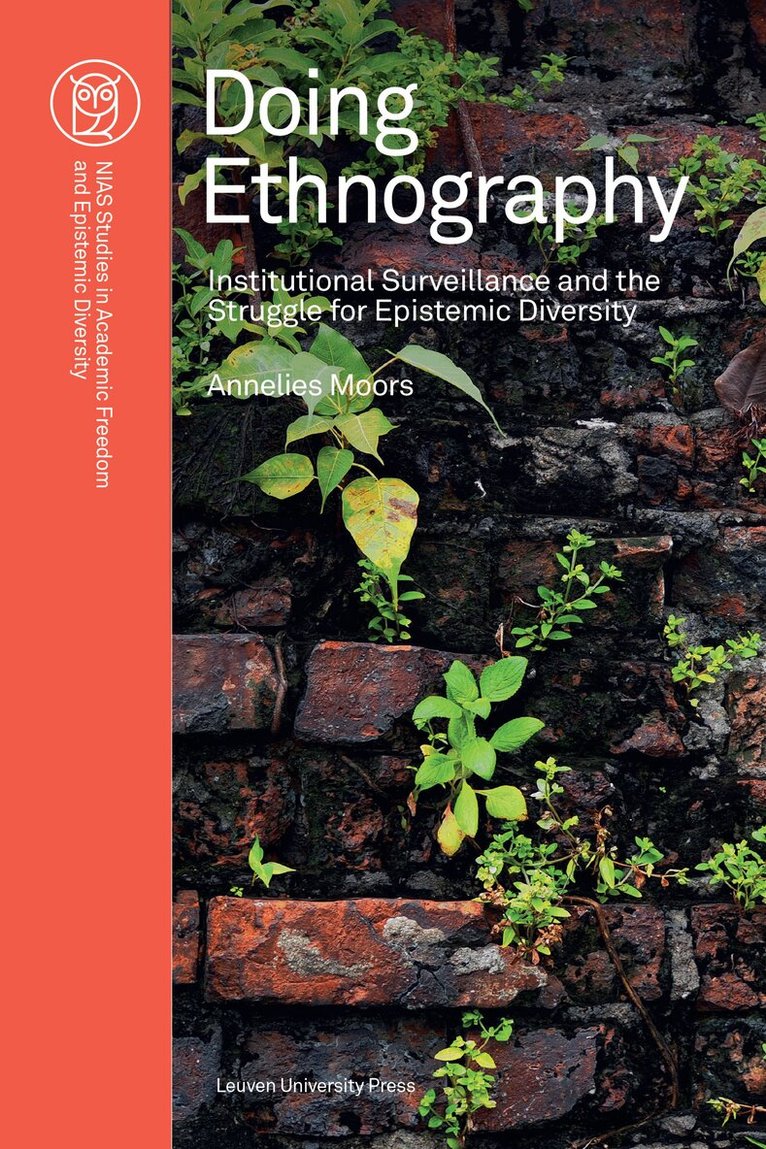
    Doing Ethnography

    Institutional Surveillance and the Struggle for Epistemic Diversity

    AvAnnelies Moors

    Inbunden, Engelska, 2026

    725 kr

    Beställningsvara. Skickas inom 5-8 vardagar. Fri frakt över 249 kr.

    Beskrivning

    Timely critique of the expanding institutional control over academic research and its impact on ethnographic practice.In recent decades, academic research has come under increasing institutional surveillance and control. Doing Ethnography traces the rise of ethical review procedures, open science mandates, and integrity protocols, examining how these developments shape ethnographic practice. It critically explores key themes such as doing no harm, informed consent, transparency, anonymity, researcher positionality, and the sharing of field notes.The book argues that contemporary academia often enforces universal, bureaucratic forms of regulatory ethics. Rooted in quantitative and (post-)positivist paradigms, these frameworks frequently clash with ethnography’s interpretive, intersubjective, and immersive fieldwork approach. In response, it calls for a situated, context-sensitive ethics of care attuned to the specificities of ethnographic engagement. Ultimately, Doing Ethnography offers both a critical reflection on institutional power and a plea to recognise and sustain the epistemic diversity on which academic freedom depends.Listen to the 'Room to Explore' episode with Annelies Moors: Spotify.

    Produktinformation

    • Utgivningsdatum:2026-02-03
    • Mått:155 x 233 x 13 mm
    • Vikt:454 g
    • Format:Inbunden
    • Språk:Engelska
    • Antal sidor:184
    • Förlag:Leuven University Press
    • ISBN:9789462705159

    Utforska kategorier

    • Referensverk och tvärvetenskap inom Samhälle och politik
    • Sociologi inom Samhälle och politik
    • Antropologi inom Samhälle och politik

    Mer om författaren

    Annelies Moors is an anthropologist and Professor Emerita at the University of Amsterdam. Most recently she was the principal investigator of the ERC advanced grant ‘Muslim Marriages’ and held the NIAS fellowship ‘The Struggle for the Future of Ethnography’.

    Recensioner i media

    This book rescues research ethics, integrity and transparency from the clutches of an alienated and alienating managerialism and puts them at the heart of a relational ethnographic practice. It is a vital companion for all caring researchers. - Ghassan Hage, University of Melbourne

    Innehållsförteckning

    • AcknowledgementsChapter 1. Beyond an affaire: managing ethnography 1.1. An article and its afterlife: reputation management in action 1.2. Engaging with the trouble: ethnography, academia, and society 1.3. Writing this book: set-up and chaptersChapter 2. Doing ethnography: an approach, not a method 2.1. Ethnography as relational and processual 2.2. Ethnography beyond anthropology 2.3. Ethnography in a changing world 2.4. Conclusion: epistemological pluralityChapter 3. Research ethics: problems with regulation 3.1. Ethical self-regulation in anthropology 3.2. Enforceable ethics: state governance and beyond 3.3. Conclusion: doing ethics differentlyChapter 4. The complexities of doing no harm and informed consent 4.1. Doing no harm: power and ethos 4.2. Informed consent: the forms 4.3. Informed consent: the principle 4.4. Ethnography, concealment, and publication 4.5. Conclusion: ethical dilemmasChapter 5. Open Science and replication: trust, distrust, and transparency 5.1. The Open Science movement: from utopia to dystopia? 5.2. The trouble with transparency 5.3. The replication crisis: what does it mean? 5.4. Ethnography, replication, and openness 5.5. Conclusion: another kind of opennessChapter 6. Constructing integrity: codification in context 6.1. Public scandals and the emergence of integrity codes 6.2. Constructing integrity: comparing the codes 6.3. Policy-making: projectification and integrity 6.4. Conclusion: from ethics to commerceChapter 7. Anonymity, positionality, and field notes: integrity in practice 7.1. Contesting anonymity: a turn to disclosure? 7.2. Positionality and substance: relations in process 7.3. The problem with sharing field notes 7.4. Conclusion: a case-by-case approachChapter 8. Academic freedom: scholarship and politics 8.1. A diversity of perspectives: politicising the academy 8.2. Funding and employment 8.3. External threats and internal harassment 8.4. Israel/Palestine: academic freedom in action 8.5. Conclusion: acting with responsibilityChapter 9. Conclusion: dilemmas and responsibilities 9.1. Ethics, integrity, and power 9.2. Doing ethics and integrity differently 9.3. Academic freedom: ethnography and beyondNotes References