Inbunden, Engelska, 2019
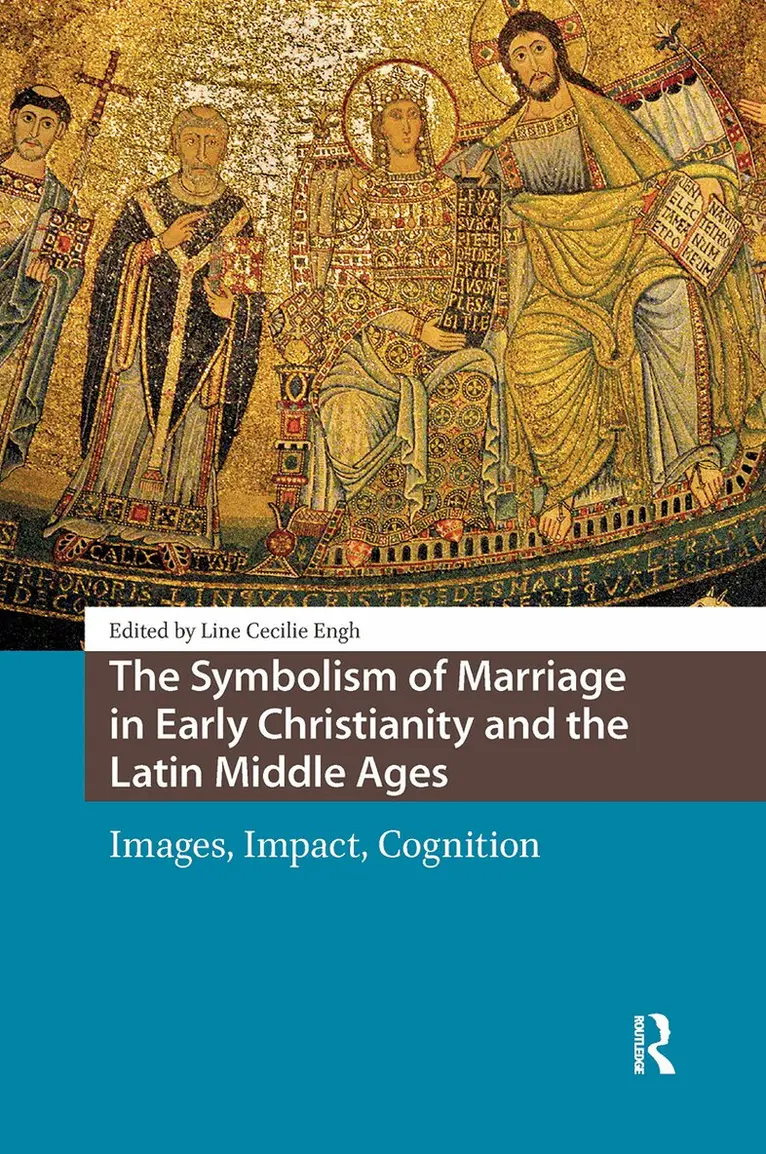
Symbolism of Marriage in Early Christianity and the Latin Middle Ages
Images, Impact, Cognition
Av Line Cecilie Engh, Line Cecilie Engh
Del i serien Knowledge Communities
2114 kr
Beställningsvara. Skickas inom 10-15 vardagar. Fri frakt över 249 kr.
Beskrivning
Produktinformation
- Utgivningsdatum: 2019-11-04
- Mått: 156 x 234 x 21 mm
- Vikt: 700 g
- Format: Inbunden
- Språk: Engelska
- Serie: Knowledge Communities
- Antal sidor: 354
- Upplaga: 0
- Förlag: Amsterdam University Press
- ISBN: 9789462985919
Utforska kategorier
Mer om författaren
Line Cecilie Engh is Associate Professor of History of Ideas at the University of Oslo. She was a fellow at The Norwegian Institute in Rome from 2008 to 2017. She is the author of Gendered Identities in Bernard of Clairvaux’s ‘Sermons on the Song of Songs’: Performing the Bride (2014) and numerous book chapters and articles on monastic and papal writing that focus on rhetoric, hermeneutics, metaphor, gender, and cognition.
Recensioner i media
'This is a very interesting collection of essays on marriage symbolism in written texts and art.'' -David Dawson Vasquez, Marriage, Families & Spirituality , 30/1, 2024, The introduction to this important book points to what cognitive sciences can tell historians about how symbolism works. The exposition of Conceptual Metaphor Theory and Blending Theory (the preferred version of the co-author of the introduction, Mark Turner) deserves close attention from both historians and literary scholars. The potential for interdisciplinary insight is exciting and it may be hoped that much more research will follow along the path Engh has cut.- D. L. d'Avray, The Medieval Review, April 2021, ''These collected essays describe less how biblical and early Christian marriage symbolism influenced Western marriage, and more how it helped medieval people give expression to what is not marriage—including celibacy, virginity, power relations, and church hierarchy. [... T]he book's unifying perspective, namely, blending theory, which has to do with how the human mind fashions its conceptual world by creatively blending concepts that, on the face of it, have little to do with each other, results in giving the whole collection an impressive sense of unity.,- W. Trent Foley, Church History, Davidson College .
Betyg & recensioner
0 recensioner
Inga recensioner tillgängliga.