
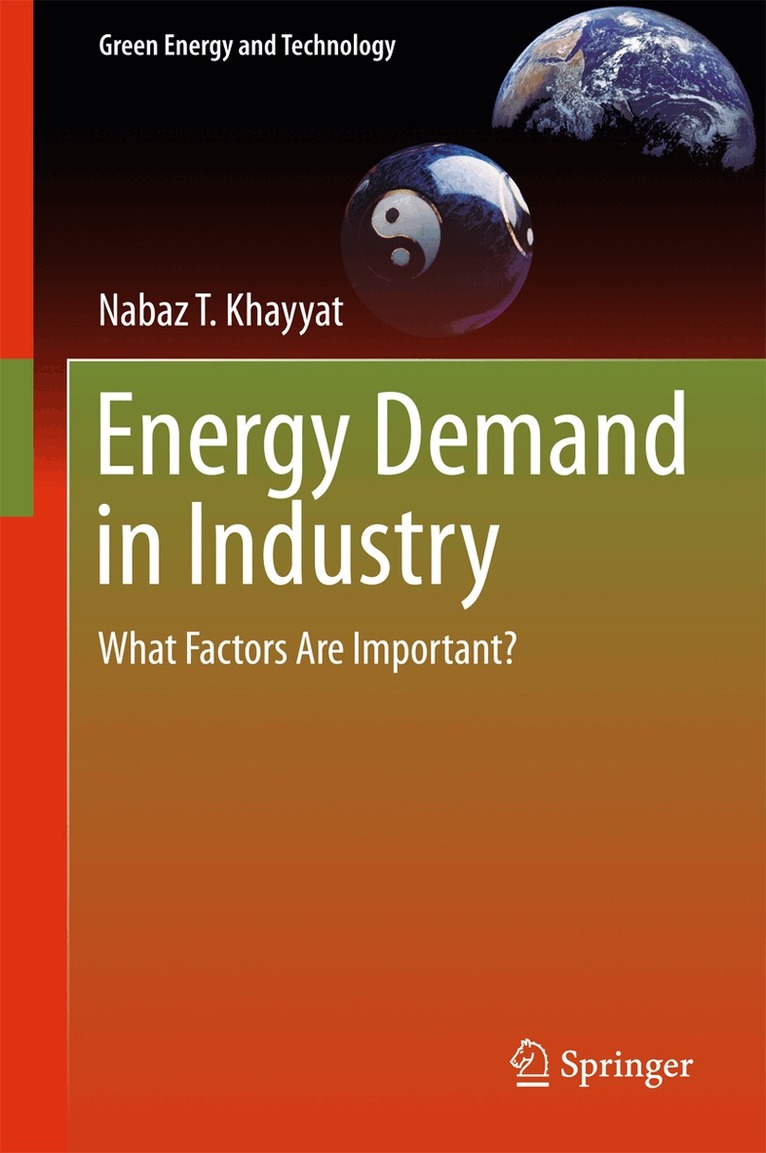
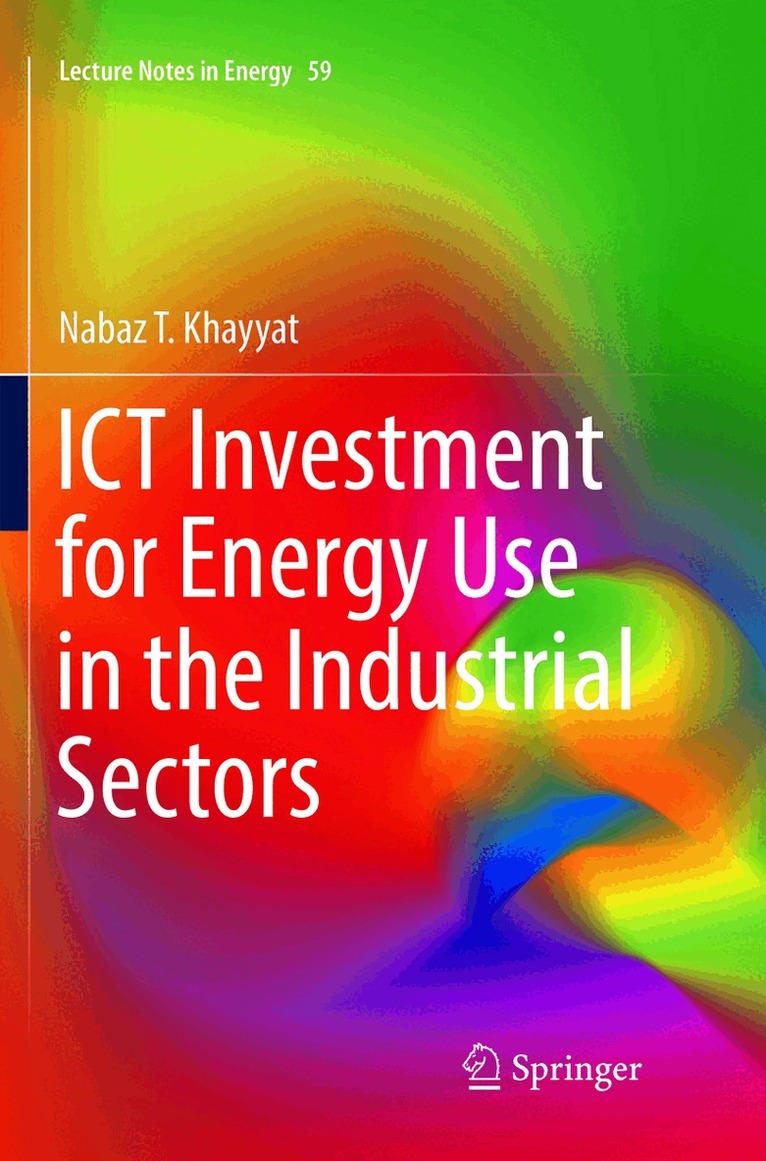
ICT Investment for Energy Use in the Industrial Sectors
1 102 kr
Beställningsvara. Skickas inom 10-15 vardagar. Fri frakt över 249 kr.
Fler format och utgåvor
Beskrivning
This book investigates the impact of production input factors on the market, consumer and producer energy demand characteristics in 30 industrial sectors for South Korea over the period 1980–2009, and for Japan over the period 1973-2006, with special emphasis placed on the effects of ICT investment on the demand for energy. A dynamic factor demand model is developed, accounting for the adjustment costs that are defined in terms of forgone output from current production. It addresses four key aspects of production and energy demand in manufacturing: first, it establishes the various relationships between different factors of production. Second, it investigates whether the energy demand in the industrial sectors in South Korea would be decreased or increased by substituting/complementing with other input factors such as ICT capital and labor. Third, it looks at sources of growth in the industrial sectors through decomposing the Divisia index based total factor productivity (TFP). Finally it provides appropriate policy recommendations based on these findings. The results of this study may provide industrial sectors’ stakeholders and environmental and industrial policy makers with a flexible model that has the capacity to assess outcomes of various policies under certain scenarios. The factor demand methodology described in this book is very advanced and up-to-date. It can be used when teaching advanced graduate courses and in empirically advanced research. Therefore, it is highly relevant in both teaching as a main or supplementary text and in particular as a reference handbook in conducting empirical research. The focus on ICT effects on energy use makes this book an important addition to the existing literature on industrial development.
Produktinformation
Utforska kategorier
Mer om författaren
Innehållsförteckning
Hoppa över listan
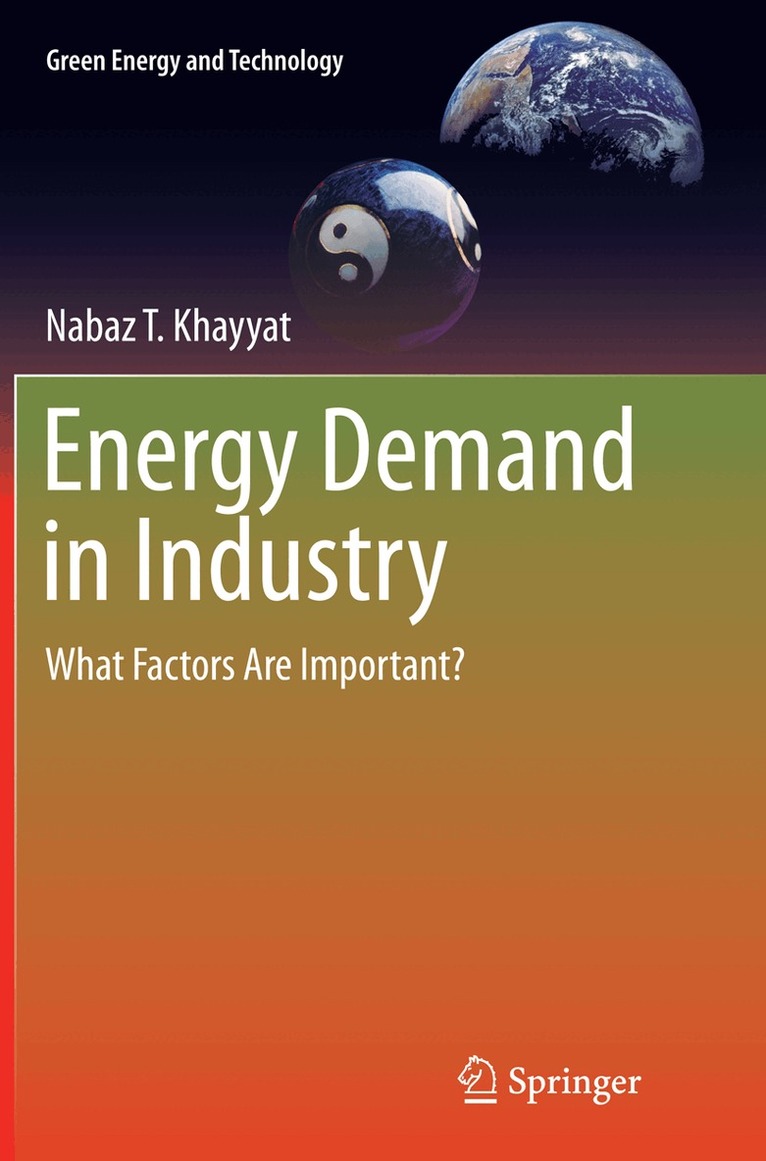



Mer från samma författare
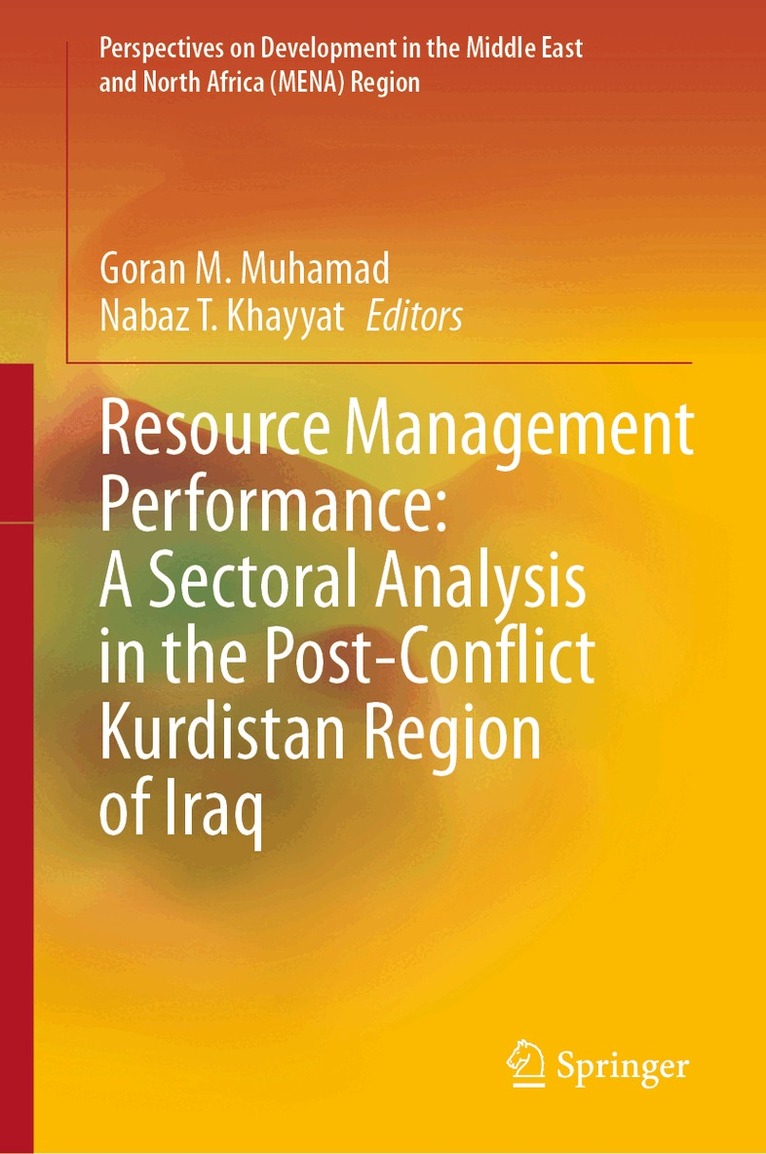
Resource Management Performance: A Sectoral Analysis in the Post-Conflict Kurdistan Region of Iraq
Goran M. Muhamad, Nabaz T. Khayyat
Inbunden, 2024
1 475 kr
Resource Management Performance: A Sectoral Analysis in the Post-Conflict Kurdistan Region of Iraq
Nabaz T. Khayyat, Goran M. Muhamad
E-bok
20241 806 kr
Resource Management Performance: A Sectoral Analysis in the Post-Conflict Kurdistan Region of Iraq
Goran M. Muhamad, Nabaz T. Khayyat
Häftad, 2025
1 475 kr
Empirical Studies of an Internet and Service Based Economy
Nabaz T. Khayyat, Goran M. Muhamad
Inbunden, 2023
2 267 kr
Empirical Studies of an Internet and Service Based Economy
Goran M. Muhamad, Nabaz T. Khayyat
E-bok
20232 956 kr
Empirical Studies of an Internet and Service Based Economy : The Case of the Kurdistan Region of Iraq
Nabaz T. Khayyat, Goran M. Muhamad
672 kr
Empirical Studies of an Internet and Service Based Economy
Nabaz T. Khayyat, Goran M. Muhamad
Häftad, 2024
2 267 kr
Hoppa över listan







Mer från samma serie
Del 4
Del 2
Del 3
Del 5
Reactive Power Management of Power Networks with Wind Generation
Hortensia Amaris, Monica Alonso, Carlos Alvarez Ortega
Inbunden, 2012
1 104 kr
Del 6
Del 7
Del 9
Del 10
Del 11
Del 8
Offshore Drilling Industry and Rig Construction in the Gulf of Mexico
Mark J Kaiser, Brian F Snyder
Inbunden, 2013
1 104 kr
Hoppa över listan

Du kanske också är intresserad av
- 10% rabatt på allt
Empirical Studies of an Internet and Service Based Economy
Goran M. Muhamad, Nabaz T. Khayyat
E-bok
20232 956 kr
Resource Management Performance: A Sectoral Analysis in the Post-Conflict Kurdistan Region of Iraq
Goran M. Muhamad, Nabaz T. Khayyat
Häftad, 2025
1 475 kr
Empirical Studies of an Internet and Service Based Economy
Nabaz T. Khayyat, Goran M. Muhamad
Inbunden, 2023
2 267 kr
Resource Management Performance: A Sectoral Analysis in the Post-Conflict Kurdistan Region of Iraq
Nabaz T. Khayyat, Goran M. Muhamad
E-bok
20241 806 kr
Empirical Studies of an Internet and Service Based Economy
Nabaz T. Khayyat, Goran M. Muhamad
Häftad, 2024
2 267 kr