Inbunden, Engelska, 2021
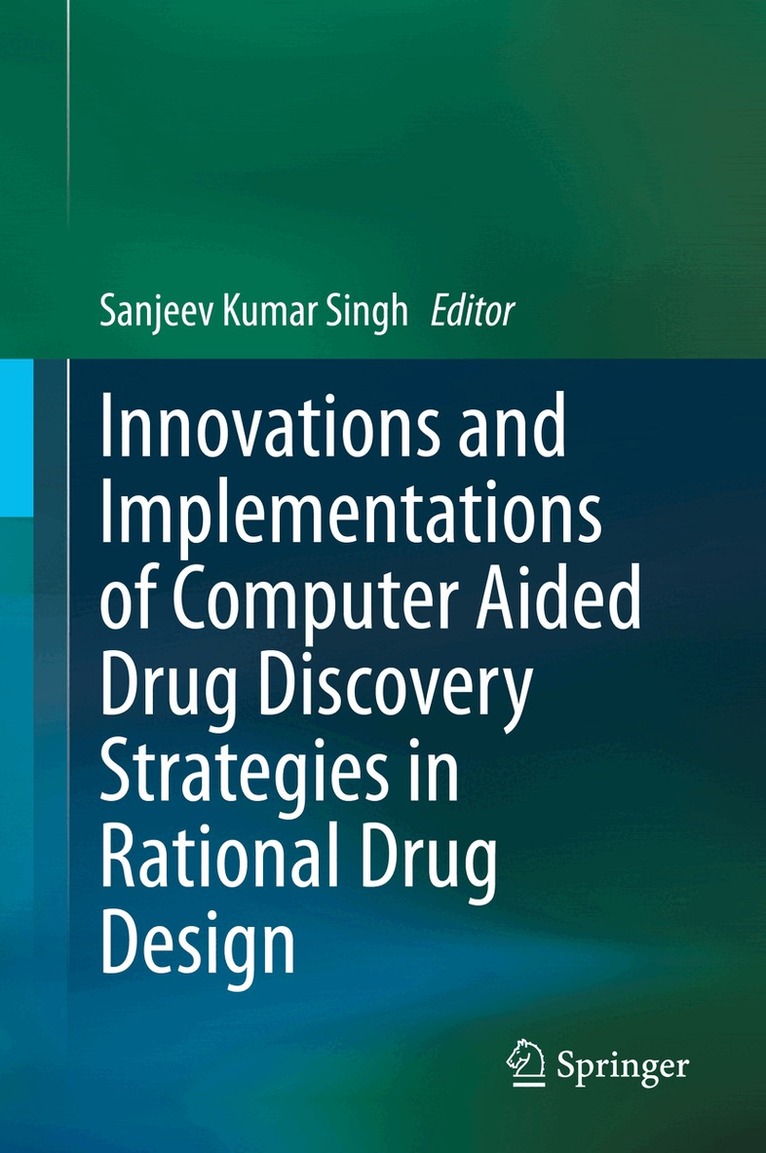
Innovations and Implementations of Computer Aided Drug Discovery Strategies in Rational Drug Design
2734 kr
Beställningsvara. Skickas inom 10-15 vardagar. Fri frakt över 249 kr.
Beskrivning
This book presents various computer-aided drug discovery methods for the design and development of ligand and structure-based drug molecules. A wide variety of computational approaches are now being used in various stages of drug discovery and development, as well as in clinical studies. Yet, despite the rapid advances in computer software and hardware, combined with the exponential growth in the available biological information, there are many challenges that still need to be addressed, as this book shows. In turn, it shares valuable insights into receptor-ligand interactions in connection with various biological functions and human diseases. The book discusses a wide range of phylogenetic methods and highlights the applications of Molecular Dynamics Simulation in the drug discovery process. It also explores the application of quantum mechanics in order to provide better accuracy when calculating protein-ligand binding interactions and predicting binding affinities. In closing, the book provides illustrative descriptions of major challenges associated with computer-aided drug discovery for the development of therapeutic drugs. Given its scope, it offers a valuable asset for life sciences researchers, medicinal chemists and bioinformaticians looking for the latest information on computer-aided methodologies for drug development, together with their applications in drug discovery.
Produktinformation
- Utgivningsdatum: 2021-02-03
- Mått: 155 x 235 x 25 mm
- Vikt: 630 g
- Format: Inbunden
- Språk: Engelska
- Antal sidor: 333
- Förlag: Springer Verlag, Singapore
- ISBN: 9789811589355
Utforska kategorier
Betyg & recensioner
0 recensioner
Inga recensioner tillgängliga.