• Fri frakt över 249 kr
  • •
  • Snabba leveranser
  • •
  • Billiga böcker
Kundservice

Du är på sajten för privatpersoner.

Företag, bibliotek eller offentlig verksamhet?

Du handlar på classic.bokus.com, där alla dina funktioner finns intakta.
Till classic.bokus.com
Bokus logotyp. Gå till startsidan.
  • Erbjudanden
  • Nyheter
  • Student
  • Topplistor
  • Barn & ungdom
  • Bokus Play
  • E-böcker
  • Pocketböcker
  • Spel & pussel

10% rabatt på allt med kod: NYSTART10 →

Sidfot

Mina sidor

    Hjälp

    • Kundservice
    • Vanliga frågor och svar
    • Frakt och leverans
    • Retur vid ångerrätt
    • Reklamera vara
    • Betalning
    • Köpvillkor
    • Allmänna villkor
    • Information om webbplatsens tillgänglighet

    Om Bokus

    • Om oss
    • Pressrum
    • För studenter
    • För företag
    • För bibliotek och offentlig verksamhet
    • För leverantörer
    • Hållbarhet

    Populärt

    • Aktuella erbjudanden
    • Presentkort
    • Studentlitteratur
    • Nya böcker
    • Topplistor
    • Signerade böcker
    • Engelska böcker

    Inspiration

    • Boktips
    • BookTok
    • Populära bokserier
    • Barnbokskaraktärer
    • Populära författare
    Logotyp för Bokus
    Följ oss på Facebook (extern länk)Följ oss på Instagram (extern länk)Följ oss på YouTube (extern länk)Följ oss på TikTok (extern länk)
    bokus @ CookiesAnpassa cookiesIntegritetspolicyKöpvillkor
    Till Citymail hemsida (extern länk)Till Budbee hemsida (extern länk)Till Postnord hemsida (extern länk)Till Schenker hemsida (extern länk)Till Early Bird hemsida (extern länk)Till Walleys hemsida (extern länk)
    1. Ekonomi och Ledarskap
    2. Industrier och branscher
    3. Transportindustri

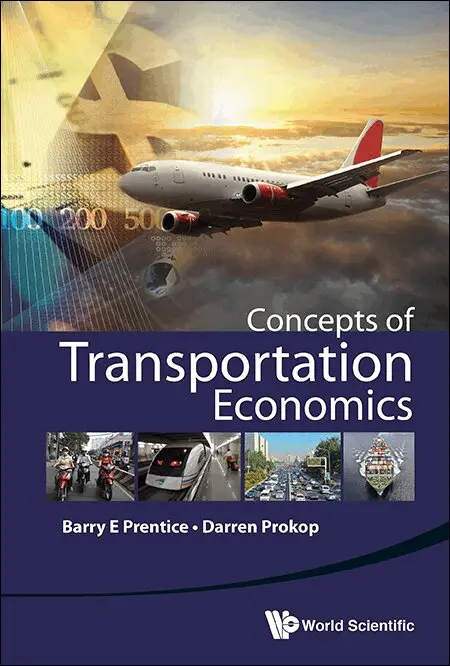
    CONCEPTS OF TRANSPORTATION ECONOMICS

    AvBarry E Prentice,Darren Prokop

    Inbunden, Engelska, 2016

    925 kr

    Beställningsvara. Skickas inom 5-8 vardagar. Fri frakt över 249 kr.

    Beskrivning

    Transportation is the world's largest invisible industry. Modern society is completely dependent on transportation to sustain its way of life, and it is all around us constantly. Yet the economics of transportation is a mystery to most people. Why do air fares rise and fall? Why do urban transit systems struggle to survive and require such large public subsidies? Why does freight transport cost more to move in one direction than an equal distance in another? Why is the government so heavily involved in transportation? Concepts of Transportation Economics provides explanations to these queries and many more, as well-renowned experts in the field, Barry E Prentice and Darren Prokop interpret the unique dynamics underlying transportation through the lens of applied economics, and demonstrate that the operations of transportation are completely logical and obvious once the concepts that underlie business decisions and consumer reactions are explained.

    Produktinformation

    • Utgivningsdatum:2016-01-13
    • Mått:238 x 162 x 23 mm
    • Vikt:624 g
    • Format:Inbunden
    • Språk:Engelska
    • Antal sidor:332
    • Förlag:World Scientific Publishing Co Pte Ltd
    • ISBN:9789814656160

    Utforska kategorier

    • Transportindustri inom Ekonomi och Ledarskap

    Innehållsförteckning

    • Communications and Technical Change; Logistics and Economics of Technological Change in the Supply Chain; Freight versus Passenger Demand for Transportation; Elasticity of Derived Demand for Transport; Role of Transport in Trade; Laws of Variable Proportions and Scale; Direct Costs and Scale Economies; Cost Economies and Traceability; Cost Relationships: Joint, Common and Constant Costs; Elasticity of Supply; Modal Supply Characteristics; Markets and Competition in Transportation; Externalities, Public Supply and Marginal Cost Pricing; Social Costs and Benefits; Spatial and Temporal Pricing in Transportation; Fronthaul and Backhaul Pricing; Peak Load Pricing; Congestion Cost Pricing; Price Discrimination; Transportation, Investment and Generalized Cost; Cost Benefit Analysis and Investment in Infrastructure; Intermodal Competition; Location and Land Settlement; Site Rents, Industrial Location; Gateways, Hubs and Trade Corridors; Transportation and Government Policy; Regulation and Deregulation; Taxation and Subsidization; Issues of Economic Development; Regulatory Enforcement and Compliance; The Role of Fines; Adverse Selection and Moral Hazard;