• Fri frakt över 249 kr
  • •
  • Snabba leveranser
  • •
  • Billiga böcker
Kundservice

Du är på sajten för privatpersoner.

Företag, bibliotek eller offentlig verksamhet?

Du handlar på classic.bokus.com, där alla dina funktioner finns intakta.
Till classic.bokus.com
Bokus logotyp. Gå till startsidan.
  • Erbjudanden
  • Nyheter
  • Student
  • Topplistor
  • Barn & ungdom
  • Bokus Play
  • E-böcker
  • Pocketböcker
  • Spel & pussel

10% rabatt på allt med kod: NYSTART10 →

Sidfot

Mina sidor

    Hjälp

    • Kundservice
    • Vanliga frågor och svar
    • Frakt och leverans
    • Retur vid ångerrätt
    • Reklamera vara
    • Betalning
    • Köpvillkor
    • Allmänna villkor
    • Information om webbplatsens tillgänglighet

    Om Bokus

    • Om oss
    • Pressrum
    • För studenter
    • För företag
    • För bibliotek och offentlig verksamhet
    • För leverantörer
    • Hållbarhet

    Populärt

    • Aktuella erbjudanden
    • Presentkort
    • Studentlitteratur
    • Nya böcker
    • Topplistor
    • Signerade böcker
    • Engelska böcker

    Inspiration

    • Boktips
    • BookTok
    • Populära bokserier
    • Barnbokskaraktärer
    • Populära författare
    Logotyp för Bokus
    Följ oss på Facebook (extern länk)Följ oss på Instagram (extern länk)Följ oss på YouTube (extern länk)Följ oss på TikTok (extern länk)
    bokus @ CookiesAnpassa cookiesIntegritetspolicyKöpvillkor
    Till Citymail hemsida (extern länk)Till Budbee hemsida (extern länk)Till Postnord hemsida (extern länk)Till Schenker hemsida (extern länk)Till Early Bird hemsida (extern länk)Till Walleys hemsida (extern länk)
    1. Historia och arkeologi
    2. Historia
    3. Historia: särskilda händelser och ämnen

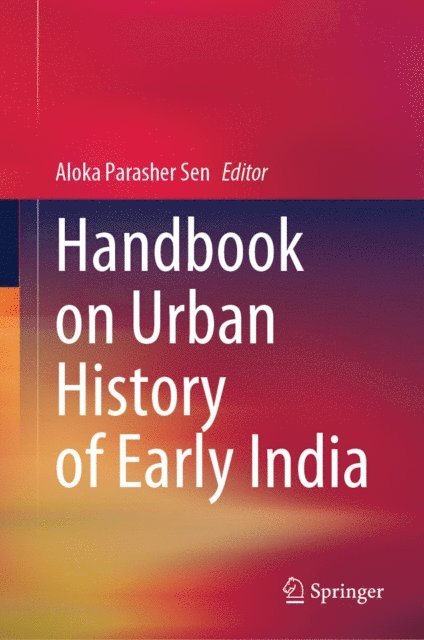
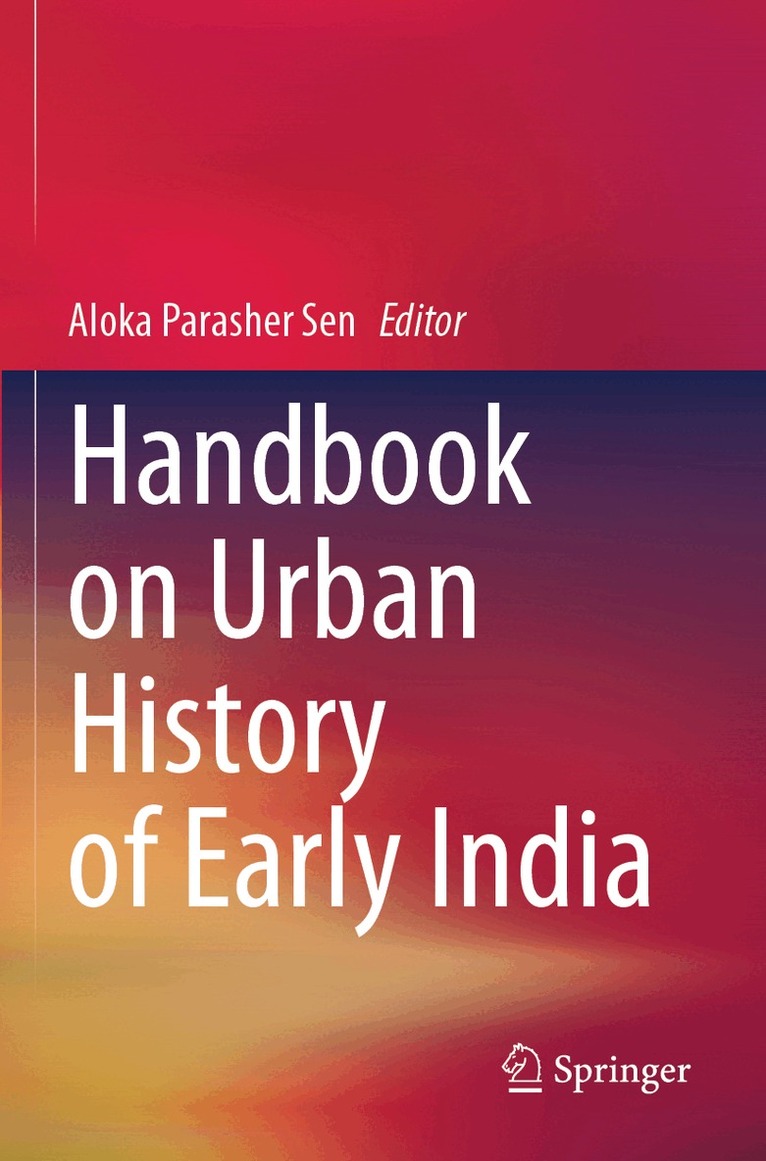
    Handbook on Urban History of Early India

    AvAloka Parasher Sen

    Inbunden, Engelska, 2024

    1 896 kr

    Beställningsvara. Skickas inom 5-8 vardagar. Fri frakt över 249 kr.

    Beskrivning

    This handbook addresses issues around urban growth in early India. It provides theoretical and empirical insights from the perspective of the different regions of the subcontinent using various sources. The book chapters discuss how early urban forms evolved, transformed, and survived on the subcontinent, beginning with the third millennium BCE. This volume also looks at how urban space gradually emerged in borderland areas of the subcontinent and hill areas, which throw up relevant issues and questions of how we need to review elements of what we define as 'urban'. It includes chapters on both the early historic and early medieval periods. The book provides a comprehensive view of early India's urban history, insights into metallic money and cities, the origin of cities and waterways, geospatial and remote sensing techniques to reflect on the emergence of historic settlements, and so on. The contributors have presented the dialectical relationship between the city and the country in their chapters. The book covers themes such as the Indus Valley civilization, the rise of cities in the Ganges valley, the cultural setting of the multi-ethnic and multi-lingual Kushan cities, the dynamic of the growth of cities in the ancient Tamilakam, theories of urbanization, archaeological and epigraphic material reflecting on the first cities in different regions of the subcontinent, etc. It is an invaluable resource for students, researchers, and scholars in history, architecture, and archaeology, as well as scholars working on Indic studies.


    Produktinformation

    • Utgivningsdatum:2024-10-24
    • Mått:155 x 235 x 36 mm
    • Vikt:1 010 g
    • Format:Inbunden
    • Språk:Engelska
    • Antal sidor:523
    • Förlag:Springer Verlag, Singapore
    • ISBN:9789819762293

    Utforska kategorier

    • Historia: särskilda händelser och ämnen inom Historia och arkeologi
    • Historia: teori och metod inom Historia och arkeologi
    • Sociologi inom Samhälle och politik

    Mer om författaren

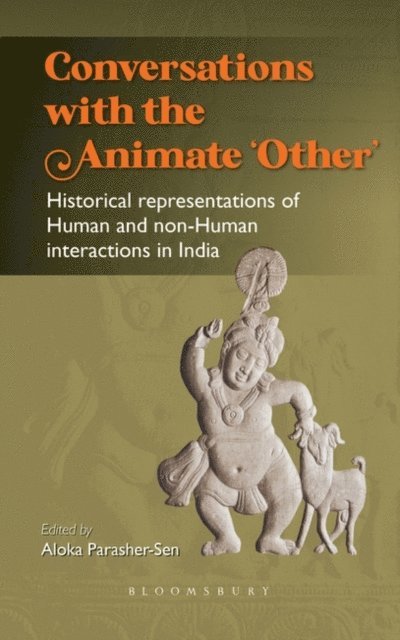
    Aloka Parasher Sen is a historian who graduated from the Lady Shri Ram College, Delhi University, and obtained her Ph.D. from the School of Oriental and African Studies, University of London. She has been Professor of History at the University of Hyderabad between 1979–2018, where she was also Professor Emeritus in the Department of Sanskrit Studies, 2018–2023.In addition to her teaching career, Parasher Sen has also undertaken numerous academic assignments abroad, including being a DAAD Fellow at the Sudasien Institut, Universitat Heidelberg, Germany, Fulbright Scholar at the University of California, Berkeley, USA, the first occupant of the Rotating Chair in Indian Studies at the Sudasien Institut, Universitat Heidelberg, Germany and the first occupant of the Saroj and Prem Singhmar Chair in Classical Indian Polity and Society at the Department of History and Classics, University of Alberta, Canada.Her research interests include social history of early India, namely, early Indian attitudes towards foreigners, tribes and excluded castes and the social, economic, cultural, and religious history and archeology of the Deccan region. Some of her major publications are: Mlecchas in Early India, (Munishram Manoharlal,1991, Rpt. 2023), Social and Economic History of the Deccan, Some Interpretations (Manohar, 1993, Rpt. 2019), Subordinate and Marginal Groups in Early India up to 1500 AD (OUP, 2004, 2nd Paperback edition 2007), Religion and Modernity in India, (with Sekhar Bandhyopadhyaya) (OUP 2016), Settlement and Local Histories of the Deccan (Manohar 2020), Seeking History through her Source, South of the Vindhyas (Orient Blackswan 2022), Gender Religion and Local History – The Early Deccan (Primus 2023) [This was awarded Professor Annapurna Chattopadhyaya Award for the best book on Ancient India with a Regional perspective in 2023], Conversations with the Animate ‘Other’ Historical Representations of Human non-Human Interaction in India (Bloomsbury 2023) among others.

    Innehållsförteckning

    • DEFINING THE URBAN.- PERCEPTIONS OF THE CITY AND COUNTRY.- THE EARLY HISTORIC PROCESSES OF URBANIZATION.- DIFFERENTIATING SETTLEMENTS AND THE URBAN.- URBAN GROWTH PATTERNS IN BORDERLAND AREAS.