Inbunden, Engelska, 2027
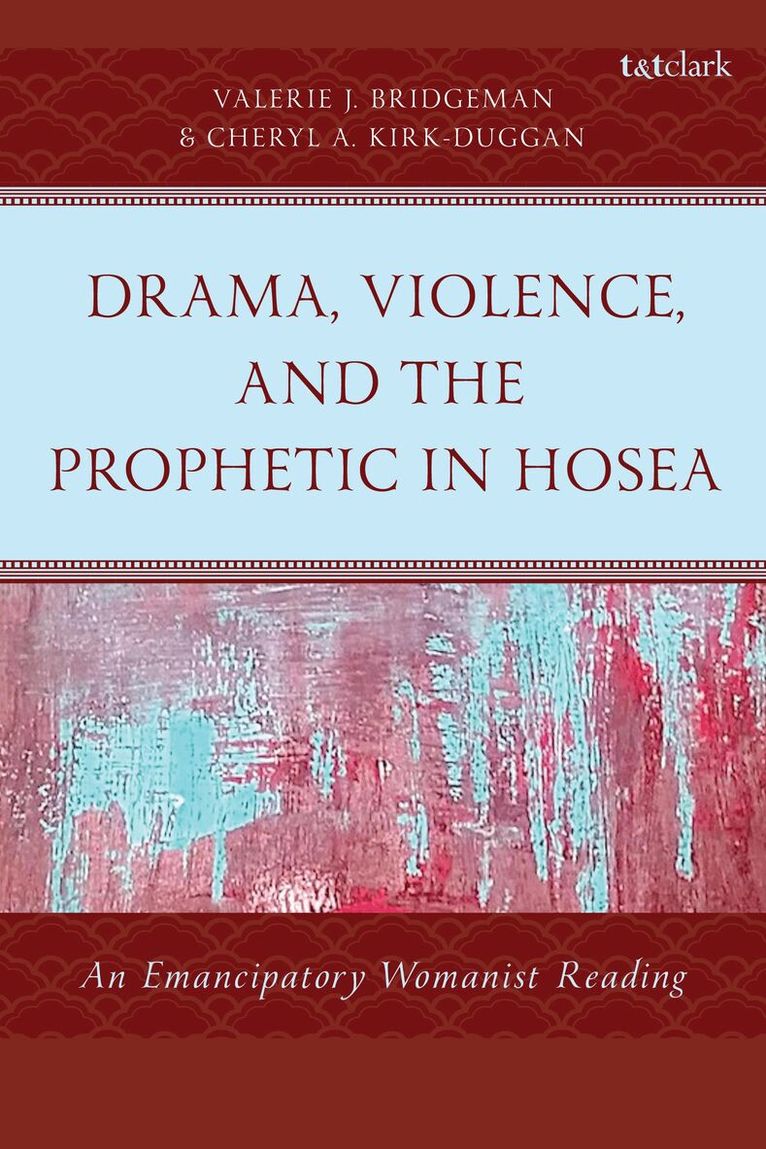
Drama, Violence, and the Prophetic in Hosea
An Emancipatory Womanist Reading
Av Cheryl A. Kirk-Duggan, Valerie Bridgeman
Del i serien Feminist Studies and Sacred Texts
1262 kr
Kommande
Beskrivning
Produktinformation
- Utgivningsdatum: 2027-01-07
- Mått: 152 x 229 x 25 mm
- Vikt: 454 g
- Format: Inbunden
- Språk: Engelska
- Serie: Feminist Studies and Sacred Texts
- Antal sidor: 248
- Förlag: Bloomsbury Publishing Plc
- ISBN: 9798765158319
Utforska kategorier
Mer om författaren
Valerie Bridgeman is Dean & Vice President of Academic Affairs and Professor of Homiletics & Hebrew Bible at Methodist Theology School of Ohio, USA. Cheryl A. Kirk-Duggan is Affiliated Faculty at Oblate School of Theology, USA, Independent Scholar, consultant, and performer.
Recensioner i media
Nearly four decades after I first asked whether Gomer was victim of violence or victim of metaphor, Bridgeman and Kirk-Duggan pick up that question and press it further than I dared. Reading Hosea as drama rather than history, they refuse the easy comfort of allegory and make readers sit with what the marriage metaphor costs real women, then and now. Their 'artistic dialogical discourse'—weaving film, music, and visual art into rigorous exegesis—opens the text in ways historical and rhetorical methods could not. This is womanist biblical scholarship at its most courageous: unflinching about the violence in the text, and unwilling to let scripture off the hook for it. This book takes that question somewhere Battered Love couldn't go in 1995—not for lack of will, but because the discourse and tools womanist scholarship now commands didn't yet exist
Betyg & recensioner
0 recensioner
Inga recensioner tillgängliga.