• Fri frakt över 249 kr
  • •
  • Snabba leveranser
  • •
  • Billiga böcker
Kundservice

Du är på sajten för privatpersoner.

Företag, bibliotek eller offentlig verksamhet?

Du handlar på classic.bokus.com, där alla dina funktioner finns intakta.
Till classic.bokus.com
Bokus logotyp. Gå till startsidan.
  • Erbjudanden
  • Nyheter
  • Student
  • Topplistor
  • Barn & ungdom
  • Bokus Play
  • E-böcker
  • Pocketböcker
  • Spel & pussel

Må bättre, för mindre! Upp till 50% rabatt på hälsoböcker

Sidfot

Mina sidor

    Hjälp

    • Kundservice
    • Vanliga frågor och svar
    • Frakt och leverans
    • Retur vid ångerrätt
    • Reklamera vara
    • Betalning
    • Köpvillkor
    • Allmänna villkor
    • Information om webbplatsens tillgänglighet

    Om Bokus

    • Om oss
    • Pressrum
    • För studenter
    • För företag
    • För bibliotek och offentlig verksamhet
    • För leverantörer
    • Hållbarhet

    Populärt

    • Aktuella erbjudanden
    • Presentkort
    • Studentlitteratur
    • Nya böcker
    • Topplistor
    • Signerade böcker
    • Engelska böcker

    Inspiration

    • Boktips
    • BookTok
    • Populära bokserier
    • Barnbokskaraktärer
    • Populära författare
    Logotyp för Bokus
    Följ oss på Facebook (extern länk)Följ oss på Instagram (extern länk)Följ oss på YouTube (extern länk)Följ oss på TikTok (extern länk)
    bokus @ CookiesAnpassa cookiesIntegritetspolicyKöpvillkor
    Till Citymail hemsida (extern länk)Till Budbee hemsida (extern länk)Till Postnord hemsida (extern länk)Till Schenker hemsida (extern länk)Till Early Bird hemsida (extern länk)Till Walleys hemsida (extern länk)
    1. Samhälle och politik
    2. Samhälle och kultur
    3. Sociala grupper och identitet
    4. Etnicitet

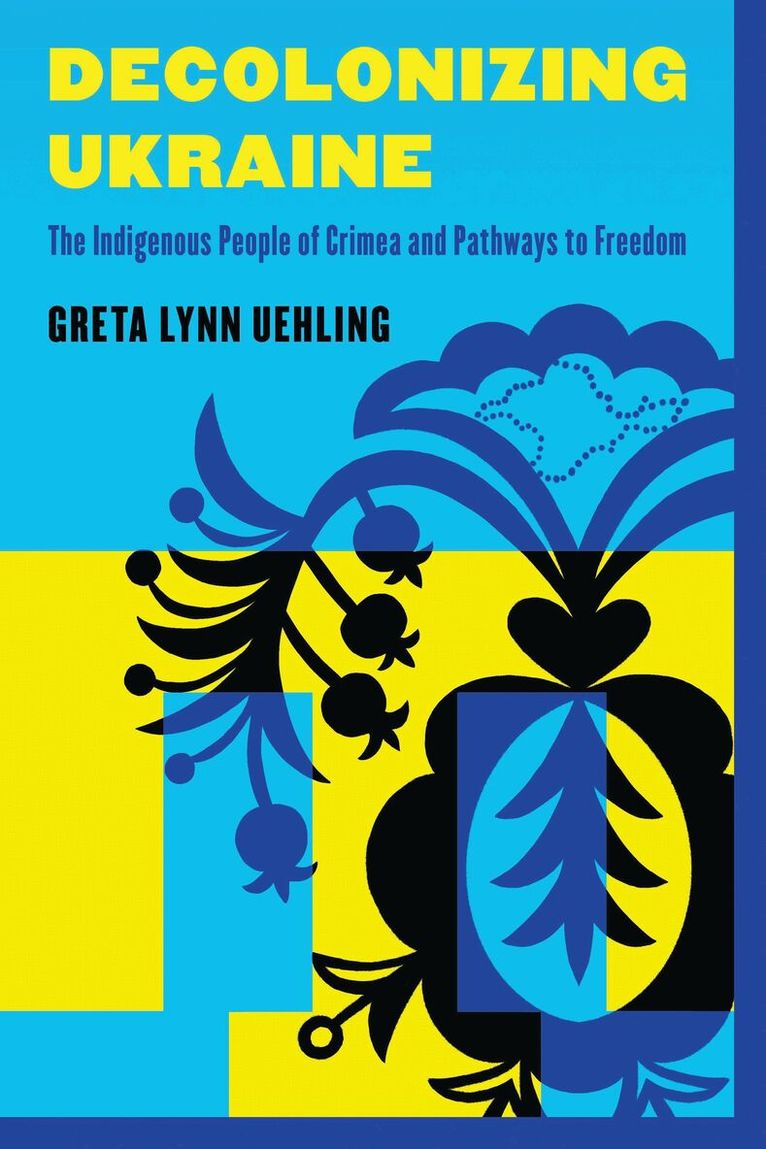
    Decolonizing Ukraine

    How the Indigenous People of Crimea Remade Themselves after Russian Occupation

    AvGreta Lynn Uehling

    Inbunden, Engelska, 2025

    1 021 kr

    Beställningsvara. Skickas inom 10-15 vardagar. Fri frakt över 249 kr.

    Fler format och utgåvor

    Häftad

    424 kr

    E-bok

    453 kr

    Beskrivning

    In this ground-breaking book, distinguished anthropologist Greta Lynn Uehling illuminates the untold stories of Russia’s occupation of Crimea from 2014 to the present, revealing the traumas of colonization, foreign occupation, and population displacement. Drawing upon extensive fieldwork in Ukraine, including over 90 personal interviews, Uehling brings her readers into the lives of people who opposed Russia’s Crimean operation, many of whom fled for government-controlled Ukraine. Via the narratives of people who traversed perilous geographies and world-altering events, Uehling traces the development of a new sense of social cohesion that encompasses diverse ethnic and religious groups. The result is a compelling story—one of resilience, transformation, and ultimately, the unwavering pursuit of freedom and autonomy for Ukraine, regardless of ethnicity or race. Ukraine is Crimea: Indigenous People, Race, and the Pathway to Decolonizing Ukraine demonstrates how understanding Crimea is essential to understanding Ukraine – and the war with Russia – today.

    Produktinformation

    • Utgivningsdatum:2025-02-25
    • Mått:152 x 229 x 19 mm
    • Vikt:499 g
    • Format:Inbunden
    • Språk:Engelska
    • Antal sidor:224
    • Förlag:Bloomsbury Publishing Plc
    • ISBN:9798881804459

    Utforska kategorier

    • Etnicitet inom Samhälle och politik
    • Antropologi inom Samhälle och politik

    Mer om författaren

    Greta Lynn Uehling is teaching professor of international and comparative studies at the University of Michigan. She is the author of Beyond Memory: The Deportation and Repatriation of the Crimean Tatars (2004) and Everyday War: The Conflict over Donbas, Ukraine (2023).

    Recensioner i media

    I cried, smiled with gratitude, and grieved alongside this book. As a Ukrainian from Crimea, reading it felt like reclaiming a lost piece of myself. The memories I had "forgotten" were gently unraveled in a delicate process of remembrance and mutual recognition. Each page offered me the missing fragments of my past and present, presented with such tenderness that they seamlessly wove back into the tapestry of my life.

    Innehållsförteckning

    • ContentsList of IllustrationsList of AbbreviationsNote on Translation and TransliterationPrefaceIntroductionThe Alchemy of AdversityA Settler Colonial ProjectThe Book’s Organizational LogicRecognitionCognitive DeoccupationChapter Overview I. Part One: Historical Grounding1. CrimeaCrimea in a WordThe Logic of Russia’s OccupationDiscrediting, displacing, and dispossessing Crimean Tatars Crimea is UkraineRethinking Regional HistoryThe Hybrid Operation to Capture Crimea The Unlawful ReferendumPassportizationSummary2. Why Indigeneity Matters for UkraineThe Basis of Indigenous Status in International LawIndigenous Rights are Human RightsIndigenous Rights are More Capacious than Minority RightsThe Case Against Indigenous StatusIndigenous GovernanceWhen Elephants Fight: Indigeneity in RussiaThe Other Elephant: Indigeneity in Ukraine What Crimean Tatars Mean for UkraineSummaryII. Part Two: Unraveling3. Displaced in Time and Space by the 2014 Occupation of CrimeaDisplacement in Time and SpaceA Return to the USSRDreams and Nightmares“Like an Excursion to an Asylum”“Like in a science fiction film”Inverting Moral HierarchiesSummary4. Unraveling: Talk of Treason Divides Crimean SocietyEveryday WarAccusations of Treason in Crimea: A Brief HistoryPolitical and Personal Romantic Partner RelationshipsVoting in the ReferendumParents and ChildrenFriendshipPortraits of StalinTreason at ScaleSummaryIII. Part Three: Coalescing5. Making Crimean Tatars More Grievable: Mourning and Recognition through the 2016 Eurovision ContestMeeting JamalaThe Politics of Pity and RecognitionThe Song “1944:” What it Mourns“Where’s Your Heart?” An Apolitical Project More Grievable Meant More LivableThe Contrast between Grief and Pity: Grief Builds CommunityRaising AwarenessNow We Cannot Be ForgottenThe Album “Qirim”Summary6. Claiming FreedomOppression during the Soviet PeriodClaiming Themselves“I decided to change my life”“You can say anything you want”Civic Identity: “Head and Heart”The National ContextThe Cultivation of FreedomNew Narratives Gradations of FreedomSummaryIV. Part Four: Reclaiming7. Barricading Crimea: Reclaiming Power, Territory, and History Arriving at the BarricadeThe Work of the BarricadeThe Women’s DormitoryOf Courage and ColonialityThe Imbalances are StructuralMahatma Gandhi, Che Guevara, and the Political Subjectivity at the BarricadeThe DreamA Crimean Tatar Epistemology of HistoryNot Everyone Agreed with Non-State Armed ActivismAfter the Full Scale Invasion of UkraineSummary8. Behind the Lines: Life in Occupied CrimeaThe Pragmatic Value of FearDulled SensationsStaying in CrimeaThe Graves of Our AncestorsDebt to Living Elders and the LandPolitically Motivated ImprisonmentsMilitary Conscription A Principled EscapeSummaryV. Part Five: Critical Reflections9. The Limits of Responsibility and RecognitionResponsibility without BlameMutual RecognitionSlavic IDPsRecognition and RedistributionLayers of MisrecognitionSummary10. Final Chapter: By Way of Conclusion The Phenomenological Experience of Occupation and DisplacementThe Logic of ExpropriationMore than Human: Healing Damaged EcosystemsSummaryAppendix A: List of IntervieweesAppendix B: Research Methodology