- 10% rabatt på allt
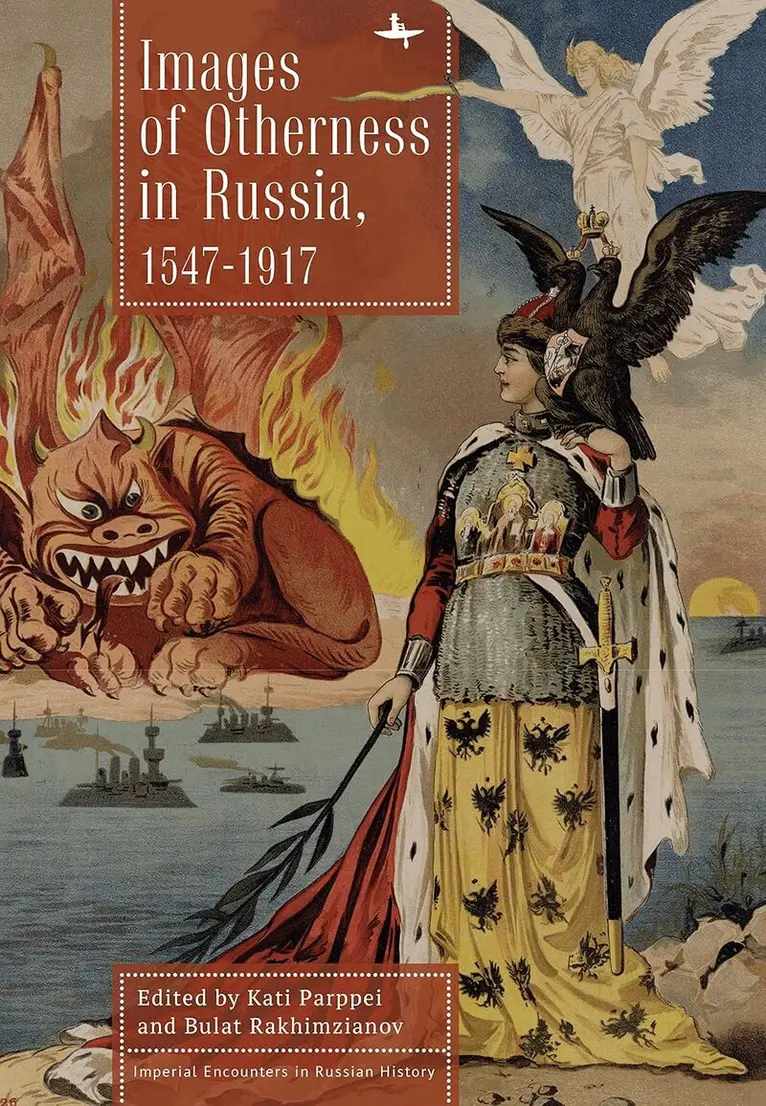
Images of Otherness in Russia, 1547-1917
AvKati Parppei,Bulat Rakhimzianov
Del i serien Imperial Encounters in Russian History
1 700 kr
Skickas . Fri frakt över 249 kr.
Du är på sajten för privatpersoner.
AvKati Parppei,Bulat Rakhimzianov
Del i serien Imperial Encounters in Russian History
1 700 kr
Skickas . Fri frakt över 249 kr.
Kati Parppei is a university lecturer (title of docent) in the Department of Geographical and Historical Studies at the University of Eastern Finland. Her interests include the history of mentalities and ideas, image studies, Russian history, and borderland issues.Bulat Rakhimzianov is currently a PhD student at University College Dublin. His research interests include the relations between the Tatar khanates and Moscow in the fifteenth and sixteenth centuries, and the uses of Tatar medieval history in contemporary historical writings and politics.
“...[A] collection that richly expands knowledge of the ways Russians processed religious, ethnic, socioeconomic, cultural, and political difference within their homeland and in the world beyond, in a variety of contexts over a long time span. The book envisions an audience of specialists as well as advanced students, who will find here not only a trove of fresh material but also effective demonstrations of how to use primary sources.”—Susan Layton, Slavic Review“Images of Otherness in Russia, 1547–1917 offers important perspectives that inform and enrich our understanding of contemporary issues of identity and intercultural relations.”— Aleksandr Korobeinikov, Slavonic and East European Review"...[T]he tapestry like character of the edited volume and its sustained research focus make the book a rich and multifaceted study on producing images of the other in Russian history."— Diego Repenning, Ab Imperio“This timely volume brings together exciting new research on the perception of ‘others’ during four centuries of Russia’s imperial history. While older research often highlighted adherence to Orthodoxy as the main marker of Russianness, this volume’s case studies provide a far more nuanced picture. They demonstrate that different—and often contradicting—markers of identity existed side by side and that perceptions of internal and external ‘others’ were inextricably interwoven. Processes of incorporation and differentiation took place simultaneously and led to a constant shifting of borders between those perceived as ‘Russians’ and the ‘others.’ Ultimately, this book indicates that these contradictions resulted from the ambiguities of Russia’s own identity as a multiethnic state oscillating between empire and nation, with consequences to the Soviet era and beyond.”— Ulrich Hofmeister, University of Munich
Du är på sajten för privatpersoner.
AvKati Parppei,Bulat Rakhimzianov
Del i serien Imperial Encounters in Russian History
1 700 kr
Skickas . Fri frakt över 249 kr.
Kati Parppei is a university lecturer (title of docent) in the Department of Geographical and Historical Studies at the University of Eastern Finland. Her interests include the history of mentalities and ideas, image studies, Russian history, and borderland issues.Bulat Rakhimzianov is currently a PhD student at University College Dublin. His research interests include the relations between the Tatar khanates and Moscow in the fifteenth and sixteenth centuries, and the uses of Tatar medieval history in contemporary historical writings and politics.
“...[A] collection that richly expands knowledge of the ways Russians processed religious, ethnic, socioeconomic, cultural, and political difference within their homeland and in the world beyond, in a variety of contexts over a long time span. The book envisions an audience of specialists as well as advanced students, who will find here not only a trove of fresh material but also effective demonstrations of how to use primary sources.”—Susan Layton, Slavic Review“Images of Otherness in Russia, 1547–1917 offers important perspectives that inform and enrich our understanding of contemporary issues of identity and intercultural relations.”— Aleksandr Korobeinikov, Slavonic and East European Review"...[T]he tapestry like character of the edited volume and its sustained research focus make the book a rich and multifaceted study on producing images of the other in Russian history."— Diego Repenning, Ab Imperio“This timely volume brings together exciting new research on the perception of ‘others’ during four centuries of Russia’s imperial history. While older research often highlighted adherence to Orthodoxy as the main marker of Russianness, this volume’s case studies provide a far more nuanced picture. They demonstrate that different—and often contradicting—markers of identity existed side by side and that perceptions of internal and external ‘others’ were inextricably interwoven. Processes of incorporation and differentiation took place simultaneously and led to a constant shifting of borders between those perceived as ‘Russians’ and the ‘others.’ Ultimately, this book indicates that these contradictions resulted from the ambiguities of Russia’s own identity as a multiethnic state oscillating between empire and nation, with consequences to the Soviet era and beyond.”— Ulrich Hofmeister, University of Munich
Du är på sajten för privatpersoner.
AvKati Parppei,Bulat Rakhimzianov
Del i serien Imperial Encounters in Russian History
1 700 kr
Skickas . Fri frakt över 249 kr.
Kati Parppei is a university lecturer (title of docent) in the Department of Geographical and Historical Studies at the University of Eastern Finland. Her interests include the history of mentalities and ideas, image studies, Russian history, and borderland issues.Bulat Rakhimzianov is currently a PhD student at University College Dublin. His research interests include the relations between the Tatar khanates and Moscow in the fifteenth and sixteenth centuries, and the uses of Tatar medieval history in contemporary historical writings and politics.
“...[A] collection that richly expands knowledge of the ways Russians processed religious, ethnic, socioeconomic, cultural, and political difference within their homeland and in the world beyond, in a variety of contexts over a long time span. The book envisions an audience of specialists as well as advanced students, who will find here not only a trove of fresh material but also effective demonstrations of how to use primary sources.”—Susan Layton, Slavic Review“Images of Otherness in Russia, 1547–1917 offers important perspectives that inform and enrich our understanding of contemporary issues of identity and intercultural relations.”— Aleksandr Korobeinikov, Slavonic and East European Review"...[T]he tapestry like character of the edited volume and its sustained research focus make the book a rich and multifaceted study on producing images of the other in Russian history."— Diego Repenning, Ab Imperio“This timely volume brings together exciting new research on the perception of ‘others’ during four centuries of Russia’s imperial history. While older research often highlighted adherence to Orthodoxy as the main marker of Russianness, this volume’s case studies provide a far more nuanced picture. They demonstrate that different—and often contradicting—markers of identity existed side by side and that perceptions of internal and external ‘others’ were inextricably interwoven. Processes of incorporation and differentiation took place simultaneously and led to a constant shifting of borders between those perceived as ‘Russians’ and the ‘others.’ Ultimately, this book indicates that these contradictions resulted from the ambiguities of Russia’s own identity as a multiethnic state oscillating between empire and nation, with consequences to the Soviet era and beyond.”— Ulrich Hofmeister, University of Munich