122 kr
Skickas
122 kr
Skickas
394 kr
Skickas inom 5-8 vardagar
155 kr
Skickas
623 kr
Läs direkt efter köp
1 302 kr
Läs direkt efter köp
811 kr
Skickas inom 5-8 vardagar
1 988 kr
Skickas inom 5-8 vardagar
1 302 kr
Läs direkt efter köp
623 kr
Läs direkt efter köp
1 768 kr
Skickas inom 5-8 vardagar
448 kr
Skickas inom 5-8 vardagar
3 240 kr
Skickas inom 3-6 vardagar
448 kr
Skickas inom 5-8 vardagar
1 152 kr
Skickas inom 5-8 vardagar
588 kr
Skickas inom 3-6 vardagar
437 kr
Läs direkt efter köp
98 kr
Läs direkt efter köp
1 203 kr
Skickas inom 5-8 vardagar
82 kr
Läs direkt efter köp
80 kr
Läs direkt efter köp
85 kr
Läs direkt efter köp
1 260 kr
Skickas inom 5-8 vardagar
1 283 kr
Läs direkt efter köp
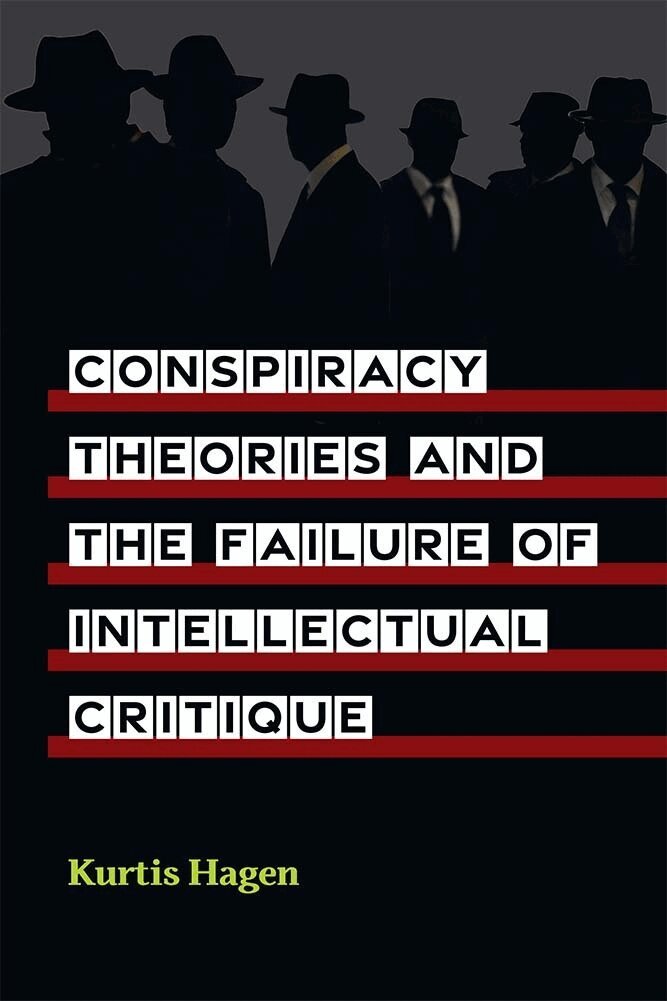
Conspiracy Theories and the Failure of Intellectual Critique argues that conspiracy theories, including those that conflict with official accounts and suggest that prominent people in Western democracies have engaged in appalling behavior, should be taken seriously and judged on their merits and problems on a case-by-case basis. It builds on the philosophical work on this topic that has developed over the past quarter century, challenging some of it, but affirming the emerging consensus: each conspiracy theory ought to be judged on its particular merits and faults.
The philosophical consensus contrasts starkly with what one finds in the social science literature. Kurtis Hagen argues that significant aspects of that literature, especially the psychological study of conspiracy theorists, has turned out to be flawed and misleading. Those flaws are not randomly directed; rather, they consistently serve to disparage conspiracy theorists unfairly. This suggests that there may be a bias against conspiracy theorists in the academy, skewing “scientific” results. Conspiracy Theories and the Failure of Intellectual Critique argues that social scientists who study conspiracy theories and/or conspiracy theorists would do well to better absorb the implications of the philosophical literature.298 kr
Skickas inom 3-6 vardagar
80 kr
Läs direkt efter köp
91 kr
Skickas inom 11-20 vardagar
85 kr
Läs direkt efter köp
102 kr
Skickas inom 5-8 vardagar
The Bstan pa rgyas pa rgyan gyi nyi ‘od of Bcom Idan ral gri
451 kr
Skickas inom 5-8 vardagar
160 kr
Läs direkt efter köp
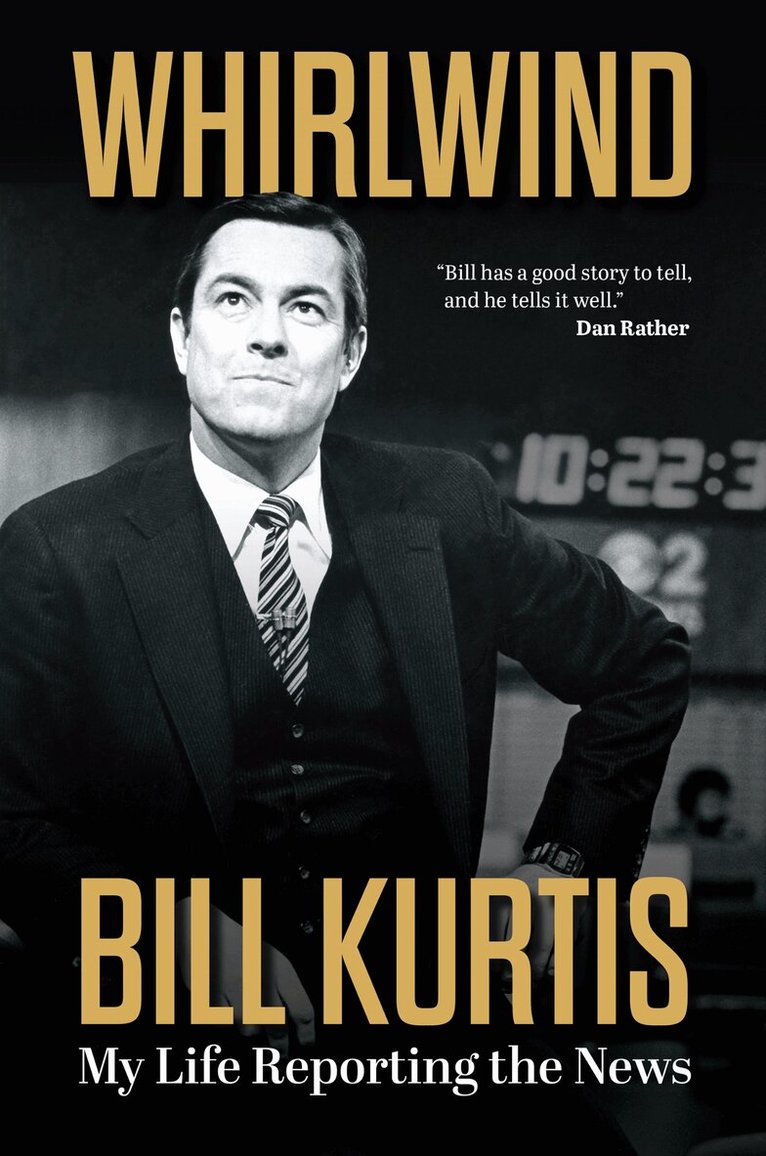
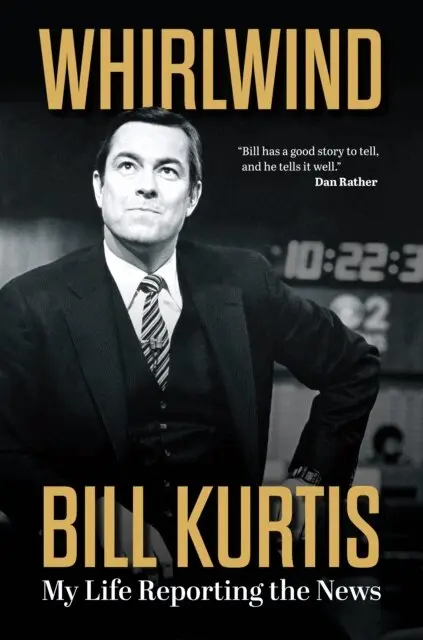
Starting with his coverage of the largest tornado in Kansas history, legendary correspondent, anchorman, and producer Bill Kurtis details his whirlwind career reporting American history as it unfolded, from the Chicago Seven to Charles Manson to Agent Orange. A fast-paced, entertaining, and inspiring story about the potent combination of talent and luck in the network era of television.
From his beginnings as a kid from Kansas working at local radio and television stations to pay for college and law school, Bill Kurtis had a hunger for telling stories and finding the truth. With passion, skill, and just the right amount of luck, Kurtis’s reporting of the infamous Topeka Tornado of 1966 launched him into a whirlwind career in broadcast journalism. Only four years later, after passing the Kansas bar exam, Kurtis had already reported four of the largest trials of the twentieth century: Richard Speck, the Chicago Seven, Charles Manson, and Angela Davis.
During his career as a West Coast correspondent for Cronkite’s CBS Evening News, anchorman and foreign correspondent at the revolutionary local newsroom at WBBM-TV Chicago, co-anchor with Dianne Sawyer at CBS Morning News, and beyond, Kurtis brought history to the American people in real time.
Recounting moments in his remarkable career as a television journalist, Kurtis brings us into some of the most iconic moments of the ’60s, ’70s, and ’80s. He was in the streets during the riots at the 1968 Democratic National Convention in Chicago; he uncovered the truth about the deadly effects of Agent Orange during the Vietnam War; he was the first US television journalist to return to Chernobyl after the infamous nuclear disaster; and much more. Kurtis also offers an insider look at how television evolved from an emerging news source to the dominating force in American media.
A natural storyteller, Kurtis remembers his career with honesty and insight and gives a rare picture of American history and broadcast journalism.