Abhilasha Singh Mathuriya - Böcker
Visar alla böcker från författaren Abhilasha Singh Mathuriya. Handla med fri frakt och snabb leverans.
7 produkter
7 produkter
1 473 kr
Skickas inom 10-15 vardagar
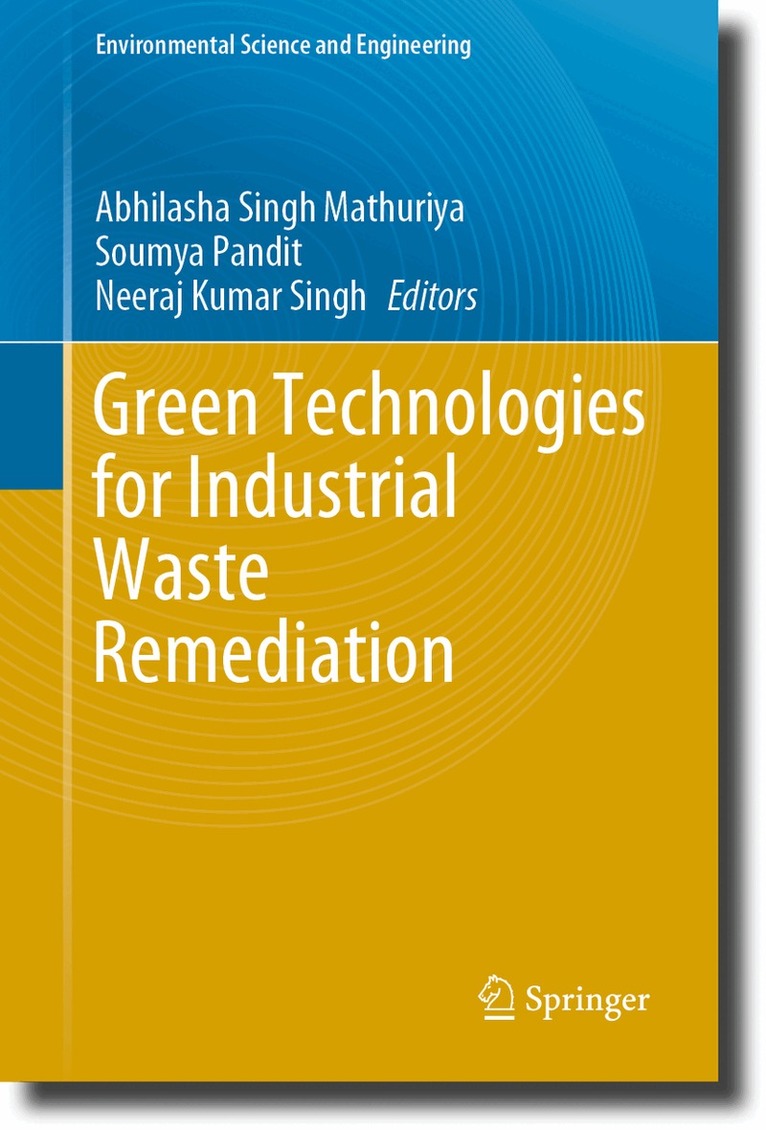
This proposed book chapter is expected to provide the readers with wide aspects of green technologies for industrial waste remediation. The first chapter is dedicated to the introduction to the title of the book. The chapter discusses various green technologies for industrial waste remediation. After that, the second chapter emphasizes the different types of applications of microorganisms in industrial waste treatment. After that, chapters emphasize the specific area of the title, including the micro and nanofiltration technology for the treatment of industrial wastewater, methods for the recovery and removal of heavy metals from industrial effluents, algal photobioreactor technology for industrial wastewater treatment, carbon capture and energy recovery, bioremediation of radioactive wastes, membrane-based technologies for industrial waste management, valorization of agro-industrial wastes for biorefinery products, bioaccumulation and detoxification of metals through genetically engineered microorganism, application of biochar in waste remediation, constructed wetlands for industrial wastewater remediation, bioelectrochemical treatment of recalcitrant pollutants, microplastics, petrochemicals including BTEX, applications of biosorbents in industrial wastewater treatment, Microbial biofilm reactor for sustainable wastewater treatment, dye adsorption and degradation using microbial consortium, sustainable treatment of endocrine disruptive chemicals released from industries, biological nanomaterials for industrial wastewater management, vermifiltration as a natural, cost-effective and green technology for biomanagement of industrial wastewater, biocatalytic remediation of industrial pollutants, and green treatment of poly aromatic hydrocarbons released from industrial waste. All the chapters cover various aspects of sustainable management of industrial wastes covering relevant literature and data.Further, this book discusses the various advanced techniques/methods adopted for the enhancement of waste management, like the application of nanoparticles. This book discusses other related topics such as algal photobioreactors for carbon dioxide sequestration. Further, chapters are included to discuss about life cycle assessment of the wastewater treatment tools and commercialization aspects.
1 473 kr
Skickas inom 10-15 vardagar
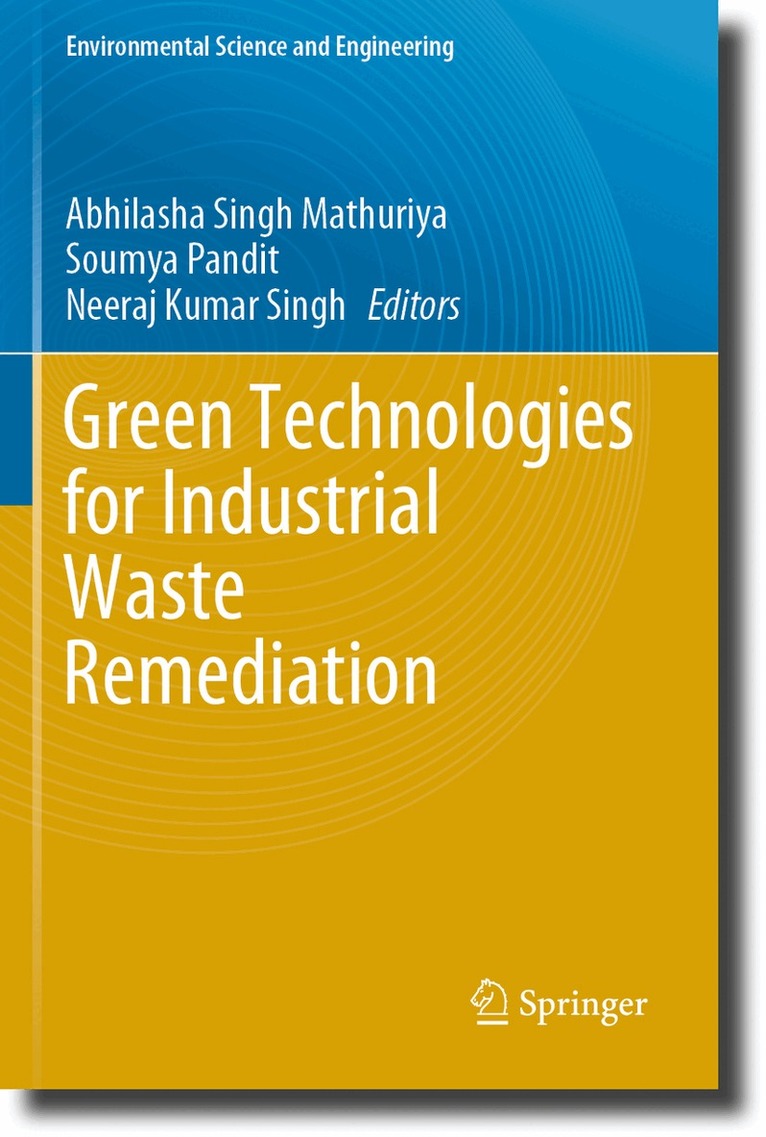
This proposed book chapter is expected to provide the readers with wide aspects of green technologies for industrial waste remediation. The first chapter is dedicated to the introduction to the title of the book. The chapter discusses various green technologies for industrial waste remediation. After that, the second chapter emphasizes the different types of applications of microorganisms in industrial waste treatment. After that, chapters emphasize the specific area of the title, including the micro and nanofiltration technology for the treatment of industrial wastewater, methods for the recovery and removal of heavy metals from industrial effluents, algal photobioreactor technology for industrial wastewater treatment, carbon capture and energy recovery, bioremediation of radioactive wastes, membrane-based technologies for industrial waste management, valorization of agro-industrial wastes for biorefinery products, bioaccumulation and detoxification of metals through genetically engineered microorganism, application of biochar in waste remediation, constructed wetlands for industrial wastewater remediation, bioelectrochemical treatment of recalcitrant pollutants, microplastics, petrochemicals including BTEX, applications of biosorbents in industrial wastewater treatment, Microbial biofilm reactor for sustainable wastewater treatment, dye adsorption and degradation using microbial consortium, sustainable treatment of endocrine disruptive chemicals released from industries, biological nanomaterials for industrial wastewater management, vermifiltration as a natural, cost-effective and green technology for biomanagement of industrial wastewater, biocatalytic remediation of industrial pollutants, and green treatment of poly aromatic hydrocarbons released from industrial waste. All the chapters cover various aspects of sustainable management of industrial wastes covering relevant literature and data.Further, this book discusses the various advanced techniques/methods adopted for the enhancement of waste management, like the application of nanoparticles. This book discusses other related topics such as algal photobioreactors for carbon dioxide sequestration. Further, chapters are included to discuss about life cycle assessment of the wastewater treatment tools and commercialization aspects.
Del 118 - Water Science and Technology Library
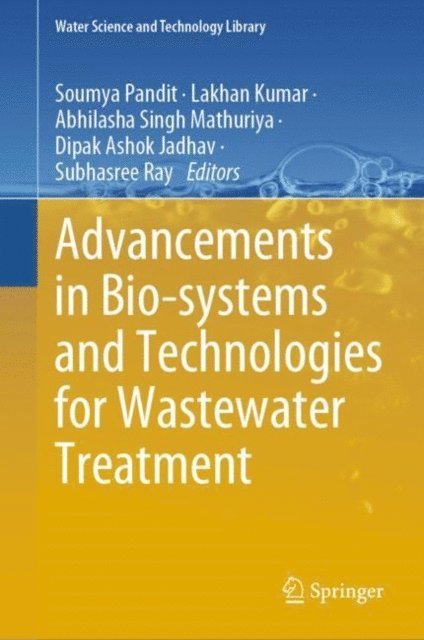
Advancements in Bio-systems and Technologies for Wastewater Treatment
Inbunden, Engelska, 2024
1 787 kr
Skickas inom 10-15 vardagar
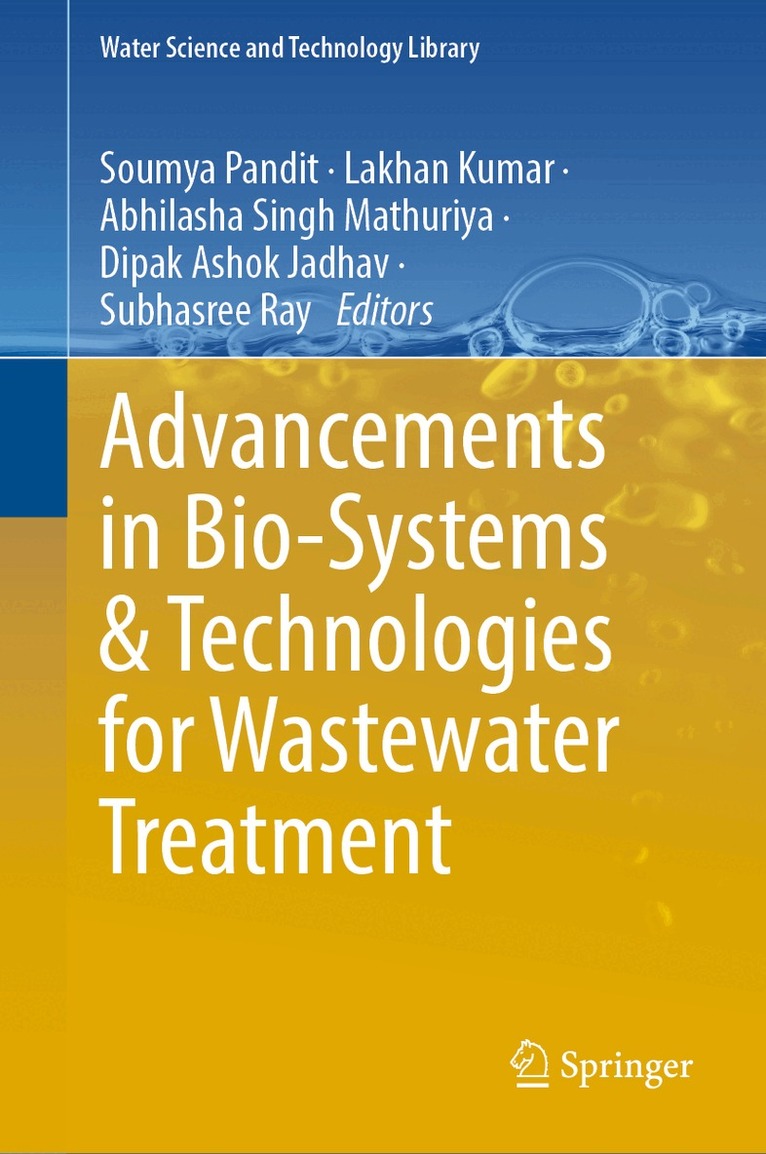
This book explains the main problems of industrial wastewater treatments and how they are being treated by innovative biological processes. The need for clean water in developing countries has become difficult to achieve as a result of globalization and industrialization and because of an increase in population, urbanization, and per capita water use.Residential, commercial, industrial, and educational institutions produce immense amounts of wastewater. Wastewater is treated to extract toxins to produce processed effluent by physical, chemical, and biological processes. Most of these innovative treatment systems are membrane filtration, advanced oxidation processes, and electrochemical approaches, which are strongly committed to offering solutions to help protect public health and the environment.For wastewater treatment, different forms of bioreactors are used which are reliable, cost-efficient, and effective in removing a wide variety of contaminants.This book outlines the capacity of various bioreactors that are most widely used for the treatment of different industrial and domestic wastewater, such as a rotating biological contactor, biological fluidized bed reactor, packed bed reactor, membrane bioreactor, continuous stirred tank bioreactor, up-flow anaerobic sludge blanket reactor, and photobioreactor, etc.Despite this, the acceptance of these technologies and their commercialization on an industrial scale, the performance is still limited. Therefore, a broader use of cost-effective in situ remedial approaches to natural phenomena like bioremediation is needed. The role of numerous bioreactors in industrial effluent treatment has, including recent developments, also been explored in depth. Furthermore, it includes the operational factors affecting their performances, advances in their architectural design, their amalgamation with the existing setup, scale-up studies, life cycle assessment of those reactors, materials and cost analysis, etc. This information helps the reader to understand the insight into the mechanism, pros and cons, moreover efficient utilization, and commissioning of bioreactors.
Del 118 - Water Science and Technology Library
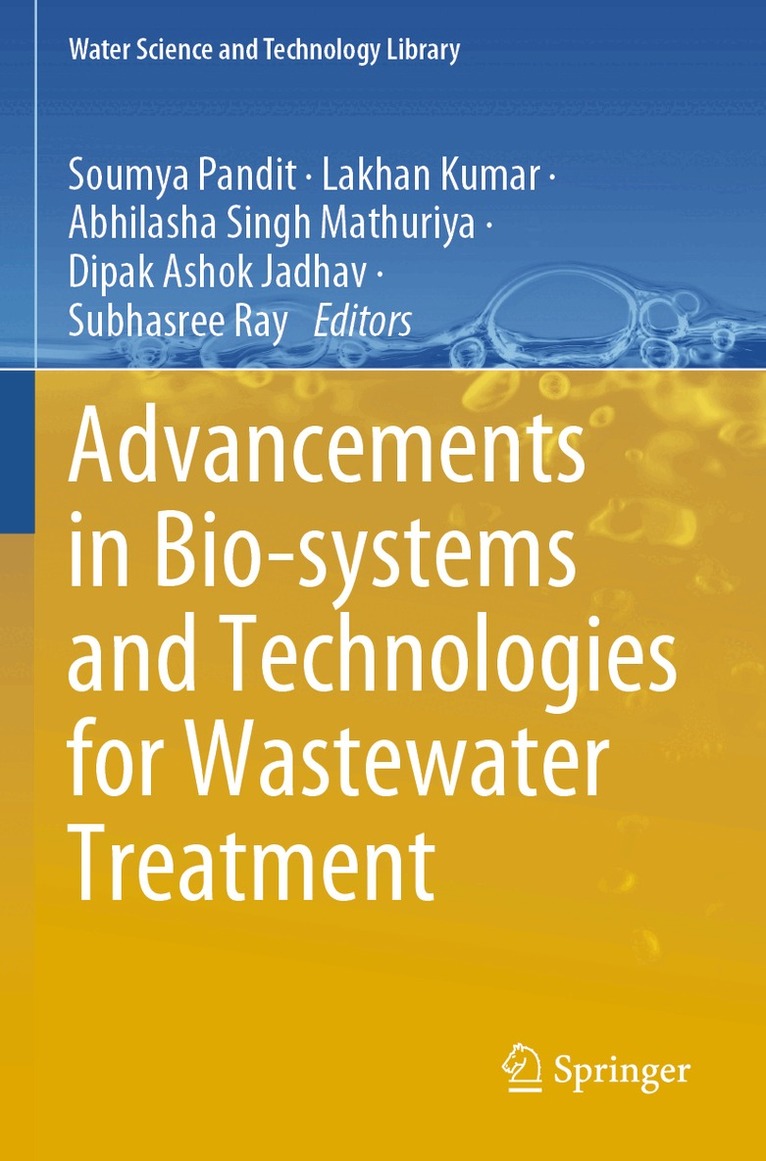
Advancements in Bio-systems and Technologies for Wastewater Treatment
Häftad, Engelska, 2025
1 787 kr
Skickas inom 10-15 vardagar
This book explains the main problems of industrial wastewater treatments and how they are being treated by innovative biological processes. The need for clean water in developing countries has become difficult to achieve as a result of globalization and industrialization and because of an increase in population, urbanization, and per capita water use.Residential, commercial, industrial, and educational institutions produce immense amounts of wastewater. Wastewater is treated to extract toxins to produce processed effluent by physical, chemical, and biological processes. Most of these innovative treatment systems are membrane filtration, advanced oxidation processes, and electrochemical approaches, which are strongly committed to offering solutions to help protect public health and the environment.For wastewater treatment, different forms of bioreactors are used which are reliable, cost-efficient, and effective in removing a wide variety of contaminants.This book outlines the capacity of various bioreactors that are most widely used for the treatment of different industrial and domestic wastewater, such as a rotating biological contactor, biological fluidized bed reactor, packed bed reactor, membrane bioreactor, continuous stirred tank bioreactor, up-flow anaerobic sludge blanket reactor, and photobioreactor, etc.Despite this, the acceptance of these technologies and their commercialization on an industrial scale, the performance is still limited. Therefore, a broader use of cost-effective in situ remedial approaches to natural phenomena like bioremediation is needed. The role of numerous bioreactors in industrial effluent treatment has, including recent developments, also been explored in depth. Furthermore, it includes the operational factors affecting their performances, advances in their architectural design, their amalgamation with the existing setup, scale-up studies, life cycle assessment of those reactors, materials and cost analysis, etc. This information helps the reader to understand the insight into the mechanism, pros and cons, moreover efficient utilization, and commissioning of bioreactors.
1 682 kr
Skickas inom 10-15 vardagar
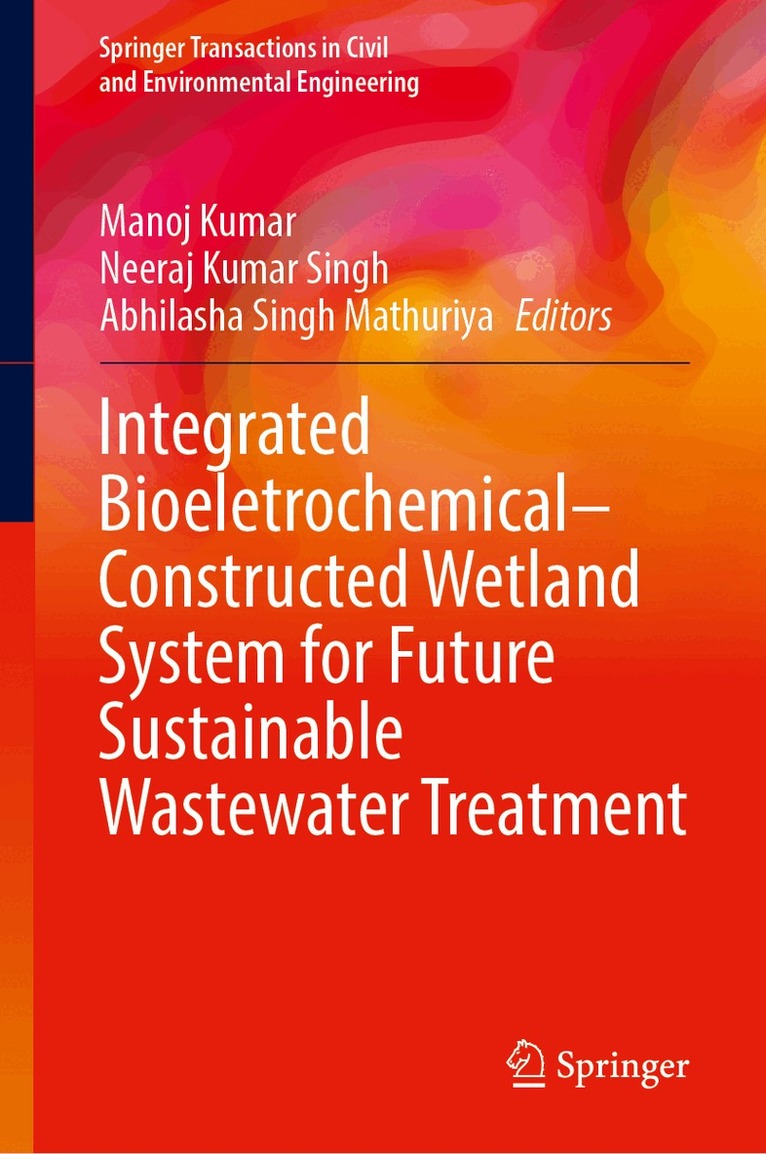
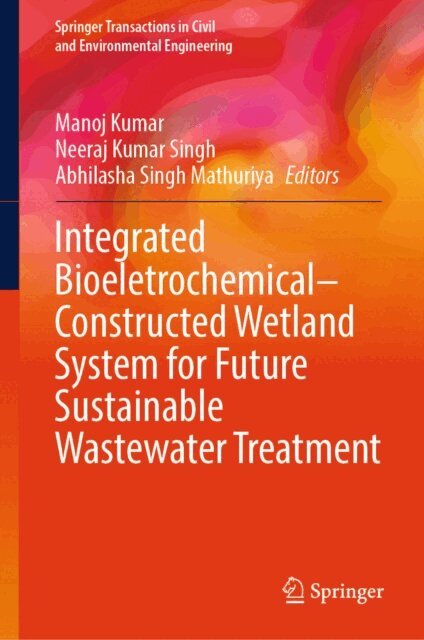
Integrated Bioeletrochemical–Constructed Wetland System for Future Sustainable Wastewater Treatment
Inbunden, Engelska, 2025
2 101 kr
Skickas inom 7-10 vardagar
This book provides latest information and knowledge from internationally recognized experts working in wastewater treatment field. It covers broad aspects of integrated bioeletrochemical-constructed wetland system for future sustainable wastewater treatment and resource recovery. It discusses various constructed wetland and their application in wastewater treatment and the principle and mechanism of bioelectrochemical system for wastewater treatment. The book also reviews the various types of constructed wetland integrated with bioeletrochemical and microbial fuel cells. It includes chapters on the recovery of bioelectricity and bioenergy from wastewater resource using constructed wetland by adoption of microbial fuel cell technology, recent advancements in bioelectrochemical system and microbial fuel cell technology for energy production in constructed wetland, applied bioaugmentation and bioremediation treatment technology in constructed wetland for wastewater treatment, successful models of constructed wetlands applied for water purification across the globe, and chapters on scaling up, economic sustainability, and feasibility and life cycle assessment of constructed wetland for wastewater treatment integrated with microbial fuel cells and bioelectrochemical systems. The book can be a valuable reference for researchers and professionals interested in wastewater treatment and allied fields.
Integrated Bioeletrochemical–Constructed Wetland System for Future Sustainable Wastewater Treatment
Häftad, Engelska, 2026
2 101 kr
Skickas inom 10-15 vardagar
This book provides latest information and knowledge from internationally recognized experts working in wastewater treatment field. It covers broad aspects of integrated bioeletrochemical-constructed wetland system for future sustainable wastewater treatment and resource recovery. It discusses various constructed wetland and their application in wastewater treatment and the principle and mechanism of bioelectrochemical system for wastewater treatment. The book also reviews the various types of constructed wetland integrated with bioeletrochemical and microbial fuel cells. It includes chapters on the recovery of bioelectricity and bioenergy from wastewater resource using constructed wetland by adoption of microbial fuel cell technology, recent advancements in bioelectrochemical system and microbial fuel cell technology for energy production in constructed wetland, applied bioaugmentation and bioremediation treatment technology in constructed wetland for wastewater treatment, successful models of constructed wetlands applied for water purification across the globe, and chapters on scaling up, economic sustainability, and feasibility and life cycle assessment of constructed wetland for wastewater treatment integrated with microbial fuel cells and bioelectrochemical systems. The book can be a valuable reference for researchers and professionals interested in wastewater treatment and allied fields.