Akshay Kumar Chakravarthy – författare
2 255 kr
Läs direkt efter köp
Floricultural crops all over the world are challenged by a number of insect and mite pests. The pest scenario is changing, and with climate change the instances of new pest incidences have become a more common problem. Like other crops, the intensive cultivation of commercial flowers has accentuated pest problems, as farmers tend to use more agricultural chemicals, which, in turn, increase the problems of pesticide resistance, pest resurgence, and residues leading to health hazards.
This volume, Advances in Pest Management in Commercial Flowers, looks at the major challenges and improvements in this growing area today. It first provides an informative overview of worldwide pests of important commercial flowers. It explores a number of important issues in this area, such as the role of climate change on insect pests of commercial flowers and the synthetic chemicals and their possible harmful effects on the environment.
2 255 kr
Läs direkt efter köp
Floricultural crops all over the world are challenged by a number of insect and mite pests. The pest scenario is changing, and with climate change the instances of new pest incidences have become a more common problem. Like other crops, the intensive cultivation of commercial flowers has accentuated pest problems, as farmers tend to use more agricultural chemicals, which, in turn, increase the problems of pesticide resistance, pest resurgence, and residues leading to health hazards.
This volume, Advances in Pest Management in Commercial Flowers, looks at the major challenges and improvements in this growing area today. It first provides an informative overview of worldwide pests of important commercial flowers. It explores a number of important issues in this area, such as the role of climate change on insect pests of commercial flowers and the synthetic chemicals and their possible harmful effects on the environment.
1 958 kr
Skickas inom 10-15 vardagar
1 172 kr
Skickas inom 10-15 vardagar
2 345 kr
Skickas
1 630 kr
Skickas inom 10-15 vardagar
1 977 kr
Läs direkt efter köp
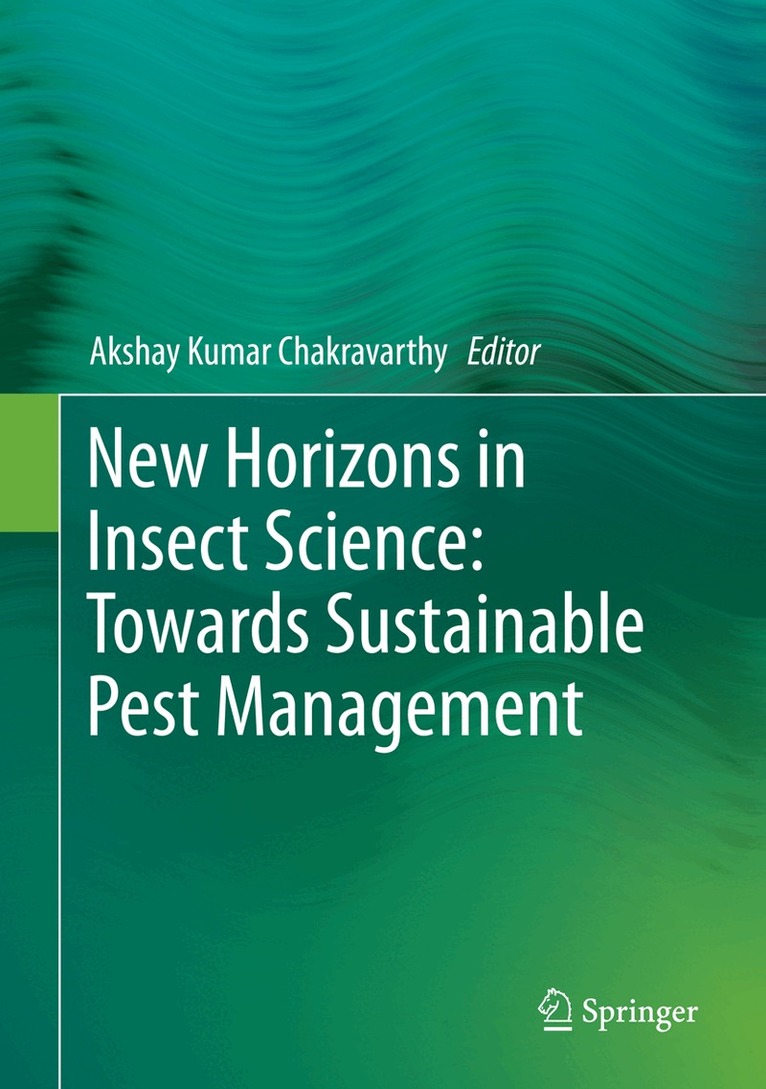
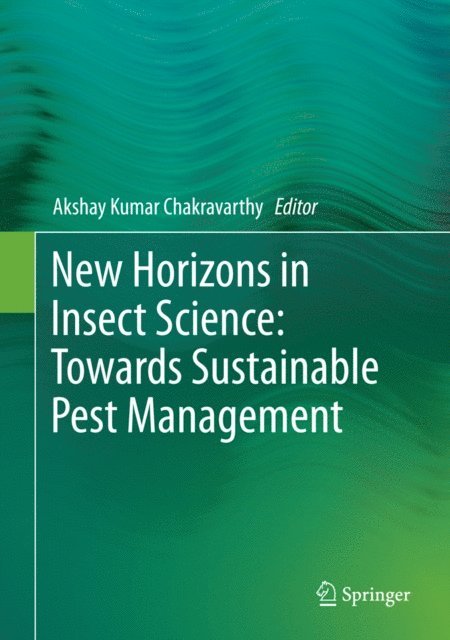
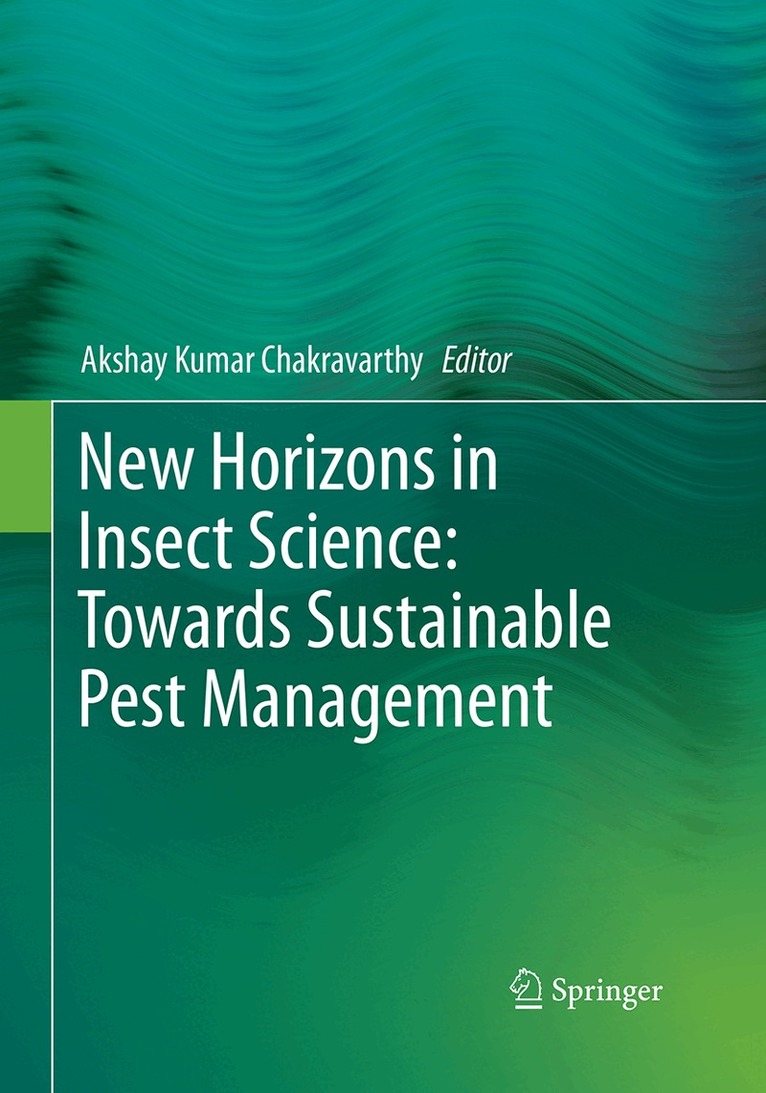
Insect science is fast changing as insects are evolving to a plethora of newer chemical molecules, climate change, management tactics and transformation of the landscapes. Through the International Conference, the editors have attempted to gather together newer aspects of Insect Sciences like Insect Taxonomy, DNA Barcoding, Physiology, Toxicology, Vectors and their Management, Molecular Biology, RNA interference in Pest Management, Semiochemicals and Pest Management using Host Plant Resistance and Biological Control appropriated especially for the developing world. Both basic and applied aspects of insect science have been included to stimulate comprehensive studies on insect science. The book not only deals with insect science but also environmental and ecological aspects in the hope that the book will be of immense use to students, researchers, extension workers, planners, administrators, farmers and other end users. The Chapters on diversified aspects of Insect Science are contributed by leading scientists for the coming 21st century in which entomology is witnessing a dramatic advancement in management of pests through in-depth investigations. The dimensions of Insect Science covered in the book are pest management approaches that can be adopted worldwide with ascent on sustainability.
1 630 kr
Skickas inom 10-15 vardagar
1 712 kr
Skickas inom 10-15 vardagar
2 130 kr
Läs direkt efter köp
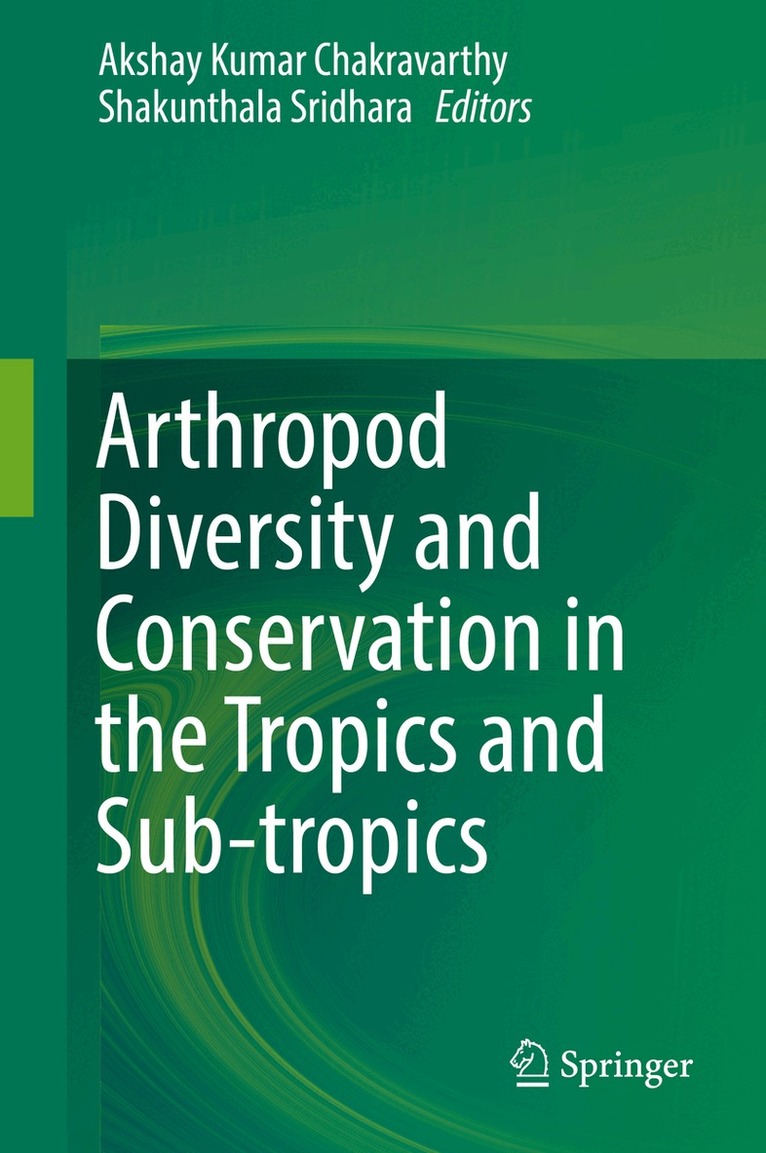
Arthropods are invertebrates that constitute over 90% of the animal kingdom, and their bio-ecology is closely linked with global functioning and survival.
Arthropods play an important role in maintaining the health of ecosystems, provide livelihoods and nutrition to human communities, and are important indicators of environmental change. Yet the population trends of several arthropods species show them to be in decline. Arthropods constitute a dominant group with 1.2 million species influencing earth’s biodiversity. Among arthropods, insects are predominant, with ca. 1 million species and having evolved some 350 million years ago. Arthropods are closely associated with living and non-living entities alike, making the ecosystem services they provide crucially important. In order to be effective, plans for the conservation of arthropods and ecosystems should include a mixture of strategies like protecting key habitats and genomic studies to formulate relevant policies for in situ and ex situ conservation.
This two-volume book focuses on capturing the essentials of arthropod inventories, biology, and conservation.Further, it seeks to identify the mechanisms by which arthropod populations can be sustained in terrestrial and aquatic ecosystems, and by means of which certain problematic species be managed without producing harmful environmental side-effects.
This edited compilation includes chapters contributed by over 80 biologists on a wide range of topics embracing the diversity, distribution, utility and conservation of arthropods and select groups of insect taxa. More importantly, it describes in detail the mechanisms of sustaining arthropod ecosystems, services and populations. It addresses the contribution of modern biological tools such as molecular and genetic techniques regulating gene expression, as well as conventional, indigenous practices in arthropod conservation. The contributors reiterate the importance of documenting and understanding the biology of arthropods from a holistic perspective before addressing conservation issues at large. This book offers a valuable resource for all zoologists, entomologists, ecologists, conservation biologists, policy makers, teachers and students interested in the conservation of biological resources.
2 351 kr
Skickas inom 10-15 vardagar
3 046 kr
Läs direkt efter köp
Arthropods are invertebrates that constitute over 90% of the animal kingdom, and their bio-ecology is closely linked with global functioning and survival.
Arthropods play an important role in maintaining the health of ecosystems, provide livelihoods and nutrition to human communities, and are important indicators of environmental change. Yet the population trends of several arthropods species show them to be in decline. Arthropods constitute a dominant group with 1.2 million species influencing earth’s biodiversity. Among arthropods, insects are predominant, with ca. 1 million species and having evolved some 350 million years ago. Arthropods are closely associated with living and non-living entities alike, making the ecosystem services they provide crucially important. In order to be effective, plans for the conservation of arthropods and ecosystems should include a mixture of strategies like protecting key habitats and genomic studies to formulate relevant policies for insitu and ex situ conservation.
This two-volume book focuses on capturing the essentials of arthropod inventories, biology, and conservation. Further, it seeks to identify the mechanisms by which arthropod populations can be sustained in terrestrial and aquatic ecosystems, and by means of which certain problematic species be managed without producing harmful environmental side-effects.
This edited compilation includes chapters contributed by over 80 biologists on a wide range of topics embracing the diversity, distribution, utility and conservation of arthropods and select groups of insect taxa. More importantly, it describes in detail the mechanisms of sustaining arthropod ecosystems, services and populations. It addresses the contribution of modern biological tools such as molecular and genetic techniques regulating gene expression, as well as conventional, indigenous practices in arthropod conservation. The contributors reiterate the importance of documenting and understanding the biology of arthropods from a holistic perspective before addressing conservation issues at large. This book offers a valuable resource for all zoologists, entomologists, ecologists, conservation biologists, policy makers, teachers and students interested in the conservation of biological resources.
1 712 kr
Skickas inom 10-15 vardagar
2 351 kr
Skickas inom 10-15 vardagar
1 605 kr
Skickas inom 10-15 vardagar
1 937 kr
Läs direkt efter köp
Conogethes is a group of moths distributed in Austral-Asian region from India to New Guinea, the Solomon Islands and Australia.The moths are also found in Hawaii and Great Britain. Conogethes is mostly known for the economic impact of its larvae on agricultural crops. Substantial research has been undertaken in order to understand the biology of these harmful insects and to develop strategies to confine their impact. Research on chemical communication between males and females via sex pheromones is in progress.Recent research has also focused on the acoustic communication of Conogethes. The moths can feed on more than 200 plants in diversified habitats. The borer moths have become major pest on Horticultural , Agricultural,Avenue trees and forest trees. Its a pest of Quarantine importance as it has been found in Exportable commodities.
The book contains 22 chapters from a dozen countries. The authors are from China, Vietnam, Australia, Sri Lanka, Malaysia, Norway etc. This is the first book on the pest globally where interesting insights are provided. This is one of the book of its kind on single pest dealing with almost all aspects of its biology and management on cultivated crops.1 073 kr
Skickas inom 10-15 vardagar
1 367 kr
Läs direkt efter köp
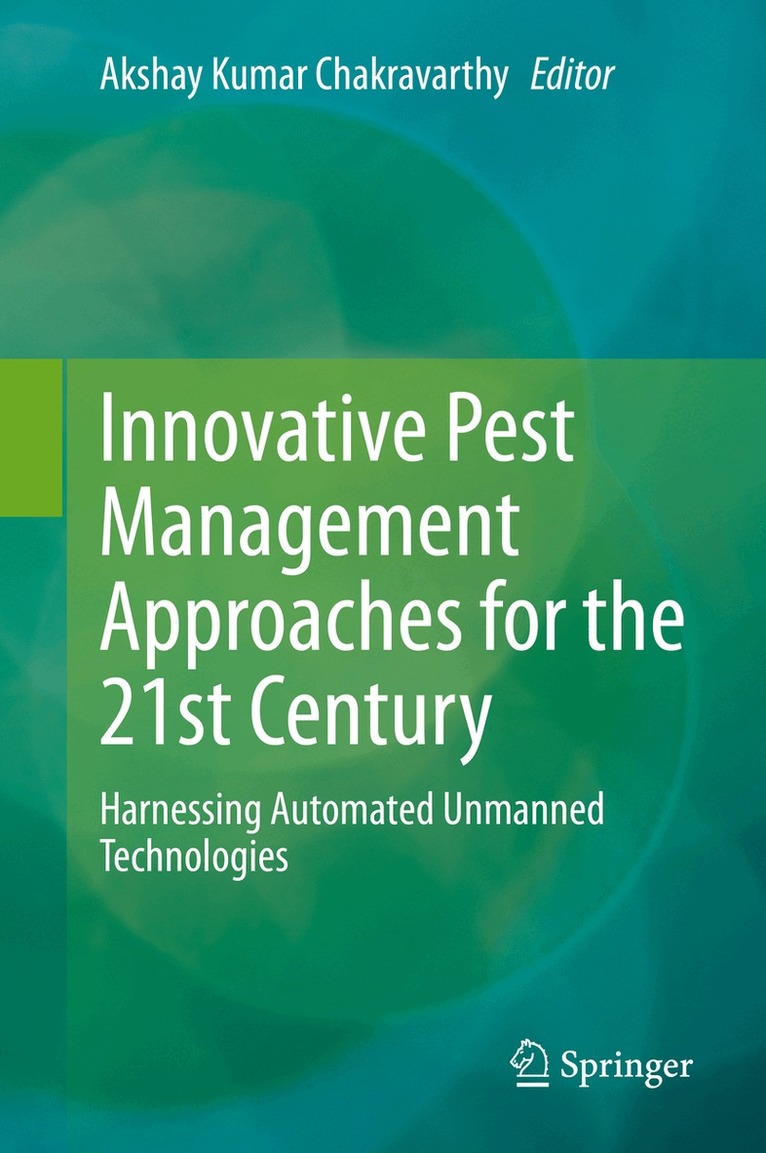
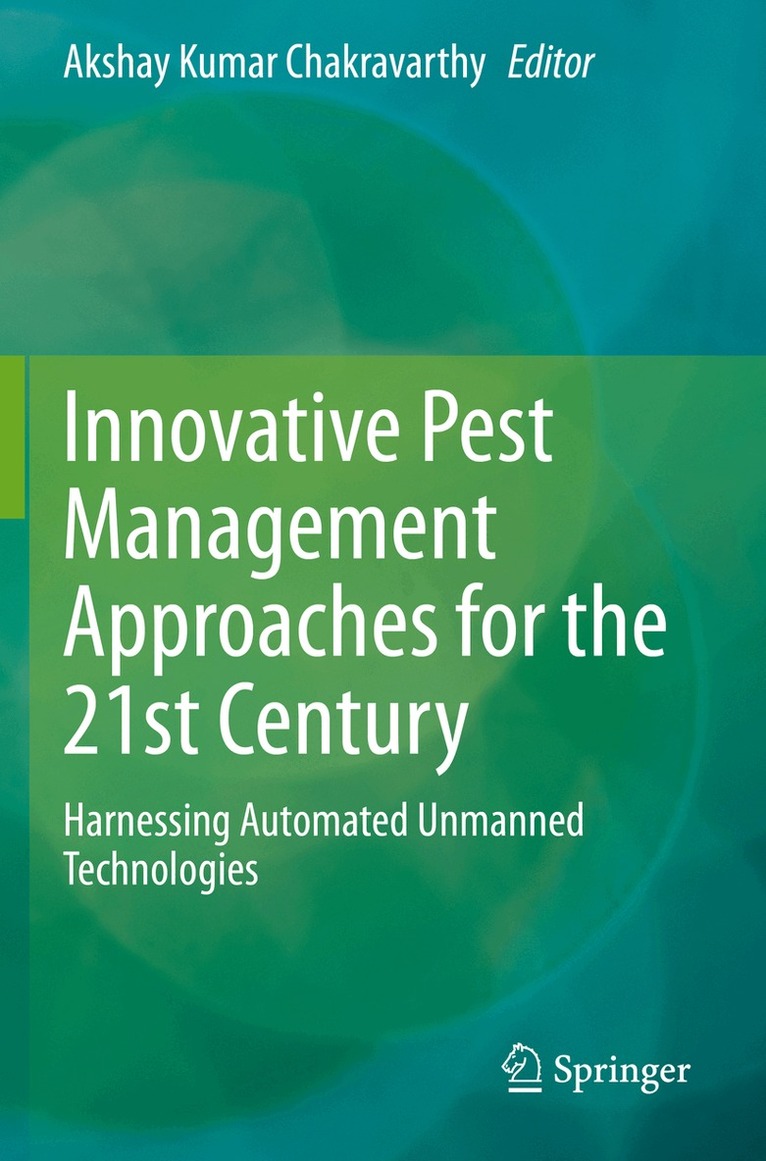
Innovative Pest Management Approaches for the 21st Century
Harnessing Automated Unmanned Technologies
2 138 kr
Skickas inom 10-15 vardagar
Innovative Pest Management Approaches for the 21st Century
Harnessing Automated Unmanned Technologies
2 685 kr
Läs direkt efter köp
Several Integrated Pest Management (IPM) approaches are available for managing pests of varied kinds, including individual and integrated methods for pest suppression. Recently the focus has shifted to pest management tools that act on insect systems selectively, are compatible with the environment, and are not harmful for ecosystems. Other approaches target specific biochemical and physiological aspects of insect metabolism, and involve biotechnological and genetic manipulation. Still other approaches include the use of nanotechnology, endophytes, optical and sonic manipulation to detect and control pest insects.
Unfortunately, conventional forms of pest management do not focus on technology transfer to the ground level workers and farmers. As a result, farmers are incurring huge losses of crops and revenues. This book highlights the importance of using communication tools in pest management and demonstrates some success stories of utilizing automated unmanned technologiesin this context.
The content is divided into three sections, the first of which, “Pest Population Monitoring: Modern Tools,” covers long and short-range pest population monitoring techniques and tools such as satellites, unmanned aerial vehicles/drones, remote sensing, digital tools like GIS, GPS for mapping, lidar, mobile apps, software systems, artificial diet designs and functional diversity of info-chemicals. The second section of the book is devoted to “Emerging Areas in Pest Management” and offers a glimpse of diversified tactics that have been developed to contain and suppress pest populations such as endophytes, insect vectors of phytoplasma, Hymenopterans parasitoids, mass production and utilization of NPV etc. In turn, the third section focuses on “Integrated Pest Management” and presents farming situations that illustrate how research in diversified aspects has helped to find solutions to specific pest problems, and how some new and evolving tactics can be practically implemented. Given its scope, the book offers a valuable asset for entomology and plant pathology researchers, students of zoology and plant protection, and readers whose work involves agriculture, horticulture, forestry and other ecosystems.

Innovative Pest Management Approaches for the 21st Century
Harnessing Automated Unmanned Technologies
2 138 kr
Skickas inom 10-15 vardagar
2 138 kr
Skickas inom 10-15 vardagar
2 741 kr
Läs direkt efter köp
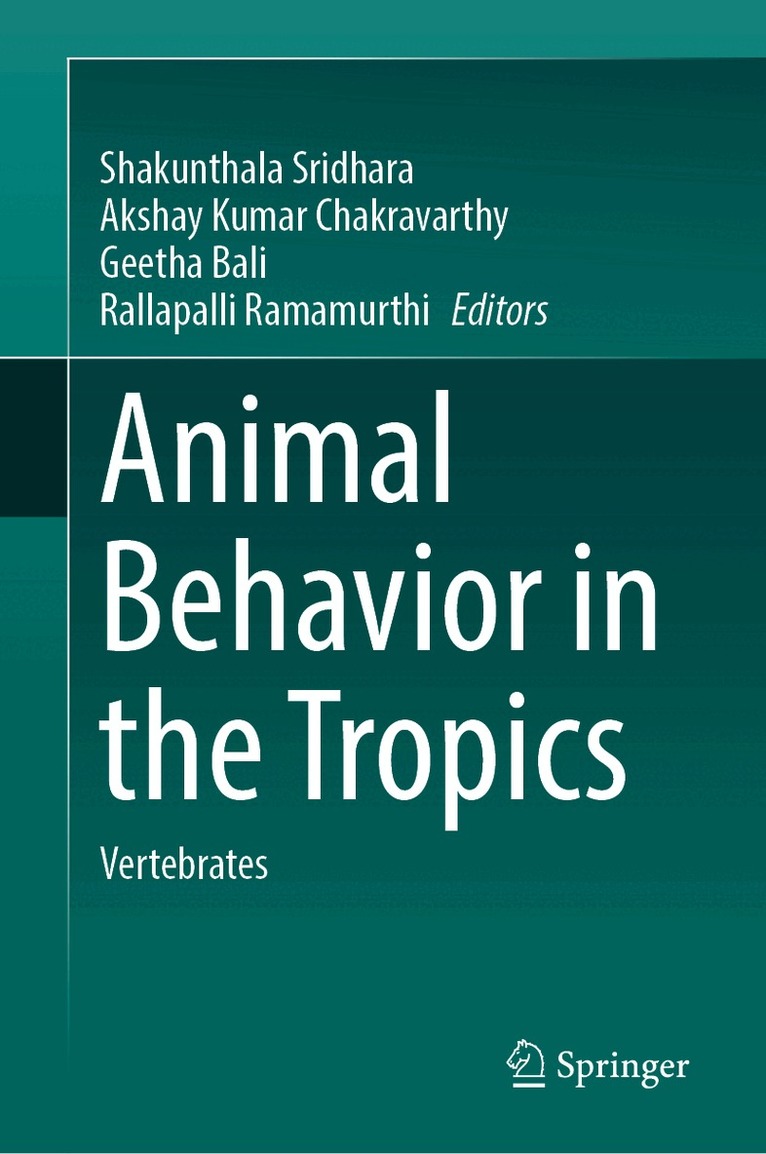
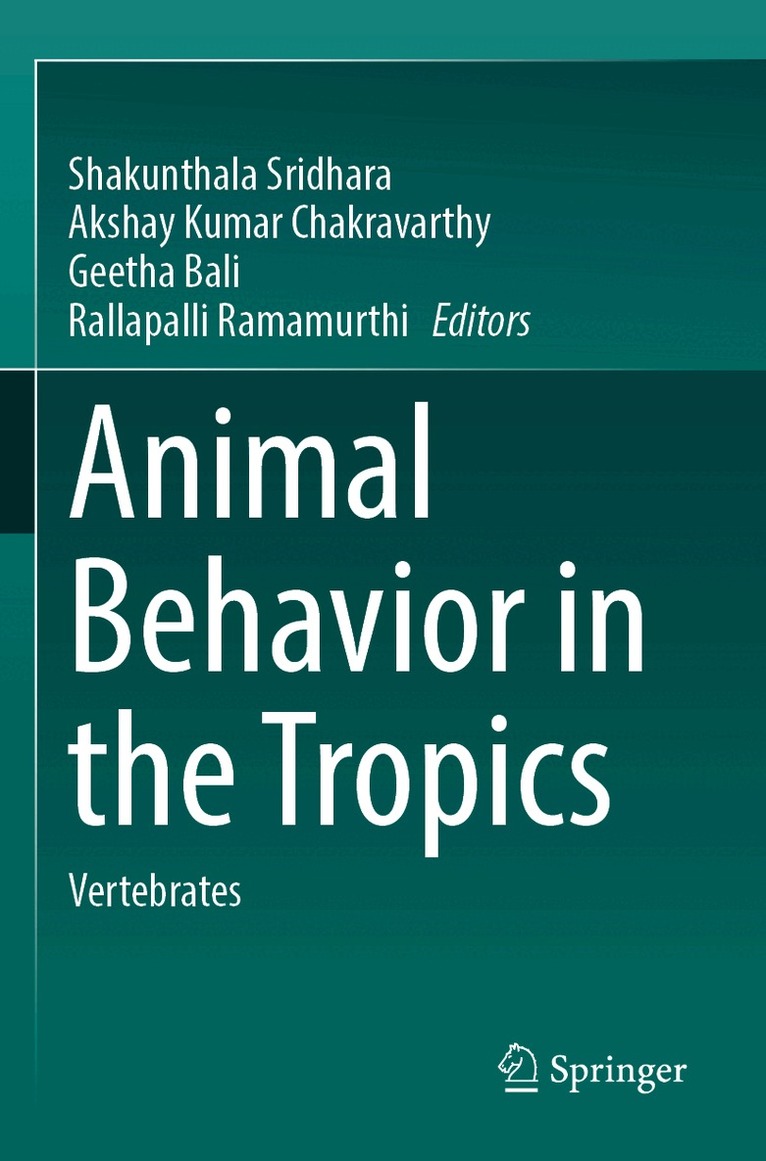
This book discusses trends in animal behavior focusing specifically on vertebrates from the tropical region. It includes topics on a wide range of disciplines such as electrophysiology, molecular biology, reproductive physiology, foraging and feeding behavior, chemical ethology and ecology, in-situ and ex-situ conservation, circadian rhythms, climate change and several other related topics that are of high interest and utility. Tropical countries have a unique and diversified fauna across their different biogeographical habitats. This book covers numerous species of vertebrates from the tropical region and also discusses several case studies to provide detailed information about the recent trends in the animal behavior pattern.
This book is useful for academicians, researchers, ethologists, wildlife specialists and practitioners. This book is also an interesting read for scholars, professors and policy makers involved in the field of zoology, naturalists and wildlife enthusiasts.
2 156 kr
Skickas inom 10-15 vardagar