Aku Visala – författare
Visar alla böcker från författaren Aku Visala. Handla med fri frakt och snabb leverans.
18 produkter
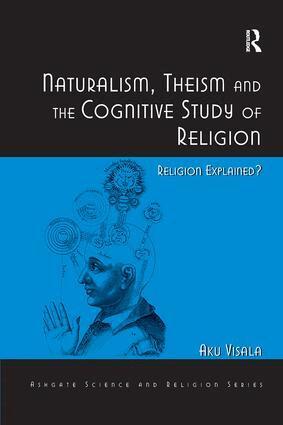
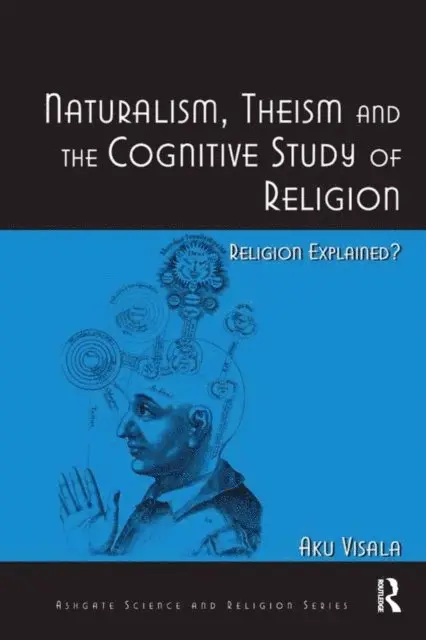
Naturalism, Theism and the Cognitive Study of Religion
Religion Explained?
Av Aku Visala
Häftad, 2016
866 kr
Lägg i varukorg
This book provides a critical philosophical analysis of the claim that contemporary cognitive approaches to religion undermine theistic beliefs. Recent scientific work into the evolution and cognition of religion has been driven by and interpreted in terms of a certain kind of philosophical and …
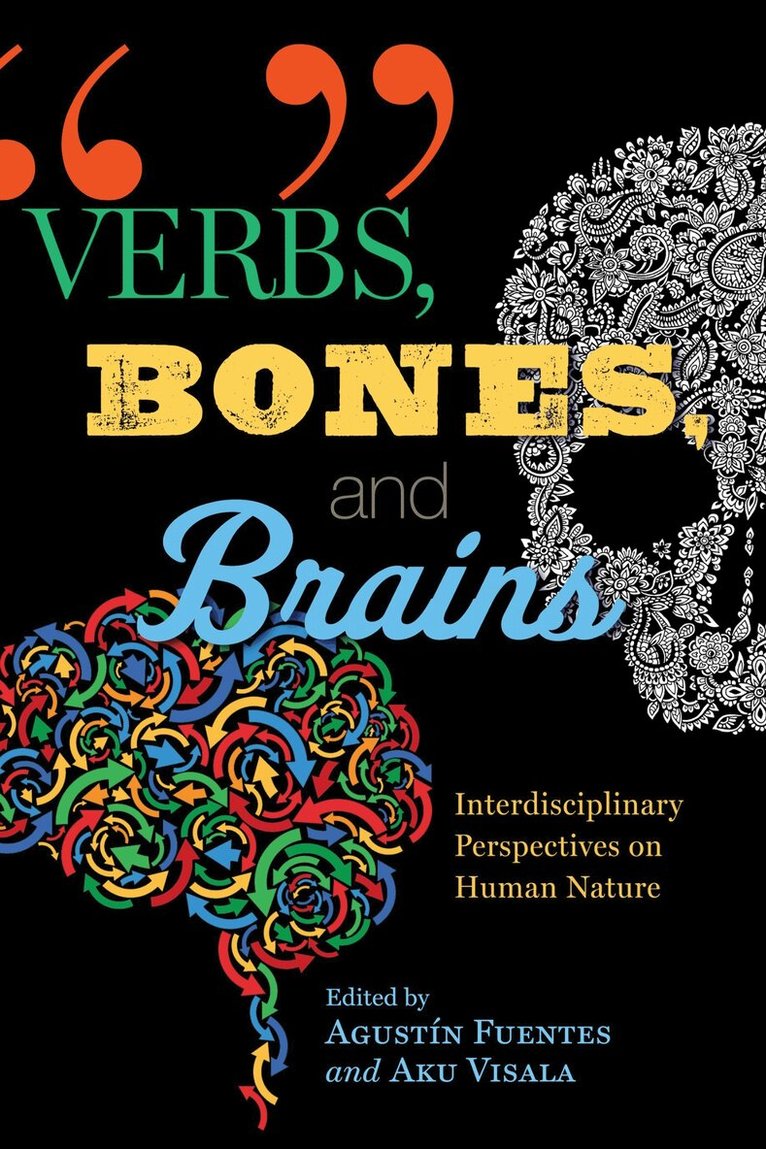
Verbs, Bones, and Brains
Interdisciplinary Perspectives on Human Nature
Av Agustín Fuentes, Aku Visala
Inbunden, 2017
703 kr
Lägg i varukorg
The last few decades have seen an unprecedented surge of empirical and philosophical research into the evolutionary history of Homo sapiens, the origins of the mind/brain, and human culture. This research and its popular interpretations have sparked heated debates about the nature of human beings …
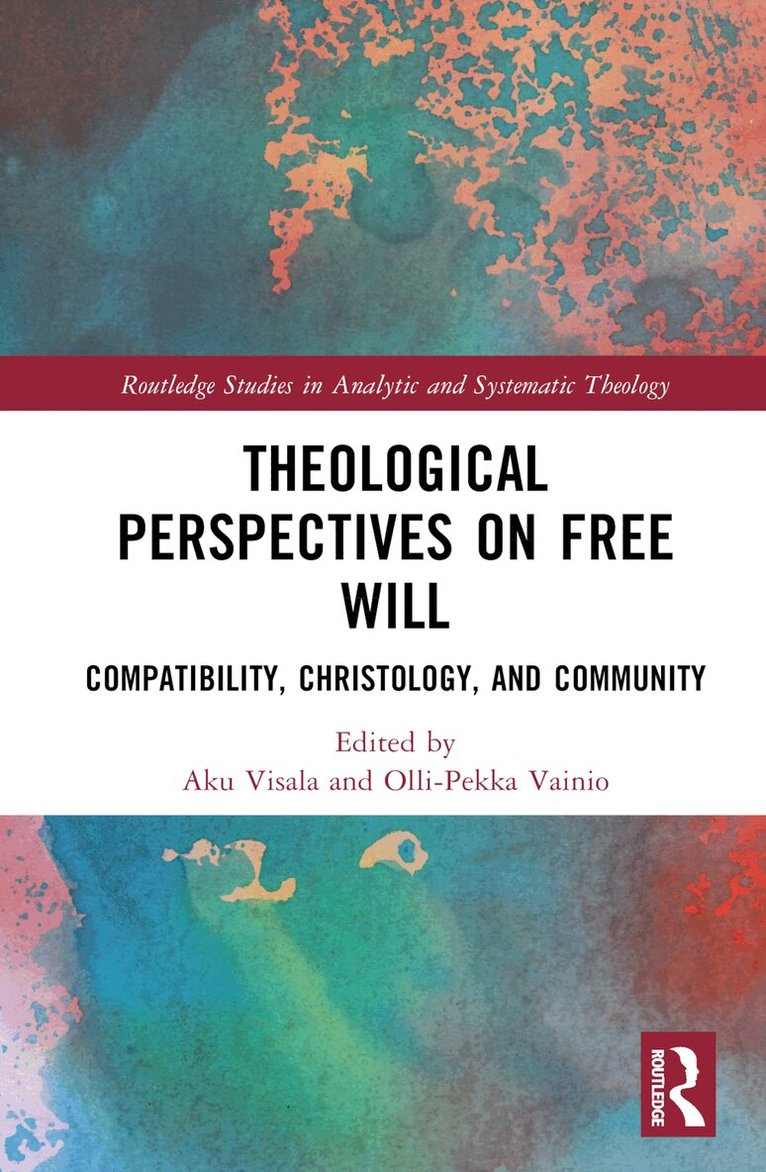
Theological Perspectives on Free Will
Compatibility, Christology, and Community
Av Olli-Pekka Vainio, Aku Visala
E-bok, 2023
746 kr
Lägg i varukorg
Free will is a perennial theological and philosophical topic. As a central dogmatic locus, it is implicated in discussions around core Christian doctrines such as grace, salvation, sin, providence, evil, and predestination. This book offers a state-of-the-art look at recent debates about free will …
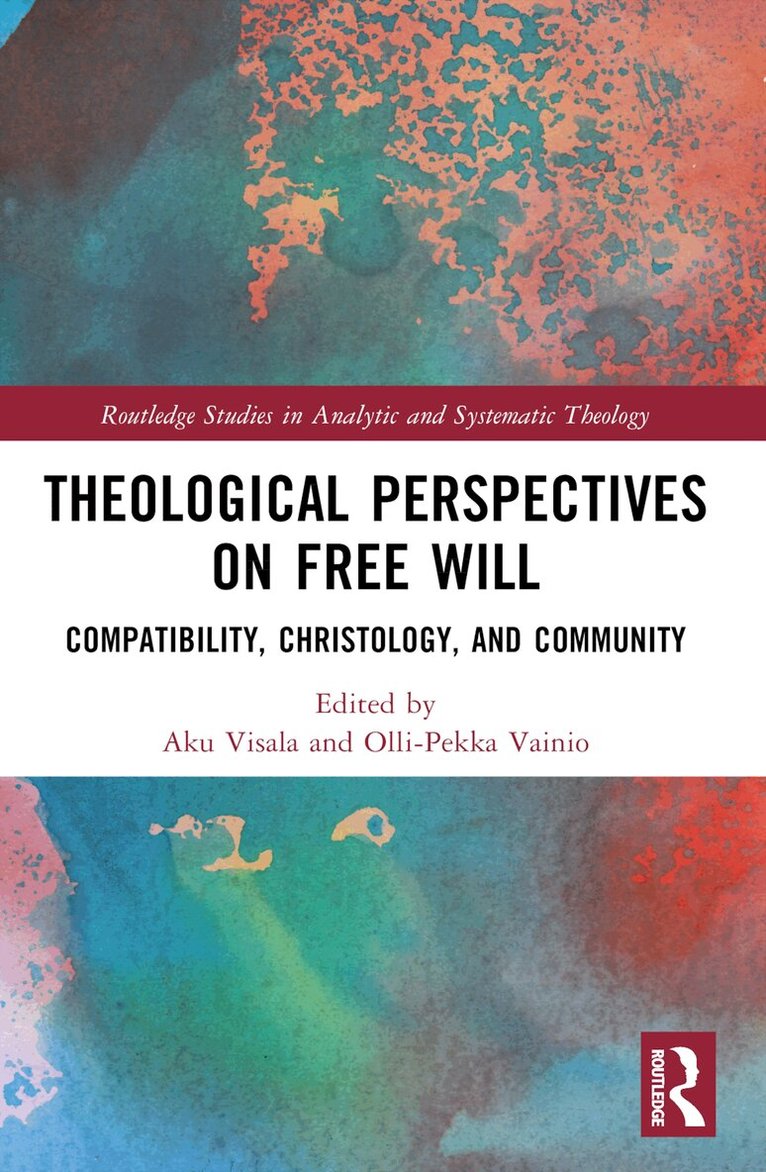
Theological Perspectives on Free Will
Compatibility, Christology, and Community
Av Olli-Pekka Vainio, Aku Visala
E-bok, 2023
746 kr
Lägg i varukorg
Free will is a perennial theological and philosophical topic. As a central dogmatic locus, it is implicated in discussions around core Christian doctrines such as grace, salvation, sin, providence, evil, and predestination. This book offers a state-of-the-art look at recent debates about free will …
Theological Perspectives on Free Will
Compatibility, Christology, and Community
Av Aku Visala, Olli-Pekka Vainio
Inbunden, 2023
2510 kr
Lägg i varukorg
Free will is a perennial theological and philosophical topic. As a central dogmatic locus, it is implicated in discussions around core Christian doctrines such as grace, salvation, sin, providence, evil, and predestination. This book offers a state-of-the-art look at recent debates about free will …
Theological Perspectives on Free Will
Compatibility, Christology, and Community
Av Aku Visala, Olli-Pekka Vainio
Häftad, 2024
647 kr
Lägg i varukorg
Free will is a perennial theological and philosophical topic. As a central dogmatic locus, it is implicated in discussions around core Christian doctrines such as grace, salvation, sin, providence, evil, and predestination. This book offers a state-of-the-art look at recent debates about free will …
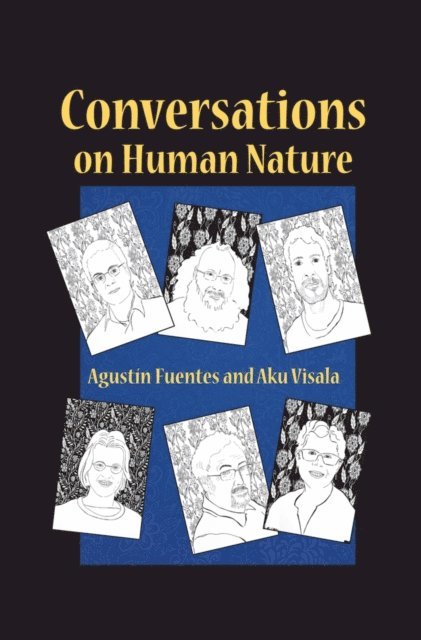
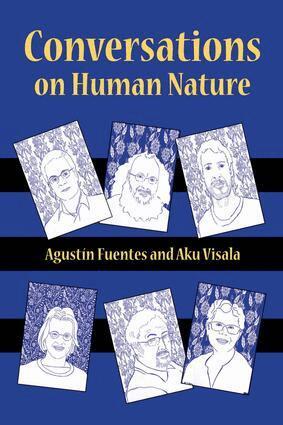
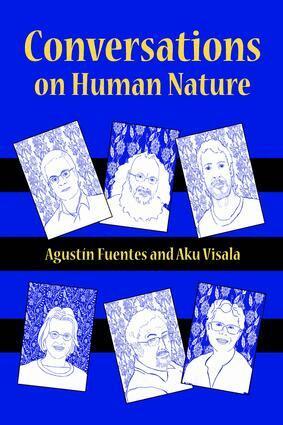
Conversations on Human Nature
Av Aku Visala, Agustin Fuentes
E-bok, 2016
658 kr
Lägg i varukorg
Recent empirical and philosophical research into the evolutionary history of Homo sapiens, the origins of the mind/brain, and the development of human culture has sparked heated debates about what it means to be human and how knowledge about humans from the sciences and humanities should be …
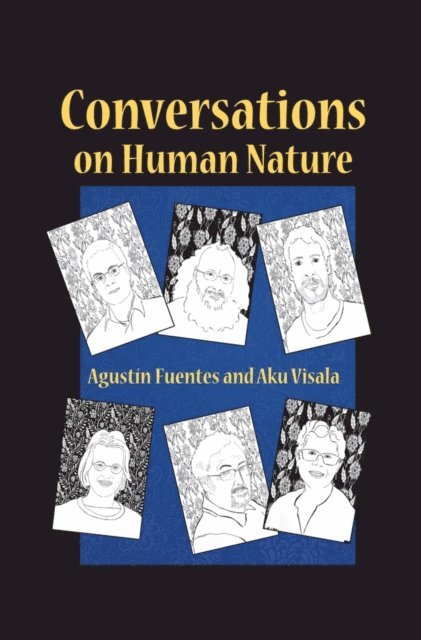
Conversations on Human Nature
Av Aku Visala, Agustin Fuentes
E-bok, 2016
658 kr
Lägg i varukorg
Recent empirical and philosophical research into the evolutionary history of Homo sapiens, the origins of the mind/brain, and the development of human culture has sparked heated debates about what it means to be human and how knowledge about humans from the sciences and humanities should be …
Naturalism, Theism and the Cognitive Study of Religion
Religion Explained?
Av Aku Visala
E-bok, 2016
1000 kr
Lägg i varukorg
This book provides a critical philosophical analysis of the claim that contemporary cognitive approaches to religion undermine theistic beliefs. Recent scientific work into the evolution and cognition of religion has been driven by and interpreted in terms of a certain kind of philosophical and …
Naturalism, Theism and the Cognitive Study of Religion
Religion Explained?
Av Aku Visala
E-bok, 2016
1022 kr
Lägg i varukorg
This book provides a critical philosophical analysis of the claim that contemporary cognitive approaches to religion undermine theistic beliefs. Recent scientific work into the evolution and cognition of religion has been driven by and interpreted in terms of a certain kind of philosophical and …
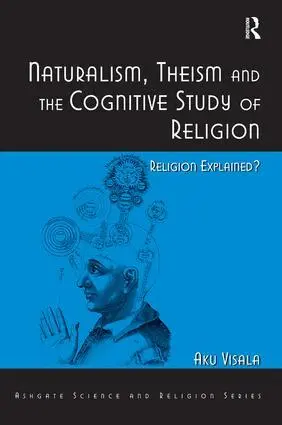
Naturalism, Theism and the Cognitive Study of Religion
Religion Explained?
Av Aku Visala
Inbunden, 2011
2510 kr
Lägg i varukorg
This book provides a critical philosophical analysis of the claim that contemporary cognitive approaches to religion undermine theistic beliefs. Recent scientific work into the evolution and cognition of religion has been driven by and interpreted in terms of a certain kind of philosophical and …
Conversations on Human Nature
Av Agustín Fuentes, Aku Visala
Inbunden, 2015
2510 kr
Lägg i varukorg
Recent empirical and philosophical research into the evolutionary history of Homo sapiens, the origins of the mind/brain, and the development of human culture has sparked heated debates about what it means to be human and how knowledge about humans from the sciences and humanities should be …
Conversations on Human Nature
Av Agustín Fuentes, Aku Visala
Häftad, 2015
633 kr
Lägg i varukorg
Recent empirical and philosophical research into the evolutionary history of Homo sapiens, the origins of the mind/brain, and the development of human culture has sparked heated debates about what it means to be human and how knowledge about humans from the sciences and humanities should be …
Nature of God - Evolution and Religion
Av Aku Visala, Thomas Sukopp m. fl.
E-bok, 2011
227 kr
Lägg i varukorg
To explain religious behavior is a daunting task. One very recent attempt is to explain religious behaviors and religion within an evolutionary framework. In this volume leading experts from various disciplines analyze religion and religiosity as phenomena in a Darwinian world. Is religiosity …
Johdatus uskonnonfilosofiaan
Av Olli-Pekka Vainio, Aku Visala
E-bok, 2016
433 kr
Lägg i varukorg
Voiko kaikkivaltias Jumala luoda kiven, jota hän ei jaksa nostaa? Voiko tiede selittää kaiken, Jumalankin? Ovatko järki ja usko ikuisessa ristiriidassa keskenään? Jumalauskon suhteesta filosofiaan ja tieteeseen on keskusteltu läpi historian. Nykyaikaisen uskonnonfilosofian piirissä väitellään yhä …
Vapaan tahdon filosofia
Av Aku Visala
E-bok, 2019
279 kr
Lägg i varukorg
Kysymykset vapaasta tahdosta liittyvät läheisesti niin etiikkaan, metafysiikkaan, psykologiaan kuin yhteiskuntatieteisiinkin. Miten inhimillistä käyttäytymistä voidaan selittää? Ovatko ihmiset vastuullisia teoistaan? Entä tekoäly ja robotit? Aivojen, tietoisuuden ja vastuun suhteesta keskustellaan …
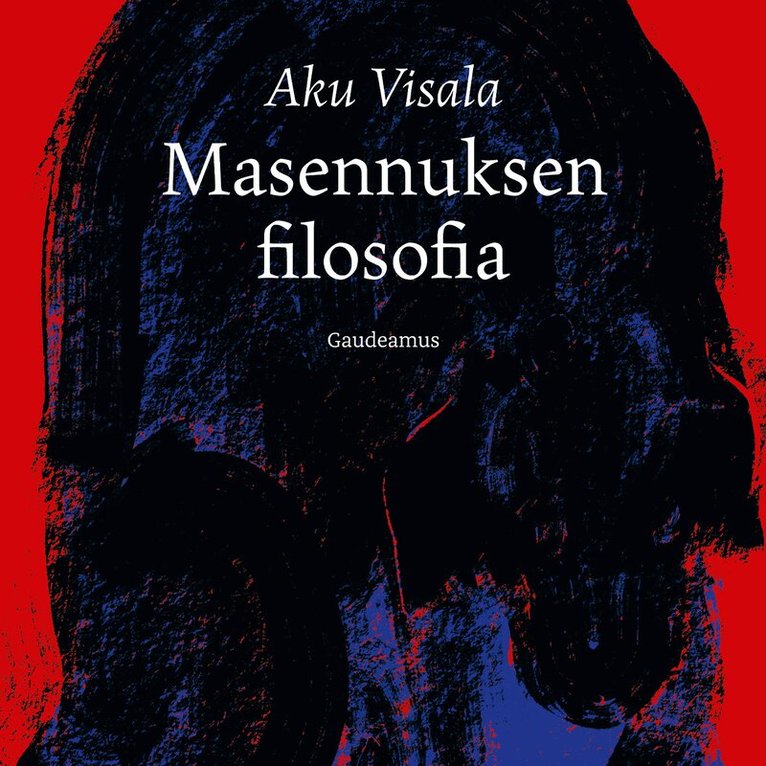
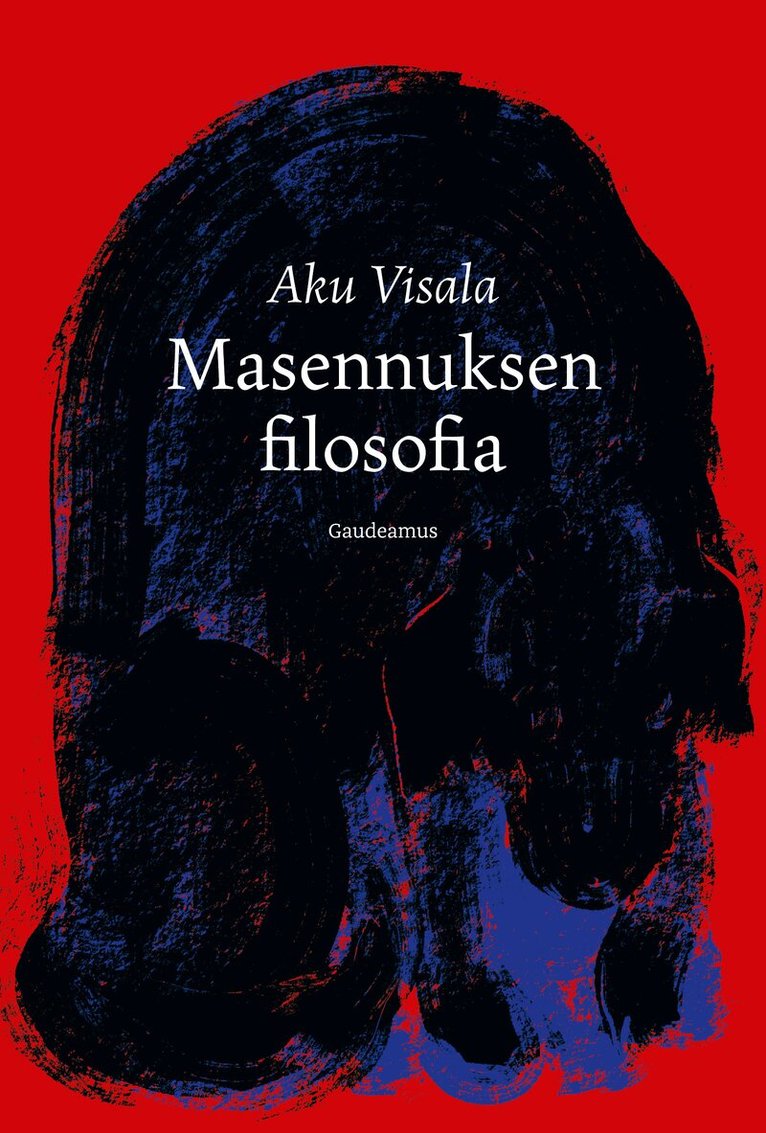
Masennuksen filosofia
Av Aku Visala
Ljudbok, 2026
249 kr
Lägg i varukorg
Masennusta hoidetaan lääkkeillä ja terapialla, mutta se ei silti ole pelkkä mielenterveyden häiriö. Se on myös inhimillinen ja luonnollinen reaktio todellisuutemme synkkiin piirteisiin, joiden kohtaamiselta harva välttyy. Jos masennuksen moniulotteisuudelle halutaan tehdä oikeutta, tarvitaan …
Masennuksen filosofia
Av Aku Visala
E-bok, 2026
258 kr
Lägg i varukorg
Masennusta hoidetaan lääkkeillä ja terapialla, mutta se ei silti ole pelkkä mielenterveyden häiriö. Se on myös inhimillinen ja luonnollinen reaktio todellisuutemme synkkiin piirteisiin, joiden kohtaamiselta harva välttyy. Jos masennuksen moniulotteisuudelle halutaan tehdä oikeutta, tarvitaan …