Alan Hedge – författare
Visar alla böcker från författaren Alan Hedge. Handla med fri frakt och snabb leverans.
17 produkter
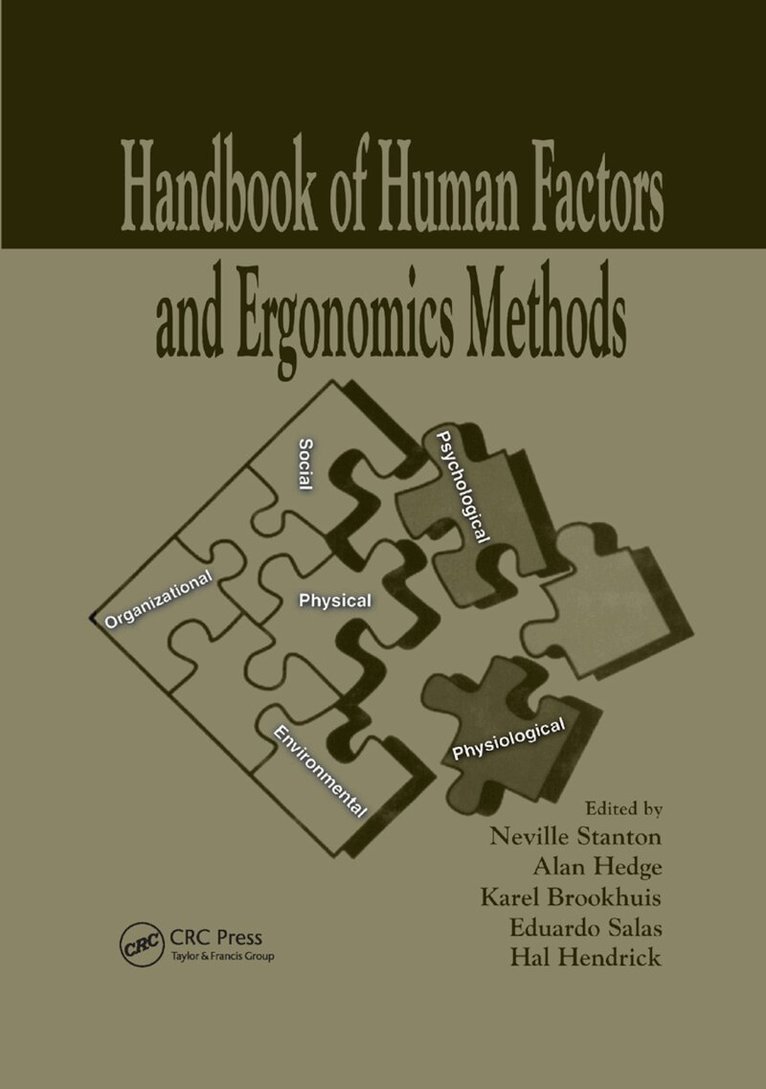
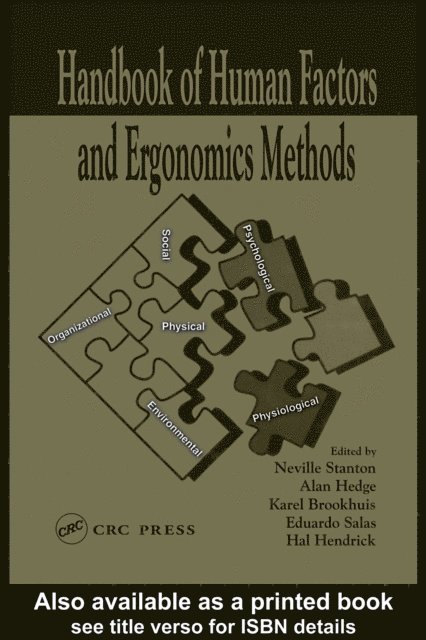
Handbook of Human Factors and Ergonomics Methods
Av Hal W. Hendrick, Eduardo Salas m. fl.
E-bok, 2004
1212 kr
Lägg i varukorg
Research suggests that ergonomists tend to restrict themselves to two or three of their favorite methods in the design of systems, despite a multitude of variations in the problems that they face. Human Factors and Ergonomics Methods delivers an authoritative and practical account of methods that …
Handbook of Human Factors and Ergonomics Methods
Av Neville Anthony Stanton, Alan Hedge m. fl.
Häftad, 2019
1026 kr
Lägg i varukorg
Research suggests that ergonomists tend to restrict themselves to two or three of their favorite methods in the design of systems, despite a multitude of variations in the problems that they face. Human Factors and Ergonomics Methods delivers an authoritative and practical account of methods that …
Handbook of Human Factors and Ergonomics Methods
Av Neville Anthony Stanton, Alan Hedge m. fl.
Inbunden, 2004
2743 kr
Lägg i varukorg
Research suggests that ergonomists tend to restrict themselves to two or three of their favorite methods in the design of systems, despite a multitude of variations in the problems that they face. Human Factors and Ergonomics Methods delivers an authoritative and practical account of methods that …
Keeping Buildings Healthy
How to Monitor and Prevent Indoor Environment Problems
Av James T. O'Reilly, Philip Hagan m. fl.
Inbunden, 1998
2456 kr
Lägg i varukorg
A complete prevention and planning guide for professionals concerned with building-related illness The dramatic increase in claims of illness related to building conditions has created an urgent need for information and advice on all aspects of this complicated topic. Keeping Buildings Healthy …
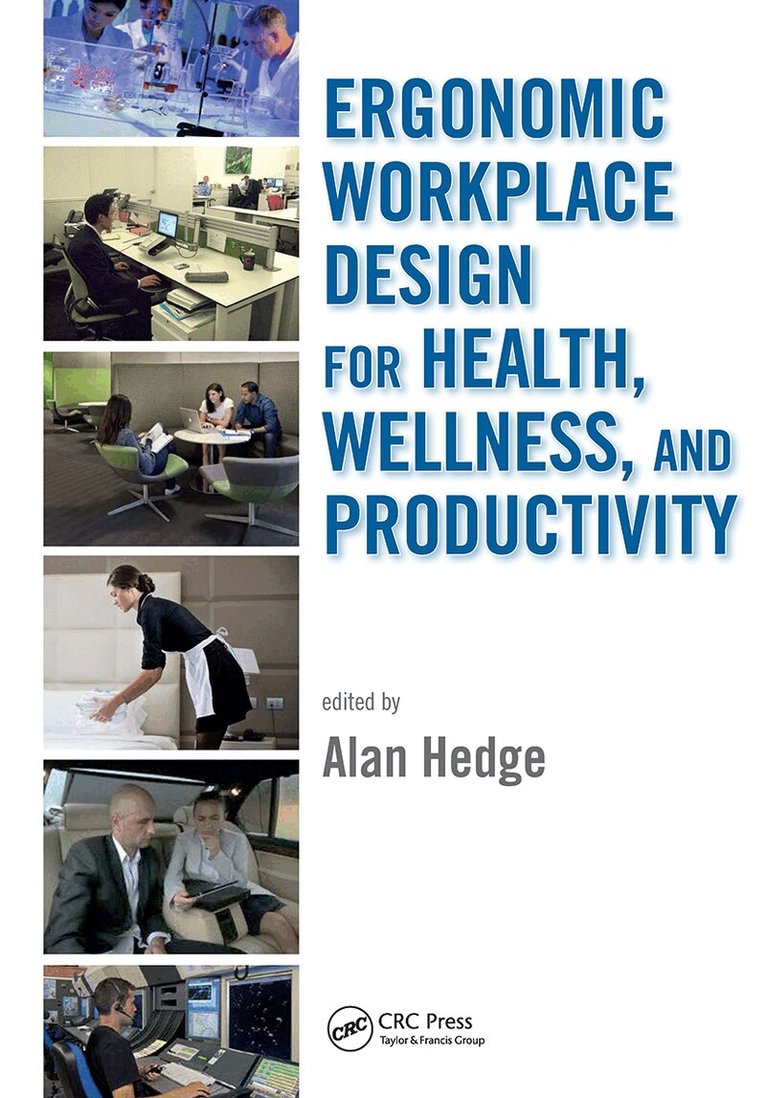
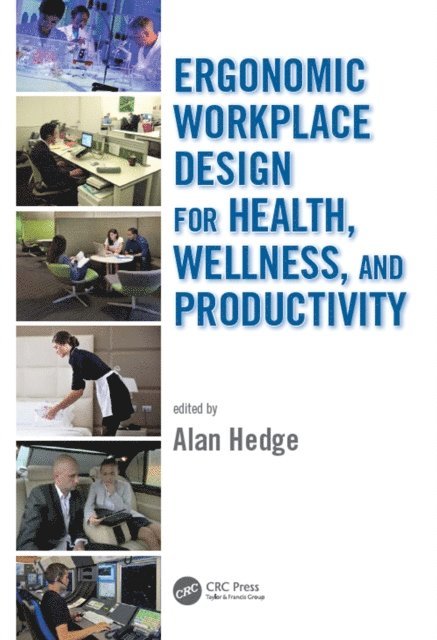
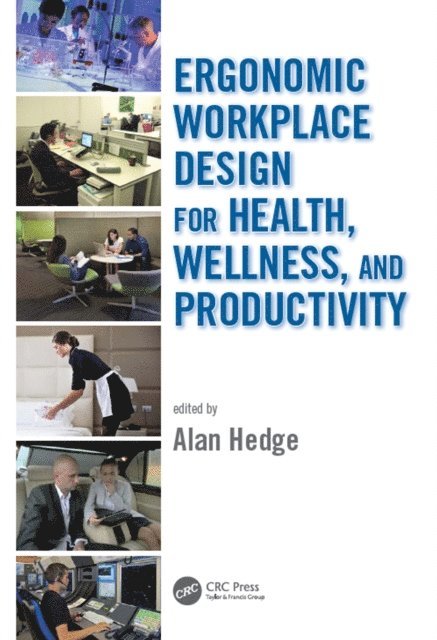
Ergonomic Workplace Design for Health, Wellness, and Productivity
Av Alan Hedge
Häftad, 2024
749 kr
Lägg i varukorg
Even with today’s mobile technology, most work is still undertaken in a physical workplace. Today’s workplaces need to be healthy environments that minimize the risks of illnesses or injuries to occupants to compete in the marketplace. This necessitates the application of good ergonomics design …
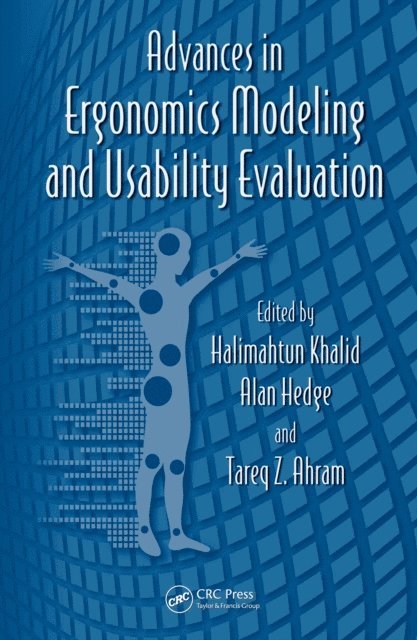
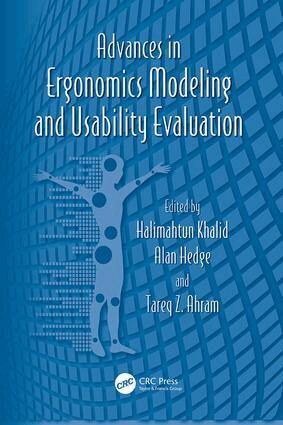
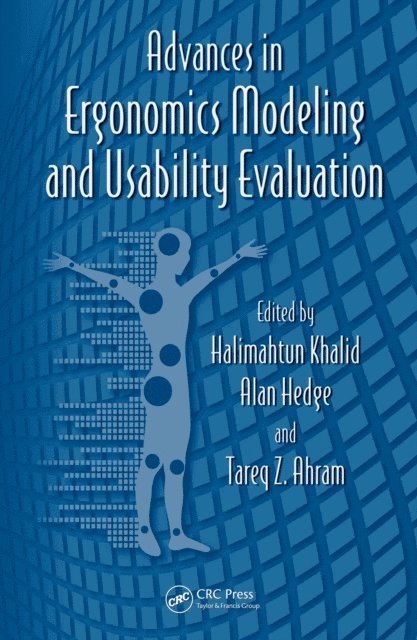
Advances in Ergonomics Modeling and Usability Evaluation
Av Tareq Z. Ahram, Alan Hedge m. fl.
E-bok, 2010
1406 kr
Lägg i varukorg
Taking the field of human factors and ergonomics beyond state of the art, this volume focuses on advances in the use of ergonomics modeling and on the evaluation of usability, a critical aspect of any human-technology system. The research described in the book''s 70 chapters is an outcome of …
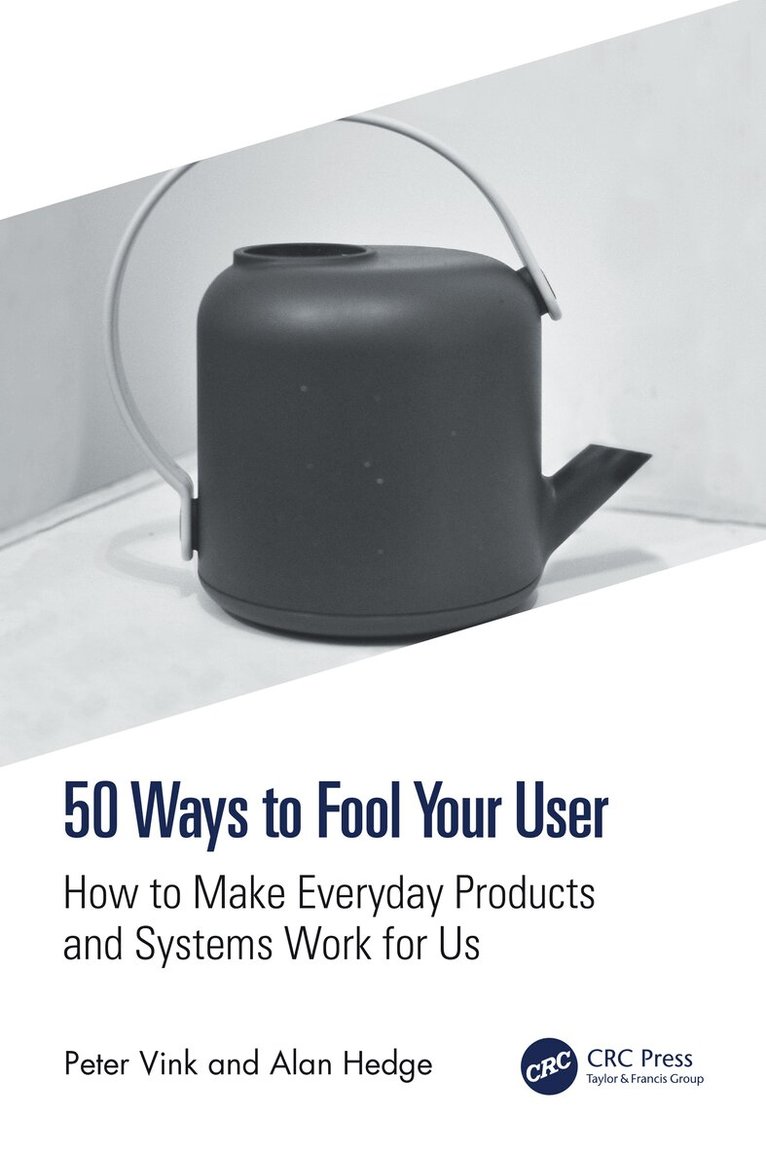
50 Ways to Fool Your User
How to Make Everyday Products and Systems Work for Us
Av Alan Hedge, Peter Vink
E-bok, 2025
363 kr
Lägg i varukorg
From the way we interact with our workspaces to the simple act of changing a duvet cover, the world around us is shaped by design, and not always for the better. This book offers an engaging look at how everyday objects and systems can confuse, frustrate or even hinder us, yet also explores how a …
50 Ways to Fool Your User
How to Make Everyday Products and Systems Work for Us
Av Alan Hedge, Peter Vink
E-bok, 2025
367 kr
Lägg i varukorg
From the way we interact with our workspaces to the simple act of changing a duvet cover, the world around us is shaped by design, and not always for the better. This book offers an engaging look at how everyday objects and systems can confuse, frustrate or even hinder us, yet also explores how a …
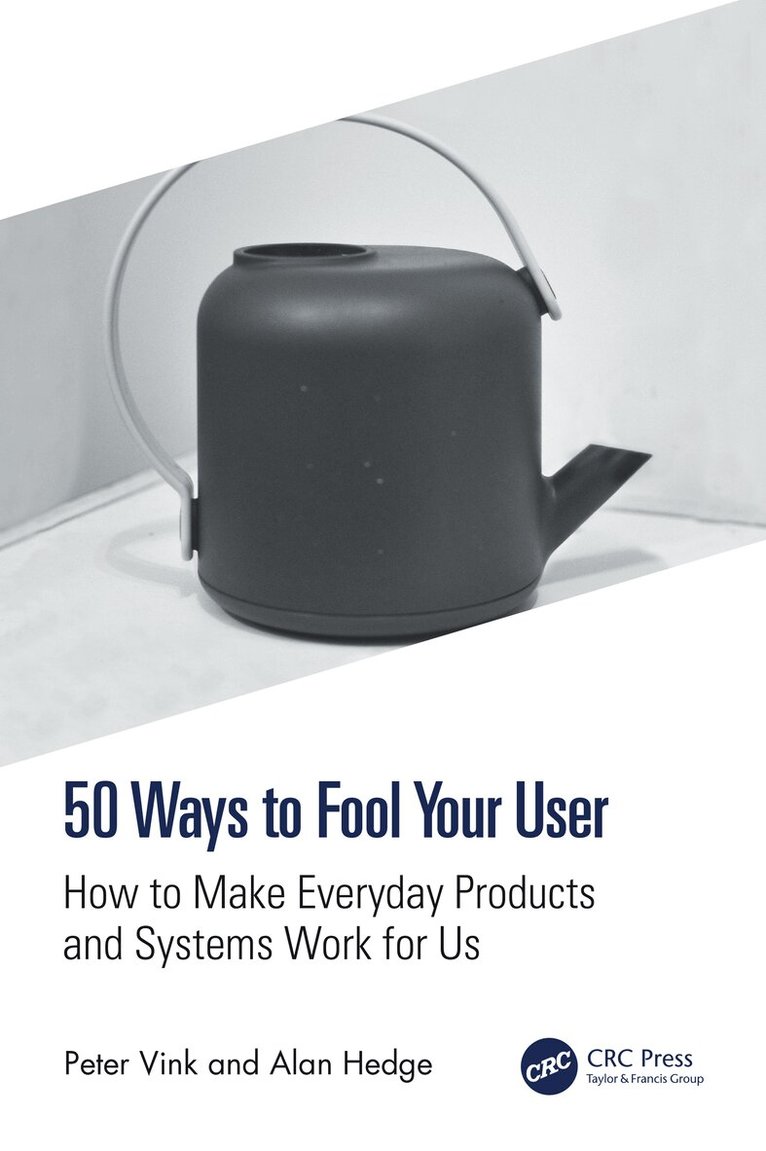
50 Ways to Fool Your User
How to Make Everyday Products and Systems Work for Us
Av Peter Vink, Alan Hedge
Häftad, 2025
322 kr
Lägg i varukorg
From the way we interact with our workspaces to the simple act of changing a duvet cover, the world around us is shaped by design, and not always for the better. This book offers an engaging look at how everyday objects and systems can confuse, frustrate or even hinder us, yet also explores how a …
50 Ways to Fool Your User
How to Make Everyday Products and Systems Work for Us
Av Peter Vink, Alan Hedge
Inbunden, 2025
787 kr
Lägg i varukorg
From the way we interact with our workspaces to the simple act of changing a duvet cover, the world around us is shaped by design, and not always for the better. This book offers an engaging look at how everyday objects and systems can confuse, frustrate or even hinder us, yet also explores how a …
Handbook of Human Factors and Ergonomics Methods
Av Hal W. Hendrick, Eduardo Salas m. fl.
E-bok, 2004
1212 kr
Lägg i varukorg
Research suggests that ergonomists tend to restrict themselves to two or three of their favorite methods in the design of systems, despite a multitude of variations in the problems that they face. Human Factors and Ergonomics Methods delivers an authoritative and practical account of methods that …
Advances in Ergonomics Modeling and Usability Evaluation
Av Halimahtun Khalid, Alan Hedge m. fl.
Häftad, 2017
1215 kr
Lägg i varukorg
Taking the field of human factors and ergonomics beyond state of the art, this volume focuses on advances in the use of ergonomics modeling and on the evaluation of usability, which is a critical aspect of any human-technology system. The research described in the book's 70 chapters is an outcome …
Ergonomic Workplace Design for Health, Wellness, and Productivity
Av Alan Hedge
E-bok, 2016
749 kr
Lägg i varukorg
Even with today’s mobile technology, most work is still undertaken in a physical workplace. Today’s workplaces need to be healthy environments that minimize the risks of illnesses or injuries to occupants to compete in the marketplace. This necessitates the application of good ergonomics design …
Advances in Ergonomics Modeling and Usability Evaluation
Av Halimahtun Khalid, Alan Hedge m. fl.
Inbunden, 2010
3427 kr
Lägg i varukorg
Taking the field of human factors and ergonomics beyond state of the art, this volume focuses on advances in the use of ergonomics modeling and on the evaluation of usability, which is a critical aspect of any human-technology system. The research described in the book's 70 chapters is an outcome …
Advances in Ergonomics Modeling and Usability Evaluation
Av Tareq Z. Ahram, Alan Hedge m. fl.
E-bok, 2010
1406 kr
Lägg i varukorg
Taking the field of human factors and ergonomics beyond state of the art, this volume focuses on advances in the use of ergonomics modeling and on the evaluation of usability, a critical aspect of any human-technology system. The research described in the book''s 70 chapters is an outcome of …
Ergonomic Workplace Design for Health, Wellness, and Productivity
Av Alan Hedge
Inbunden, 2016
2743 kr
Lägg i varukorg
Even with today’s mobile technology, most work is still undertaken in a physical workplace. Today’s workplaces need to be healthy environments that minimize the risks of illnesses or injuries to occupants to compete in the marketplace. This necessitates the application of good ergonomics design …
Ergonomic Workplace Design for Health, Wellness, and Productivity
Av Alan Hedge
E-bok, 2016
749 kr
Lägg i varukorg
Even with today’s mobile technology, most work is still undertaken in a physical workplace. Today’s workplaces need to be healthy environments that minimize the risks of illnesses or injuries to occupants to compete in the marketplace. This necessitates the application of good ergonomics design …