Alexander Marr - Böcker
Visar alla böcker från författaren Alexander Marr. Handla med fri frakt och snabb leverans.
4 produkter
4 produkter
1 442 kr
Skickas inom 5-8 vardagar
What is criticism? And where is it to be found? Thinking about literature and the visual arts is found in many places - in treatises, apologies, and paragoni; in prefaces, letters, and essays; in commentaries, editions, reading notes, and commonplace books; in images, sculptures, and built spaces; within or on the thresholds of works of poetry and visual art. It is situated between different disciplines and methods. Critical ideas and methods come into England from other countries, and take root in particular locations - the court, the Inns of Court, the theatre, the great house, the printer's shop, the university. The practice of criticism is transplanted to the Americas and attempts to articulate the place of poetry in a new world. And commonplaces of classical poetics and rhetoric serve both to connect and to measure the space between different critical discourses. Tracing the history of the development of early modern thinking about literature and the visual arts requires consideration of various kinds of place - material, textual, geographical - and the practices particular to those places; it also requires that those different places be brought into dialogue with each other. This book brings together scholars working in departments of English, modern languages, and art history to look at the many different places of early modern criticism. It argues polemically for the necessity of looking afresh at the scope of criticism, and at what happens on its margins; and for interrogating our own critical practices and disciplinary methods by investigating their history.
2 160 kr
Skickas inom 10-15 vardagar
'Curiosity' and 'wonder' are topics of increasing interest and importance to Renaissance and Enlightenment historians. Conspicuous in a host of disciplines from history of science and technology to history of art, literature, and society, both have assumed a prominent place in studies of the Early Modern period. This volume brings together an international group of scholars to investigate the various manifestations of, and relationships between, 'curiosity' and 'wonder' from the 16th to the 18th centuries. Focused case studies on texts, objects and individuals explore the multifaceted natures of these themes, highlighting the intense fascination and continuing scrutiny to which each has been subjected over three centuries. From instances of curiosity in New World exploration to the natural wonders of 18th-century Italy, Curiosity and Wonder from the Renaissance to the Enlightenment locates its subjects in a broad geographical and disciplinary terrain. Taken together, the essays presented here construct a detailed picture of two complex themes, demonstrating the extent to which both have been transformed and reconstituted, often with dramatic results.
Ingenuity in the Making
Materials and Technique in Early Modern Art and Science
Inbunden, Engelska, 2021
872 kr
Tillfälligt slut
Ingenuity in the Making explores the myriad ways in which ingenuity shaped the experience, discourse and conceptualization of materials and their manipulation in early modern Europe. Contributions range widely across the arts and sciences, examining objects and texts, professions and performances, concepts and practices. The book considers subjects such as spirited matter, the conceits of nature, and crafty devices, investigating the ways in which wit acted in and upon the material world through skill and technique. Contributors ask how ingenuity informed the “maker’s knowledge” tradition, where the perilous borderline between the genius of invention and disingenuous fraud was drawn, and what were the ambitions of material ingenuity in a rapidly globalizing world.
189 kr
Skickas inom 7-10 vardagar
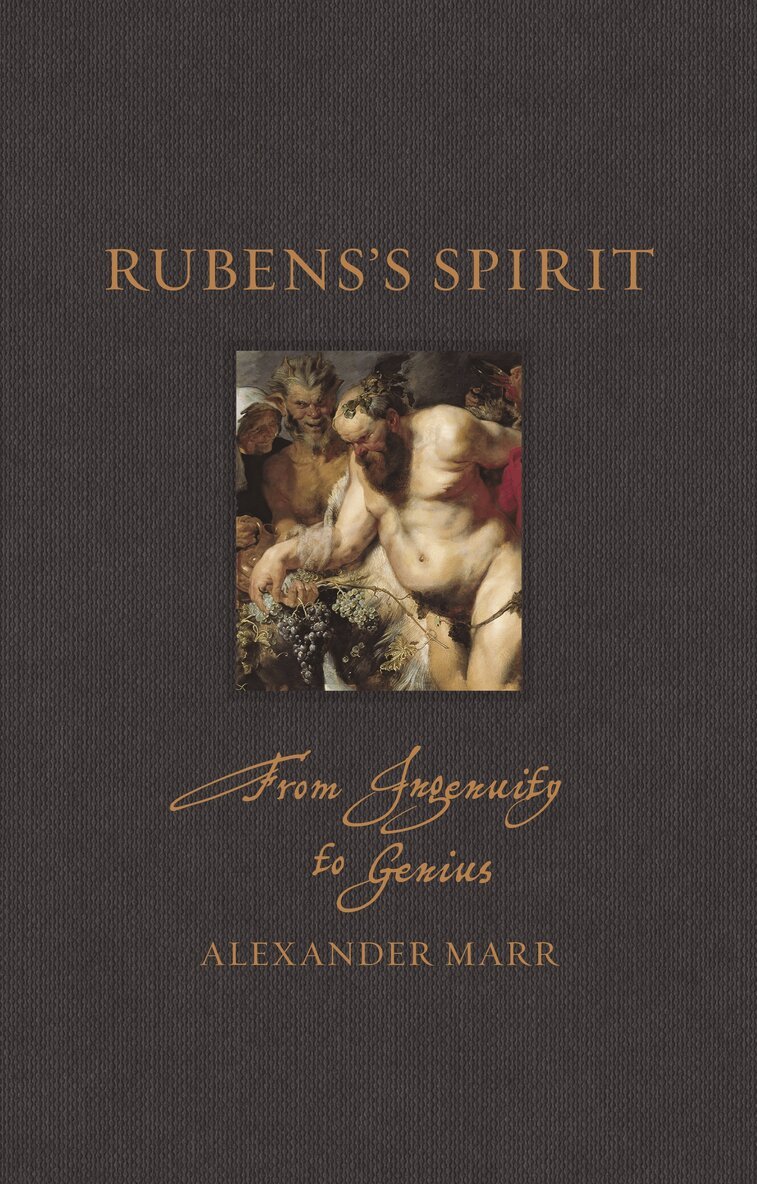
Peter Paul Rubens was the most inventive and prolific northern European artist of his age. This book discusses his life and work in relation to three interrelated themes: spirit, ingenuity and genius. It argues that Rubens and his reception were pivotal in the transformation of early modern ingenuity into Romantic genius. Ranging across the artist’s entire career, it explores Rubens’s engagement with these themes in his art and biography. The book looks at Rubens’s forays into altarpiece painting in Italy as well as his collaborations with fellow artists in his hometown of Antwerp, and his complex relationship with the spirit of pleasure. It concludes with his late landscapes in connection to genius loci, the spirit of the place.