Allan T. Kirkpatrick – författare
1 249 kr
Skickas
1 496 kr
Läs direkt efter köp
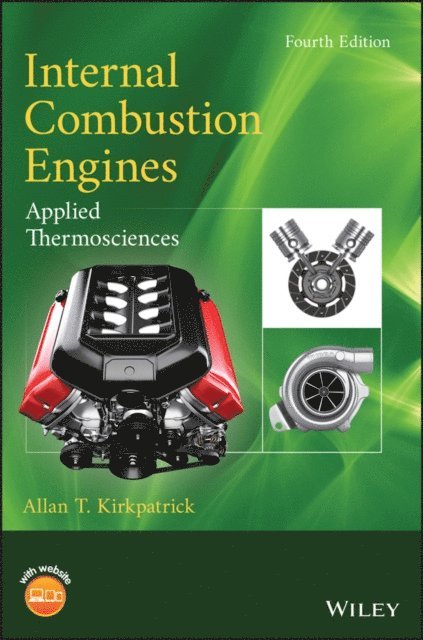
A comprehensive resource covering the foundational thermal-fluid sciences and engineering analysis techniques used to design and develop internal combustion engines
Internal Combustion Engines: Applied Thermosciences, Fourth Edition combines foundational thermal-fluid sciences with engineering analysis techniques for modeling and predicting the performance of internal combustion engines.
This new 4th edition includes brand new material on:
New engine technologies and concepts Effects of engine speed on performance and emissions Fluid mechanics of intake and exhaust flow in engines Turbocharger and supercharger performance analysis Chemical kinetic modeling, reaction mechanisms, and emissions Advanced combustion processes including low temperature combustion Piston, ring and journal bearing friction analysisThe 4th Edition expands on the combined analytical and numerical approaches used successfully in previous editions. Students and engineers are provided with several new tools for applying the fundamental principles of thermodynamics, fluid mechanics, and heat transfer to internal combustion engines.
Each chapter includes MATLAB programs and examples showing how to perform detailed engineering computations. The chapters also have an increased number of homework problems with which the reader can gauge their progress and retention. All the software is ‘open source’ so that readers can see in detail how computational analysis and the design of engines is performed. A companion website is also provided, offering access to the MATLAB computer programs.
1 496 kr
Läs direkt efter köp
A comprehensive resource covering the foundational thermal-fluid sciences and engineering analysis techniques used to design and develop internal combustion engines
Internal Combustion Engines: Applied Thermosciences, Fourth Edition combines foundational thermal-fluid sciences with engineering analysis techniques for modeling and predicting the performance of internal combustion engines.
This new 4th edition includes brand new material on:
New engine technologies and concepts Effects of engine speed on performance and emissions Fluid mechanics of intake and exhaust flow in engines Turbocharger and supercharger performance analysis Chemical kinetic modeling, reaction mechanisms, and emissions Advanced combustion processes including low temperature combustion Piston, ring and journal bearing friction analysisThe 4th Edition expands on the combined analytical and numerical approaches used successfully in previous editions. Students and engineers are provided with several new tools for applying the fundamental principles of thermodynamics, fluid mechanics, and heat transfer to internal combustion engines.
Each chapter includes MATLAB programs and examples showing how to perform detailed engineering computations. The chapters also have an increased number of homework problems with which the reader can gauge their progress and retention. All the software is ‘open source’ so that readers can see in detail how computational analysis and the design of engines is performed. A companion website is also provided, offering access to the MATLAB computer programs.
1 529 kr
Skickas
1 603 kr
Läs direkt efter köp
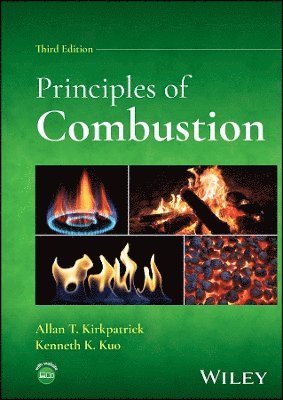
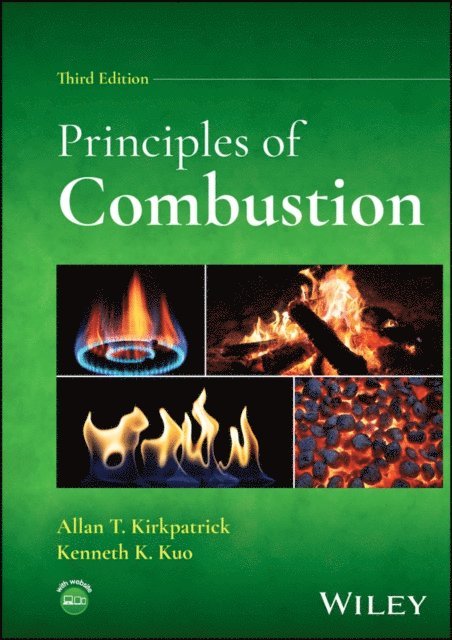
The new edition of a classic textbook on combustion principles and processes, covering the latest developments in fuels and applications in a student-friendly format
Principles of Combustion provides clear and authoritative coverage of chemically reacting flow systems. Detailed and accessible chapters cover key combustion topics such as chemical kinetics, reaction mechanisms, laminar flames, droplet evaporation and burning, and turbulent reacting flows. Numerous figures, end-of-chapter problems, extensive reference materials, and examples of specific combustion applications are integrated throughout the text.
Newly revised and expanded, Principles of Combustion makes it easier for students to absorb and master each concept covered by presenting content through smaller, bite-sized chapters. Two entirely new chapters on turbulent reacting flows and solid fuel combustion are accompanied by additional coverage of low carbon fuels such as hydrogen, natural gas, and renewable fuels. This new edition contains a wealth of new homework problems, new application examples, up-to-date references, and access to a new companion website with MATLAB files that students can use to run different combustion cases.
Fully updated to meet the needs of today’s students and instructors, Principles of Combustion:
Provides problem-solving techniques that draw from thermodynamics, fluid mechanics, and chemistry Addresses contemporary topics such as zero carbon combustion, turbulent combustion, and sustainable fuels Discusses the role of combustion emissions in climate change and the need for reducing reliance on carbon-based fossil fuels Covers a wide range of combustion application areas, including internal combustion engines, industrial heating, and materials processingContaining both introductory and advanced material on various combustion topics, Principles of Combustion, Third Edition, is an essential textbook for upper-level undergraduate and graduate courses on combustion, combustion theory, and combustion processes. It is also a valuable reference for combustion engineers and scientists wanting to better understand a particular combustion problem.
1 603 kr
Läs direkt efter köp
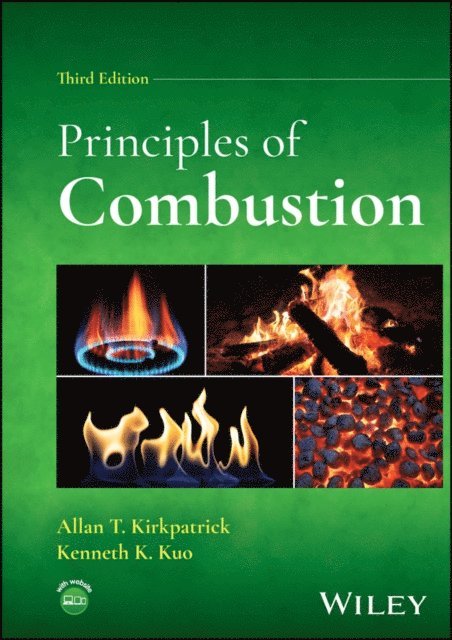
The new edition of a classic textbook on combustion principles and processes, covering the latest developments in fuels and applications in a student-friendly format
Principles of Combustion provides clear and authoritative coverage of chemically reacting flow systems. Detailed and accessible chapters cover key combustion topics such as chemical kinetics, reaction mechanisms, laminar flames, droplet evaporation and burning, and turbulent reacting flows. Numerous figures, end-of-chapter problems, extensive reference materials, and examples of specific combustion applications are integrated throughout the text.
Newly revised and expanded, Principles of Combustion makes it easier for students to absorb and master each concept covered by presenting content through smaller, bite-sized chapters. Two entirely new chapters on turbulent reacting flows and solid fuel combustion are accompanied by additional coverage of low carbon fuels such as hydrogen, natural gas, and renewable fuels. This new edition contains a wealth of new homework problems, new application examples, up-to-date references, and access to a new companion website with MATLAB files that students can use to run different combustion cases.
Fully updated to meet the needs of today’s students and instructors, Principles of Combustion:
Provides problem-solving techniques that draw from thermodynamics, fluid mechanics, and chemistry Addresses contemporary topics such as zero carbon combustion, turbulent combustion, and sustainable fuels Discusses the role of combustion emissions in climate change and the need for reducing reliance on carbon-based fossil fuels Covers a wide range of combustion application areas, including internal combustion engines, industrial heating, and materials processingContaining both introductory and advanced material on various combustion topics, Principles of Combustion, Third Edition, is an essential textbook for upper-level undergraduate and graduate courses on combustion, combustion theory, and combustion processes. It is also a valuable reference for combustion engineers and scientists wanting to better understand a particular combustion problem.
1 557 kr
Kommande
874 kr
Skickas inom 10-15 vardagar
840 kr
Läs direkt efter köp
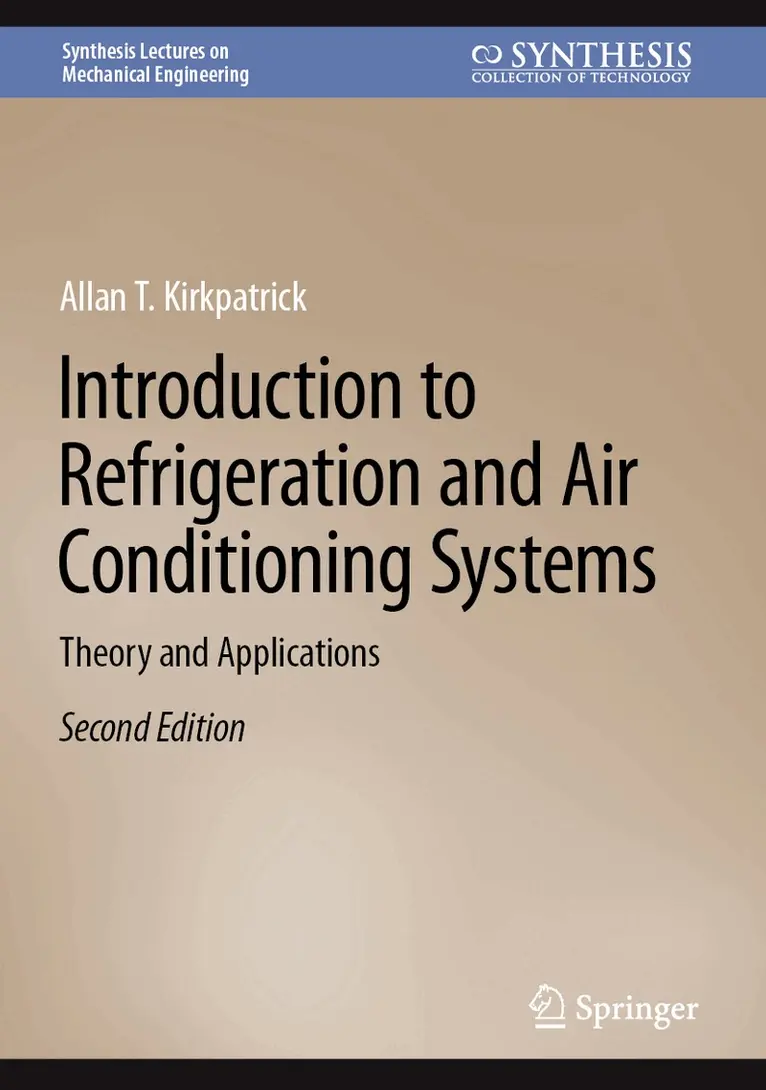
This second edition builds on the foundation established by the previous first edition published in 2017. The first edition covered background information, description, and analysis of four major cooling system technologies - vapor compression cooling, evaporative cooling, absorption cooling, and gas cooling. The second edition has been expanded to include increased coverage of cooling system refrigerants, fluid mechanics, heat transfer, and building cooling loads. With increasing climate change due to the buildup of greenhouse gas emissions in the atmosphere, there has been a worldwide impetus to transition to cooling systems and refrigerants that have a low or even zero global warming potential. The text is written as a tutorial for engineering students and practicing engineers who want to become more familiar with the performance of refrigeration and air conditioning systems. The goals are to familiarize the reader with cooling technology nomenclature and provide insight into how refrigeration and air conditioning systems can be modeled and analyzed. Emphasis is placed on constructing idealized thermodynamic cycles to represent actual physical situations in cooling systems. The book contains numerous practical examples to show how one can calculate the performance of cooling system components. By becoming familiar with the analyses presented in the examples, one can gain a feel for representative values of the various thermal and mechanical parameters that characterize cooling systems.
648 kr
Skickas inom 5-8 vardagar
657 kr
Skickas inom 10-15 vardagar
889 kr
Tillfälligt slut