Allan V. Horwitz - Böcker
Visar alla böcker från författaren Allan V. Horwitz. Handla med fri frakt och snabb leverans.
15 produkter
15 produkter
352 kr
Skickas inom 7-10 vardagar
A comprehensive history of PTSD.Post-traumatic stress disorder—and its predecessor diagnoses, including soldier’s heart, railroad spine, and shell shock—was recognized as a psychiatric disorder in the latter part of the nineteenth century. The psychic impacts of train crashes, wars, and sexual shocks among children first drew psychiatric attention. Later, enormous numbers of soldiers suffering from battlefield traumas returned from the world wars. It was not until the 1980s that PTSD became a formal diagnosis, in part to recognize the intense psychic suffering of Vietnam War veterans and women with trauma-related personality disorders. PTSD now occupies a dominant place in not only the mental health professions but also major social institutions and mainstream culture, making it the signature mental disorder of the early twenty-first century. In PTSD, Allan V. Horwitz traces the fluctuations in definitions of and responses to traumatic psychic conditions. Arguing that PTSD, perhaps more than any other diagnostic category, is a lens for showing major historical changes in conceptions of mental illness, he surveys the conditions most likely to produce traumas, the results of those traumas, and how to evaluate the claims of trauma victims. Illuminating a number of central issues about psychic disturbances more generally—including the relative importance of external stressors and internal vulnerabilities in causing mental illness, the benefits and costs of mental illness labels, and the influence of gender on expressions of mental disturbance—PTSD is a compact yet comprehensive survey. The book will appeal to diverse audiences, including the educated public, students across the psychological and social sciences, and trauma victims who are interested in socio-historical approaches to their condition.Praise for Allan V. Horwitz’s Anxiety: A Short History“The definitive overview of the history of anxiety.”—Bulletin of the History of Medicine“A lucid, erudite and brisk intellectual history driven by a clear and persuasive central argument.”—Social History of Medicine“An enlightening tour of anxiety, set at a sensible pace, with an exceptional scholar and writer leading the way.”—Library Journal
1 623 kr
Skickas inom 5-8 vardagar
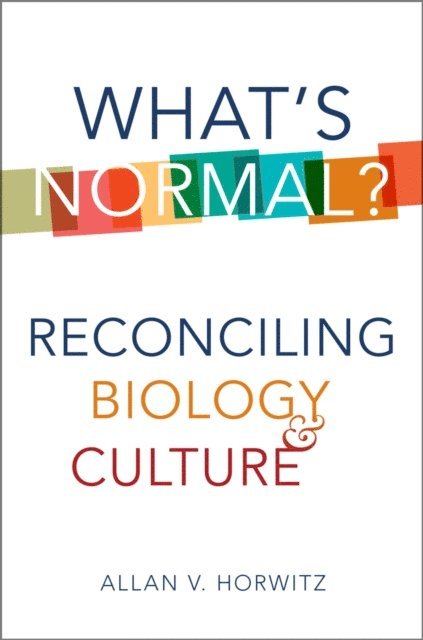
Since the emergence of Western philosophy and science among the classical Greeks, debates have raged over the relative significance of biology and culture on an individual's behavior. Today, recent advances in genetics and biological science have pushed most scholars past the tired nature vs. nurture debate to examine the ways in which the natural and the social interact to influence human behavior. In What's Normal?, Allan Horwitz brings a fresh approach to this emerging perspective. Rather than try to solve these issues universally, Horwitz demonstrates that both social and biological mechanisms have varying degrees of influence in different situations. Through case studies of human universals such as incest aversion, fear, appetite, grief, and sex, Horwitz first discusses the extreme instances where biology determines behavior, where culture dominates, and where culture overrides basic biological instincts. He then details the variety of ways in which genes and environments interact; for instance, the primal drive to eat and store calories when food supplies were scarce and behavioral patterns in a society where food is abundant and obesity stigmatized. Now that it's often easier to change our biology rather than our culture, an understanding of which behaviors and traits are simply normal or abnormal, and which are pathological or necesitate treatment is more important than ever. Wide-ranging and accessible, What's Normal? provides a crucial guide to the biological and social bases of human behavior at the heart of these matters.
370 kr
Skickas inom 5-8 vardagar
Since the emergence of Western philosophy and science among the classical Greeks, debates have raged over the relative significance of biology and culture on an individual's behavior. Today, recent advances in genetics and biological science have pushed most scholars past the tired nature vs. nurture debate to examine the ways in which the natural and the social interact to influence human behavior. In What's Normal?, Allan Horwitz brings a fresh approach to this emerging perspective. Rather than try to solve these issues universally, Horwitz demonstrates that both social and biological mechanisms have varying degrees of influence in different situations. Through case studies of human universals such as incest aversion, fear, appetite, grief, and sex, Horwitz first discusses the extreme instances where biology determines behavior, where culture dominates, and where culture overrides basic biological instincts. He then details the variety of ways in which genes and environments interact; for instance, the primal drive to eat and store calories when food supplies were scarce and behavioral patterns in a society where food is abundant and obesity stigmatized. Now that it's often easier to change our biology rather than our culture, an understanding of which behaviors and traits are simply normal or abnormal, and which are pathological or necesitate treatment is more important than ever. Wide-ranging and accessible, What's Normal? provides a crucial guide to the biological and social bases of human behavior at the heart of these matters.
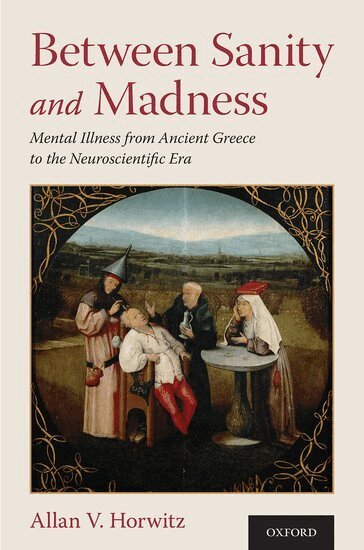
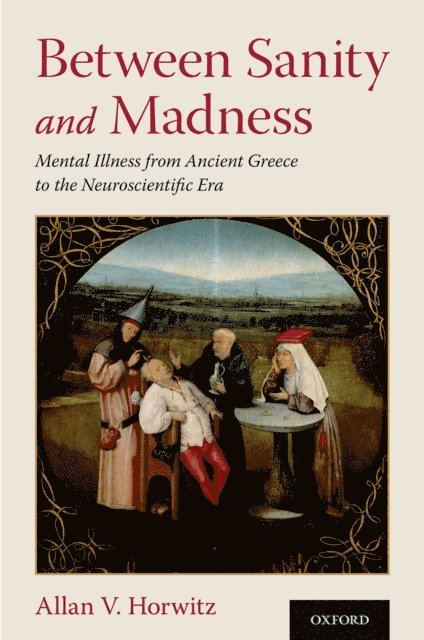
Between Sanity and Madness
Mental Illness from Ancient Greece to the Neuroscientific Era
Inbunden, Engelska, 2020
589 kr
Skickas inom 5-8 vardagar
Between Sanity and Madness: Mental Illness from Ancient Greece to the Neuroscientific Era examines several perennial issues about mental illness: how different societies have distinguished mental disorders from normality; whether mental illnesses are similar to or different from organic conditions; and the ways in which different eras conceive of the causes of mental disorder. It begins with the earliest depictions of mental illness in Ancient Greek literature, philosophy, and medicine and concludes with the portrayals found in modern neuroscience. In contrast to the tremendous advances other branches of medicine display in answering questions about the nature, causes, and treatments of physical diseases, current psychiatric knowledge about what qualities of madness distinguish it from sanity, the resemblance of mental and physical pathologies, and the kinds of factors that lead people to become mentally ill does not show any steady growth or, arguably, much progress. The immense recent technological advances in brain science have not yet led to corresponding improvements in understandings of and explanations for mental illnesses. These perplexing phenomena remain almost as mysterious now as they were millennia ago.
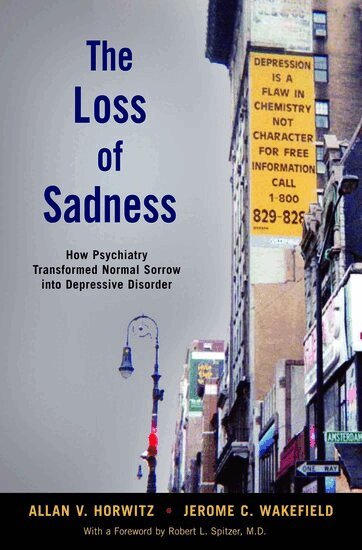
The Loss of Sadness
How psychiatry transformed normal sorrow into depressive disorder
Inbunden, Engelska, 2007
518 kr
Skickas inom 5-8 vardagar
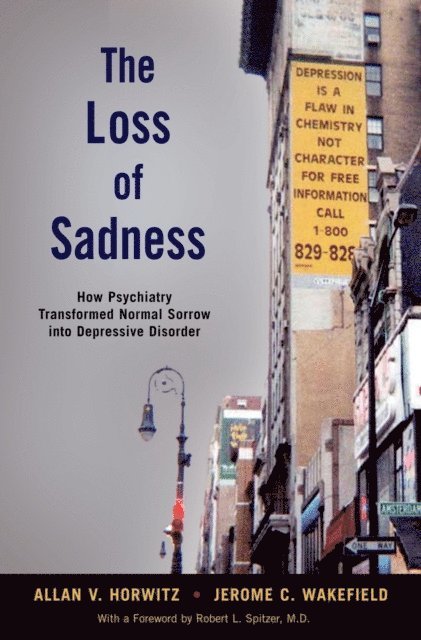
The Loss of Sadness argues that the increased prevalence of major depressive disorder is due not to a genuine rise in mental disease, but to the way that normal human sadness has been 'pathologised' since 1980. That year saw the publication of the landmark third edition of The Diagnostic and Statistical Manual of Mental Disorders (DSM-III), which has since become a dominant force behind our current understanding of mental illness overall. As concerns at least major depression, the authors argue that the DSM's definition of the condition is too broad and that as a result virtually all research and clinical approaches to the condition have been based on a flawed understanding about it. The social, political, and scientific implications of this are far-reaching - from the overselling of antidepressants to treat ordinary sadness, as Big Pharma exploits the DSM for its own purposes; to intrusive and expensive depression screening programs at all levels of society, as well-meaning but misguided initiatives translate the DSM into simple terms to catch any whiff of depressive pathology in our midst; and funded research into the 'epidemic' of depression, which advances the field very litttle and the public even less. Ultimately, the definition of depression that is in operation today has formed the basis for an entire system of social control (e.g. community-wide screening initiatives, intrusive public health policy) that benefits psychiatry, primary care providers, and the pharmaceutical and insurance industries by turning everyone else into a potential consumer of services, needed or not. The authors do recognise that depression is a devastating illness that affects some people. Their chief concern is with the use of this diagnosis as a catch-all for anyone who has experienced sadness for more than a few weeks at a time. The result is a pointed yet nuanced critique of modern psychiatry that will stir controversy of the sort that will reacquaint us with sadness as a primary human emotion and that could productively influence the way that depression the actual illness is characterised in the future.
365 kr
Skickas inom 5-8 vardagar
Depression has become the single most commonly treated mental disorder, amid claims that one out of ten Americans suffer from this disorder every year and 25% succumb at some point in their lives. Warnings that depressive disorder is a leading cause of worldwide disability have been accompanied by a massive upsurge in the consumption of antidepressant medication, widespread screening for depression in clinics and schools, and a push to diagnose depression early, on the basis of just a few symptoms, in order to prevent more severe conditions from developing. In The Loss of Sadness, Allan V. Horwitz and Jerome C. Wakefield argue that, while depressive disorder certainly exists and can be a devastating condition warranting medical attention, the apparent epidemic in fact reflects the way the psychiatric profession has understood and reclassified normal human sadness as largely an abnormal experience. With the 1980 publication of the landmark third edition of the Diagnostic and Statistical Manual of Mental Disorders (DSM-III), mental health professionals began diagnosing depression based on symptoms-such as depressed mood, loss of appetite, and fatigue-that lasted for at least two weeks. This system is fundamentally flawed, the authors maintain, because it fails to take into account the context in which the symptoms occur. They stress the importance of distinguishing between abnormal reactions due to internal dysfunction and normal sadness brought on by external circumstances. Under the current DSM classification system, however, this distinction is impossible to make, so the expected emotional distress caused by upsetting events-for example, the loss of a job or the end of a relationship-could lead to a mistaken diagnosis of depressive disorder. Indeed, it is this very mistake that lies at the root of the presumed epidemic of major depression in our midst. In telling the story behind this phenomenon, the authors draw on the 2,500-year history of writing about depression, including studies in both the medical and social sciences, to demonstrate why the DSM's diagnosis is so flawed. They also explore why it has achieved almost unshakable currency despite its limitations. Framed within an evolutionary account of human health and disease, The Loss of Sadness presents a fascinating dissection of depression as both a normal and disordered human emotion and a sweeping critique of current psychiatric diagnostic practices. The result is a potent challenge to the diagnostic revolution that began almost thirty years ago in psychiatry and a provocative analysis of one of the most significant mental health issues today.
809 kr
Skickas inom 7-10 vardagar
In this critique of modern psychiatry, Allan V. Horwitz examines conceptions of mental illness as a disease. Presenting case studies in maladies, he examines the major causes and treatments of mental illness, paying special attention to the use of pharmaceuticals.
275 kr
Skickas inom 7-10 vardagar
In this timely and provocative critique of modern psychiatry, Allan V. Horwitz examines current conceptions of mental illness as a disease. He argues that this notion fits only a small number of serious psychological conditions, and that most conditions currently regarded as mental illness are cultural constructions, normal reactions to stressful social circumstances, or simply forms of deviant behavior. According to Horwitz, the formulation of mental illness as disease benefits various interest groups, including mental health researchers and clinicians, prescriptive drug manufacturers, and mental health advocacy groups, all of whom promote disease-based models. Presenting case studies in maladies such as hysteria, multiple personality disorder, and depression, he examines the major causes and treatments of mental illness, paying special attention to the use of pharmaceuticals. While biologically based causes and treatments fit some of the entities formulated, Horwitz finds that more often than not, social responses offer far more suitable remedies.
441 kr
Skickas inom 7-10 vardagar
In Diagnosis, Therapy, and Evidence, Gerald N. Grob and Allan V. Horwitz employ historical and contemporary data and case studies, combining into one book a variety of medical and psychiatric conditions. They utilize case studies and examine tonsillectomy, cancer, heart disease, PTSD, anxiety, and depression, and identify differences between rhetoric and reality and the weaknesses in diagnosis and treatment
659 kr
Skickas inom 5-8 vardagar
In this book Allan Horwitz views mental illness within a sociological framework of deviance and social control and evaluates communal and individualistic styles of therapeutic control. His new prologue updates the work in the context of significant changes in the American response to mental illness, including the process of psychiatric diagnosis, conceptions of mental illness, and the dynamics of the mental health professions. Originally published by Academic Press in 1982. From the Prologue to the Percheron Press Edition . . . '[A new] system [of social control] based on less coercive and more voluntary therapy has crystallized as trends toward individualism have intensified. The social structures that characterize the remainder of this century, and the accompanying social responses to mental illness that arise, remain to be seen.'
342 kr
Skickas inom 7-10 vardagar
More people today report feeling anxious than ever before-even while living in relatively safe and prosperous modern societies. Almost one in five people experiences an anxiety disorder each year, and more than a quarter of the population admits to an anxiety condition at some point in their lives. Here Allan V. Horwitz, a sociologist of mental illness and mental health, narrates how this condition has been experienced, understood, and treated through the ages-from Hippocrates, through Freud, to today. Anxiety is rooted in an ancient part of the brain, and our ability to be anxious is inherited from species far more ancient than humans. Anxiety is often adaptive: it enables us to respond to threats. But when normal fear yields to what psychiatry categorizes as anxiety disorders, it becomes maladaptive. As Horwitz explores the history and multiple identities of anxiety-melancholia, nerves, neuroses, phobias, and so on-it becomes clear that every age has had its own anxieties and that culture plays a role in shaping how anxiety is expressed.
408 kr
Skickas inom 7-10 vardagar
The first comprehensive history of "psychiatry's bible"—the Diagnostic and Statistical Manual of Mental Disorders.Over the past seventy years, the Diagnostic and Statistical Manual of Mental Disorders, or DSM, has evolved from a virtually unknown and little-used pamphlet to an imposing and comprehensive compendium of mental disorder. Its nearly 300 conditions have become the touchstones for the diagnoses that patients receive, students are taught, researchers study, insurers reimburse, and drug companies promote. Although the manual is portrayed as an authoritative corpus of psychiatric knowledge, it is a product of intense political conflicts, dissension, and factionalism. The manual results from struggles among psychiatric researchers and clinicians, different mental health professions, and a variety of patient, familial, feminist, gay, and veterans' interest groups. The DSM is fundamentally a social document that both reflects and shapes the professional, economic, and cultural forces associated with its use.In DSM, Allan V. Horwitz examines how the manual, known colloquially as "psychiatry's bible," has been at the center of thinking about mental health in the United States since its original publication in 1952. The first book to examine its entire history, this volume draws on both archival sources and the literature on modern psychiatry to show how the history of the DSM is more a story of the growing social importance of psychiatric diagnoses than of increasing knowledge about the nature of mental disorder. Despite attempts to replace it, Horwitz argues that the DSM persists because its diagnostic entities are closely intertwined with too many interests that benefit from them. This comprehensive treatment should appeal to not only specialists but also anyone who is interested in how diagnoses of mental illness have evolved over the past seven decades—from unwanted and often imposed labels to resources that lead to valued mental health treatments and social services.
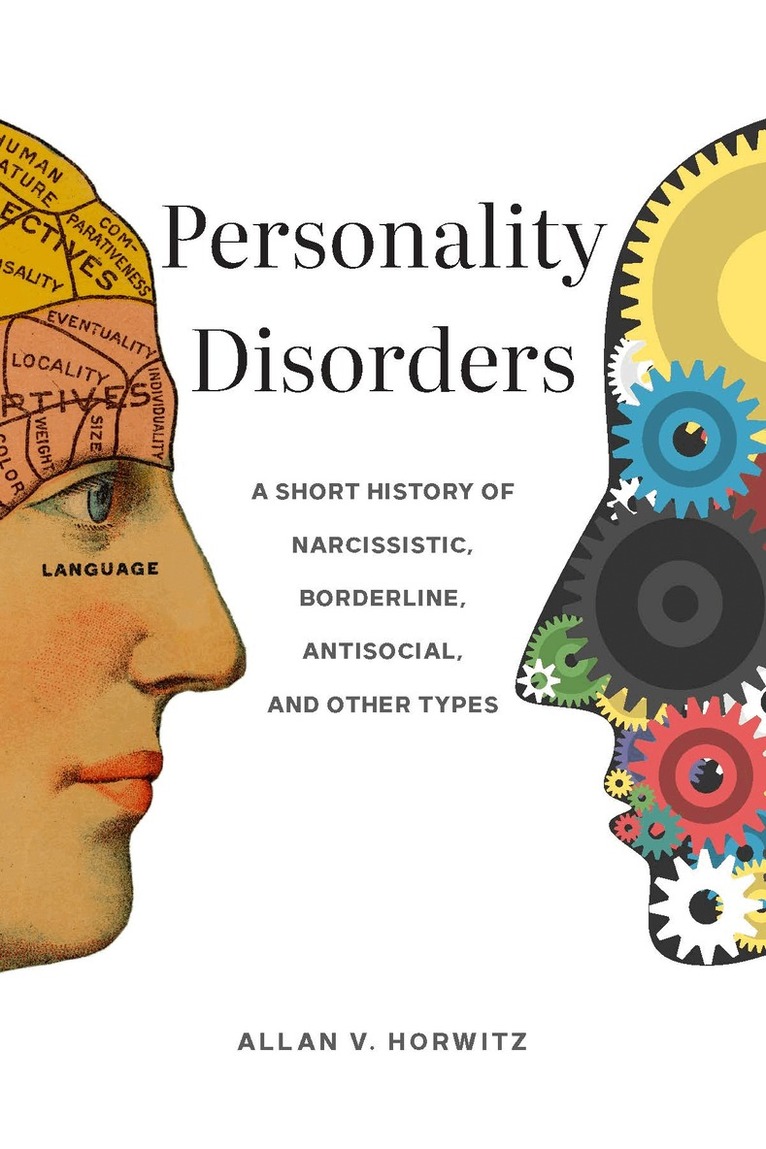
Personality Disorders
A Short History of Narcissistic, Borderline, Antisocial, and Other Types
Inbunden, Engelska, 2023
376 kr
Skickas
The fascinating and controversial history of personality disorders.The concept of personality disorders rose to prominence in the early twentieth century and has consistently caused controversy among psychiatrists, psychologists, and social scientists. In Personality Disorders, Allan V. Horwitz traces the evolution of defining these disorders and the historical dilemmas of attempting to mold them into traditional medical conceptions of disorder. Using the Diagnostic and Statistical Manual of Mental Disorders, or DSM, as a guide, Horwitz explores the group of conditions that make up personality disorders and considers when they have been tied to or separated from other types of mental illnesses. He also examines how these disorders have often entailed negative moral and cultural evaluations more focused on perceived social deviance than on actual medical conditions. Deep conflicts exist in a variety of disciplines in determining the nature of these disorders. During the twentieth century, a particularly sharp division arose between researchers who study personality disorders and the clinicians who treat them. Because researchers strive to develop general laws and clinicians attempt to understand individuals' specific problems, their values, methods, and goals often conflict. Synthesizing historical and contemporary scholarship, Horwitz examines controversies over the definitions and diagnoses of personality disorders and how the perception of these illnesses has changed over time.
427 kr
Kommande
How evolution and culture have historically shaped our understanding of human behavior.Evolutionary explanations of human behavior have been perennial sources of contention ever since they originated over 150 years ago. In Darwin's Descendants, Allan V. Horwitz traces the debates that began with Darwin's earliest critics and shows how similar tensions animate conversations in classrooms, laboratories, and public culture today.Rather than treating biological and sociocultural explanations as rival camps, Horwitz examines how each perspective highlights different aspects of the traits, instincts, and norms that shape human life. Through vivid cases that reveal the interplay of inherited predispositions and cultural forces, he shows how instincts such as incest avoidance and emotional expression are behaviors with deep evolutionary roots. Other patterns, including the cultural celebration of courage or the dramatic decline in fertility across modern societies, reveal moments when social values outpace biological tendencies. Still others, such as widespread obesity or contemporary expectations around physical attractiveness, emerge from intricate mismatches between ancient adaptations and twenty-first-century environments. Across these examples, Horwitz shows how conflicts over human evolution have continually reflected concerns about morality, politics, gender, and identity.Darwin's Descendants explains why evolutionary frameworks attract both enthusiastic supporters and sharp detractors, and why questions about nature and culture remain so charged more than a century and a half after the publication of On the Origin of Species. Horwitz presents a compelling account of how biological and cultural explanations converge and diverge as we seek to understand ourselves.
Den förlorade sorgsenheten : hur psykiatrin förvandlade normal sorg till en depressiv störning
Inbunden, Svenska, 2010
193 kr
Skickas
Den nutida epidemin av depressionsdiagnoser grundar sig i den psykiatriska professionens klassificering av normal sorg som onormal sjukdom. Författarna hävdar att diagnossystemet enligt DSM är bristfälligt eftersom det inte tar hänsyn till det sammanhang där symptomen uppstått och inte ger någon möjlighet att skilja ut depressiv störning från normala reaktioner på traumatiska livsomständigheter. naturliga reaktioner på förlust av arbete, dödsfall i familjen, skilsmässa eller andra separationer blir btetraktade som depressiv sjukdom. I DEN FÖRLORADE SORGSENHETEN ges bakgrunden till detta fenomen genom grundlig analys av bla. medicinsk, sociologisk och antropologisk forskning De undersöker också varför diagnossystemet har kommit att få en sådan spridning trots dess uppenbara bristewr och felslut.