Amelie Theussen – författare
Visar alla böcker från författaren Amelie Theussen. Handla med fri frakt och snabb leverans.
4 produkter
4 produkter
Häftad, Engelska, 2021
592 kr
Skickas inom 10-15 vardagar
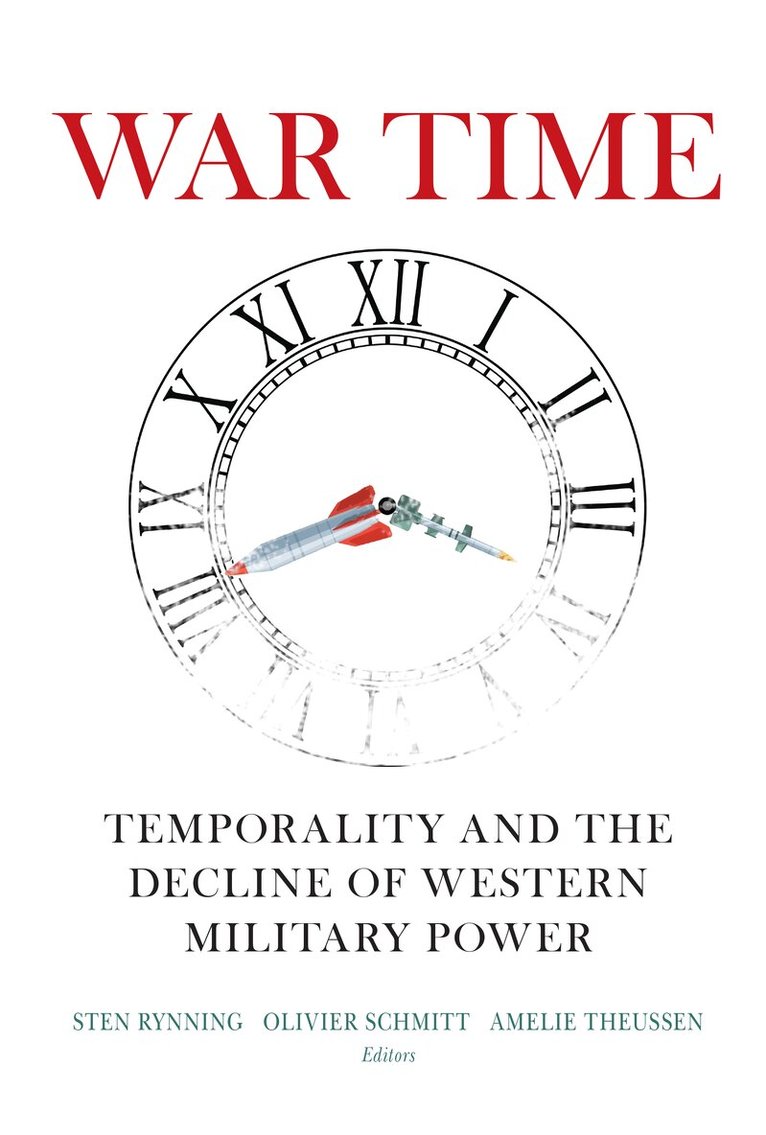
Perceptions of time contributed to recent Western military failingsThe decline of the West is once again a frequent topic of speculation. Often cited as one element of the alleged decline is the succession of prolonged and unsuccessful warsmost notably those waged in recent decades by the United States. This book by three Danish military experts examines not only the validity of the speculation but also asks why the West, particularly its military effectiveness, might be perceived as in decline.Temporality is the central concept linking a series of structural fractures that leave the West seemingly muscle-bound: overwhelmingly powerful in technology and military might but strategically fragile. This temporality, the authors say, is composed of three interrelated dimensions: trajectories, perceptions, and pace.First, Western societies to tend view time as a linear trajectory, focusing mostly on recent and current events and leading to the framing of history as a story of rise and decline. The authors examine whether the inevitable fall already has happened, is underway, or is still in the future.Perceptions of time also vary across cultures and periods, shaping socio-political activities, including warfare. The enemy, for example, can be perceived as belong to another time (being backward or barbarian). And war can be seen either as cyclical or exceptional, helping frame the public's willingness to accept its violent and tragic consequences.The pace of war is another factor shaping policies and actions. Western societies emphasize speed: the shorter the war the better, even if the long-term result is unsuccessful. Ironically, one of the Western world's least successful wars also has been America's longest, in Afghanistan.This unique book is thus a critical assessment of the evolution and future of Western military power. It contributes much-needed insight into the potential for the West's political and institutional renewal.
E-bok
Engelska, 2021628 kr
Läs direkt efter köp
Perceptions of time contributed to recent Western military failingsThe decline of the West is once again a frequent topic of speculation. Often cited as one element of the alleged decline is the succession of prolonged and unsuccessful warsmost notably those waged in recent decades by the United States. This book by three Danish military experts examines not only the validity of the speculation but also asks why the West, particularly its military effectiveness, might be perceived as in decline.Temporality is the central concept linking a series of structural fractures that leave the West seemingly muscle-bound: overwhelmingly powerful in technology and military might but strategically fragile. This temporality, the authors say, is composed of three interrelated dimensions: trajectories, perceptions, and pace.First, Western societies to tend view time as a linear trajectory, focusing mostly on recent and current events and leading to the framing of history as a story of rise and decline. The authors examine whether the inevitable fall already has happened, is underway, or is still in the future.Perceptions of time also vary across cultures and periods, shaping socio-political activities, including warfare. The enemy, for example, can be perceived as belong to another time (being backward or barbarian). And war can be seen either as cyclical or exceptional, helping frame the public''s willingness to accept its violent and tragic consequences.The pace of war is another factor shaping policies and actions. Western societies emphasize speed: the shorter the war the better, even if the long-term result is unsuccessful. Ironically, one of the Western world''s least successful wars also has been America''s longest, in Afghanistan.This unique book is thus a critical assessment of the evolution and future of Western military power. It contributes much-needed insight into the potential for the West''s political and institutional renewal.
Inbunden, Engelska, 2026
1 292 kr
Skickas inom 10-15 vardagar
1 538 kr
Läs direkt efter köp
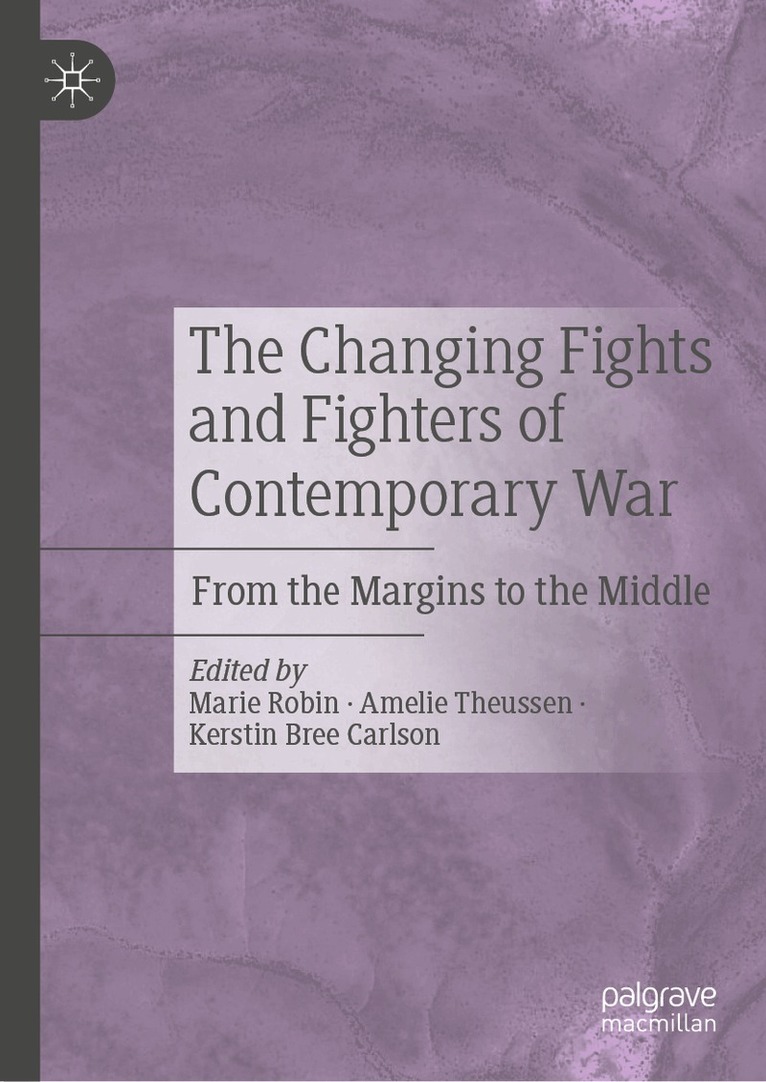
This interdisciplinary volume examines how movement between the margins and mainstream of warfare is impacting contemporary conflict. Actors, battlefields, and practices traditionally considered within the margins of war – such as propagandists, and private companies – have increasingly found themselves at the centre of conflicts, while traditional practices, actors, and locations of war – such as geographically bounded battlefields and uniform clad soldiers engaging their enemy in direct battle – have become increasingly marginalized. Anchored in the war studies tradition with its prudent, multidisciplinary approach, this volume offers a fresh conceptual frame for an overdue investigation into how the changing practices in contemporary wars permit us to reevaluate our understandings of fighters and battlefields.