Šumit Ganguly - Böcker
Visar alla böcker från författaren Šumit Ganguly. Handla med fri frakt och snabb leverans.
6 produkter
6 produkter
305 kr
Skickas inom 7-10 vardagar
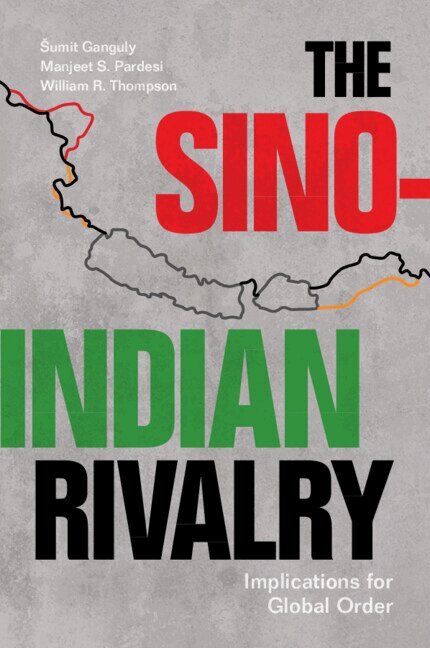
Drawing on a wide body of literature on international rivalries, this comprehensive and theoretically grounded work explains the origins and evolution of the Sino-Indian rivalry. Contrary to popular belief, the authors argue that the Sino-Indian rivalry started almost immediately after the emergence of the two countries in the global arena. They demonstrate how the rivalry has systemic implications for both Asia and the global order, intertwining the positional and spatial dimensions that lie at the heart of the Sino-Indian relationship. Showing how this rivalry has evolved from the late 1940s to the present day, the essays in this collection underscore its significance for global politics and highlight how the asymmetries between India and China have the potential to escalate conflict in the future.
784 kr
Skickas inom 7-10 vardagar
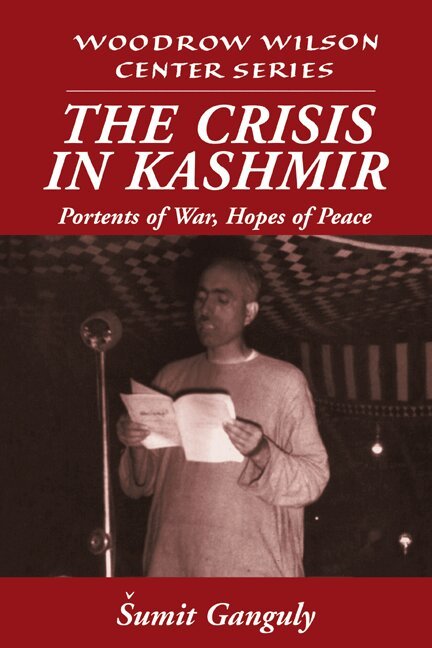
This book traces the origins of the insurgency that has wracked the Indian-controlled portion (about two-thirds) of Jammu and Kashmir since 1989. The most complete, and the first theoretically grounded account, it is based on extensive interviews. Professor Ganguly's central argument is that the insurgency can be explained by the interlinked processes of political mobilisation and institutional decay. In an attempt to woo the citizens of India's only Muslim-majority state, the national government dramatically helped expand literacy, mass media, and higher education in Jammu and Kashmir. These processes produced a generation of Kashmiris who were politically knowledgeable and sophisticated. Simultaneously, the national government in New Delhi, fearful of potential secessionist proclivities amongst the Kashmiris, systematically stultified the development of political institutions in the state. Unable to express dissent in an institutional context, this new generation of Kashmiris resorted to violence.
415 kr
Skickas inom 7-10 vardagar
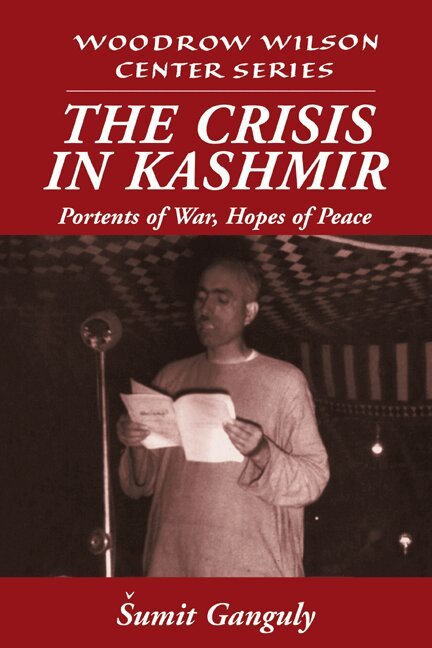
This book traces the origins of the insurgency that has wracked the Indian-controlled portion (about two-thirds) of Jammu and Kashmir since 1989. The most complete, and the first theoretically grounded account, it is based on extensive interviews. Professor Ganguly's central argument is that the insurgency can be explained by the interlinked processes of political mobilisation and institutional decay. In an attempt to woo the citizens of India's only Muslim-majority state, the national government dramatically helped expand literacy, mass media, and higher education in Jammu and Kashmir. These processes produced a generation of Kashmiris who were politically knowledgeable and sophisticated. Simultaneously, the national government in New Delhi, fearful of potential secessionist proclivities amongst the Kashmiris, systematically stultified the development of political institutions in the state. Unable to express dissent in an institutional context, this new generation of Kashmiris resorted to violence.
956 kr
Skickas inom 7-10 vardagar
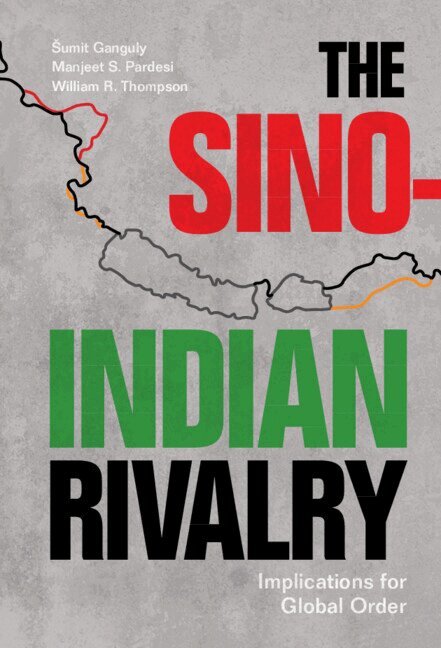
Drawing on a wide body of literature on international rivalries, this comprehensive and theoretically grounded work explains the origins and evolution of the Sino-Indian rivalry. Contrary to popular belief, the authors argue that the Sino-Indian rivalry started almost immediately after the emergence of the two countries in the global arena. They demonstrate how the rivalry has systemic implications for both Asia and the global order, intertwining the positional and spatial dimensions that lie at the heart of the Sino-Indian relationship. Showing how this rivalry has evolved from the late 1940s to the present day, the essays in this collection underscore its significance for global politics and highlight how the asymmetries between India and China have the potential to escalate conflict in the future.
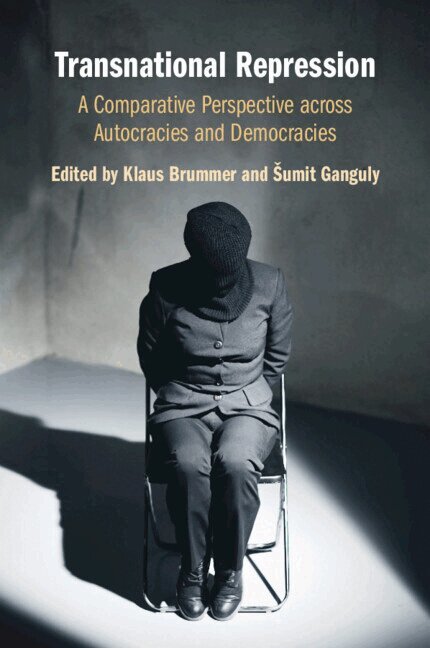
Transnational Repression
A Comparative Perspective Across Autocracies and Democracies
Häftad, Engelska, 2026
549 kr
Kommande
Transnational repression, understood as the extraterritorial repressive actions by states against members of their national community abroad, has become a global phenomenon. Several trends and developments, including cross-border migration, technological advances, and democratic backsliding, suggest that acts of transnational repression are likely to increase further in the future. Importantly, transnational repression is not exclusively driven by autocracies: liberal states also contribute to those challenges when they question the legitimacy of international institutions or when they engage in outright acts of transnational repression themselves. Covering more than a dozen countries from both the Global North and the Global South, this volume explores transnational repression along three dimensions. First, what are the motives for states to engage in transnational repression (the 'why')? Second, what instruments and tactics do states employ when engaging in acts of transnational repression (the 'how')? Third, what are the implications and consequences of transnational repression (the 'so what')?
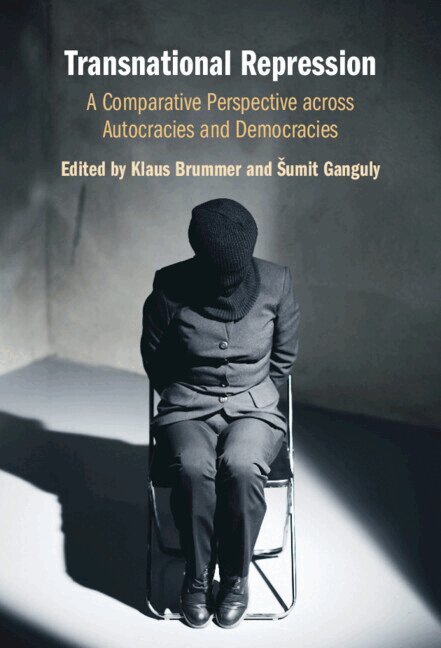
Transnational Repression
A Comparative Perspective Across Autocracies and Democracies
Inbunden, Engelska, 2026
1 498 kr
Kommande
Transnational repression, understood as the extraterritorial repressive actions by states against members of their national community abroad, has become a global phenomenon. Several trends and developments, including cross-border migration, technological advances, and democratic backsliding, suggest that acts of transnational repression are likely to increase further in the future. Importantly, transnational repression is not exclusively driven by autocracies: liberal states also contribute to those challenges when they question the legitimacy of international institutions or when they engage in outright acts of transnational repression themselves. Covering more than a dozen countries from both the Global North and the Global South, this volume explores transnational repression along three dimensions. First, what are the motives for states to engage in transnational repression (the 'why')? Second, what instruments and tactics do states employ when engaging in acts of transnational repression (the 'how')? Third, what are the implications and consequences of transnational repression (the 'so what')?